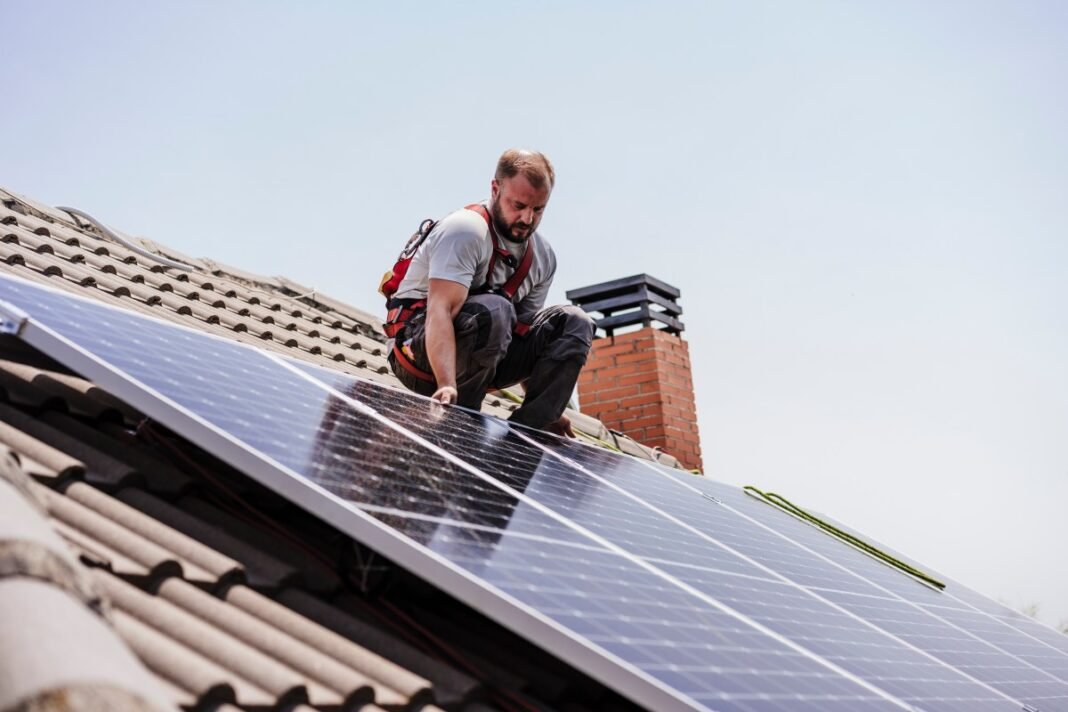
Australia’s Groundbreaking Initiative to Provide Complimentary Solar Electricity
Transforming Energy Consumption Through Solar Innovation
Over the last ten years, australia has experienced an exceptional increase in solar panel adoption, establishing itself as a frontrunner in renewable energy integration globally. This surge is now delivering direct advantages to electricity users across multiple regions.
The Solar Sharing Scheme: Daily Free Electricity for Residents
Launching in July 2026, a new government-backed program will offer residents of New South Wales, South australia, and southeastern Queensland up to three hours of free electricity each day. This innovative scheme aims to democratize solar power access by enabling individuals without personal rooftop installations-such as those living in apartments-to benefit from shared solar energy through advanced smart meter systems.
Mechanics Behind the Program: Leveraging Smart Technology During Peak Sunlight
The initiative incentivizes consumers to align their electricity use with peak sunlight periods, typically between 11 a.m. and 2 p.m., when solar output reaches its maximum. Participants can optimize clean energy consumption by scheduling smart devices-like electric vehicle chargers or dishwashers-to operate during these midday hours, thereby easing demand on the grid during evening times dominated by fossil fuel generation.
Enhancing Grid Efficiency and Reducing Storage Demands
This deliberate shift in power usage not only cuts costs for consumers but also mitigates stress on Australia’s electrical network. By decreasing reliance on coal and gas plants during nighttime peaks-when generation is costlier-the program helps synchronize supply with renewable production cycles. Furthermore, it diminishes dependence on expensive large-scale battery storage solutions deployed nationwide to handle surplus solar energy.
A Comparative Outlook: International Experiments with Renewable Incentives
While Australia’s approach stands out as one of the first consistent programs offering scheduled free electricity tied directly to renewable peaks, other countries have trialed similar concepts. For example, Octopus Energy in the UK occasionally provides complimentary power via its Agile tariff during periods of excess wind or solar generation; however, these events are irregular rather than guaranteed daily benefits like those planned for Australia.
The Economics Driving Widespread Rooftop Solar Adoption
The affordability of installing rooftop photovoltaic systems considerably fuels this transition within Australia. With average installation expenses around $840 USD per kilowatt before subsidies-a cost approximately 33% lower than typical U.S rates-over one-third of Australian households now own their own panels.This extensive penetration generates considerable midday surplus energy that communities can collectively share.
A Natural Advantage: Abundant Sunshine Accelerating Renewable Expansion
Australia’s geographic position offers exceptional sunlight exposure comparable to renowned high-solar regions such as southern Europe or the American Southwest. Although most installations cluster near urban centers receiving moderate sun levels akin to parts of europe or North America, expanding distributed solar capacity promises meaningful reductions in regional electricity costs worldwide.
“By empowering Australians everywhere-not just homeowners-to access clean power during peak production windows, we are advancing toward a fairer and more lasting energy future.”
- Main Advantages:
- No need for individual rooftop panels;
- Aims at cutting fossil fuel use during peak demand;
- Lowers grid management expenses by reducing battery storage requirements;
- Fosters community engagement in green energy consumption.
Paving the Way Forward: Insights from Australia’s Renewable Strategy
This trailblazing policy highlights how governments can harness emerging technologies like smart meters combined with abundant natural resources such as sunlight to sustainably transform national electricity markets. As millions prepare to benefit starting mid-2026 from this model’s rollout across key states-and global observers watch closely-it may inspire similar initiatives worldwide aimed at providing accessible clean power without financial barriers anytime it is available.