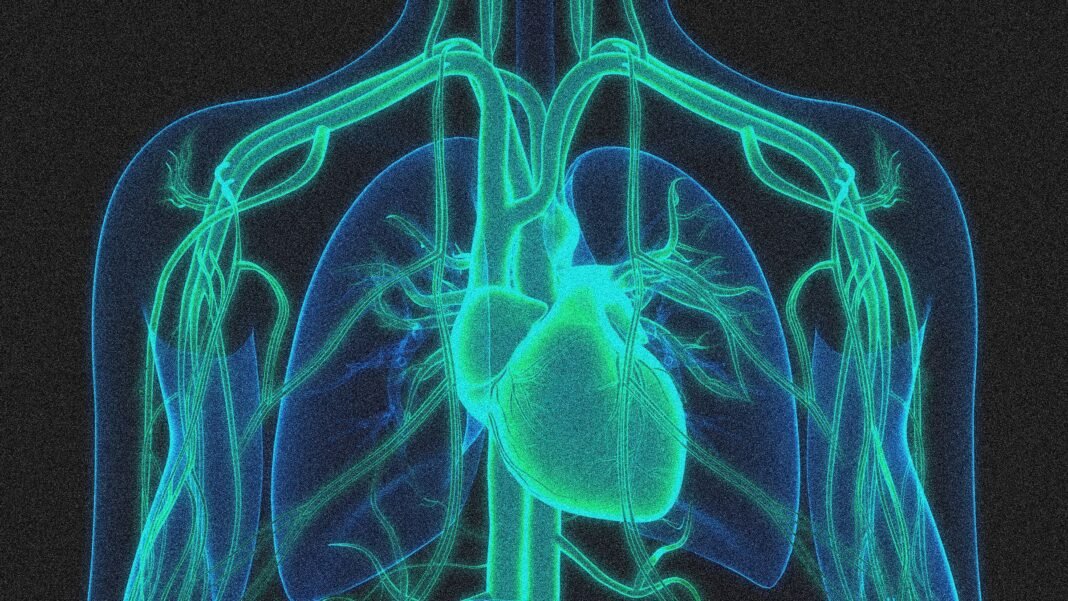
Gene Editing Breakthroughs: A New Frontier in Managing High Cholesterol
Innovative gene Therapy Transforming Cardiovascular Treatment
Recent advancements in gene editing have unveiled a groundbreaking method to address elevated cholesterol levels, signaling a major leap forward in cardiovascular medicine. Utilizing Crispr technology, scientists are now able to selectively disable specific genes within the liver, offering new hope for millions struggling wiht lipid disorders.
disabling ANGPTL3: A Cutting-Edge Strategy for Lipid Control
A pioneering clinical trial targeted the ANGPTL3 gene, which plays a crucial role in regulating blood lipids. By administering a single infusion designed to silence this gene in 15 participants’ livers, researchers sought to replicate naturally occurring genetic mutations known to lower heart disease risk without adverse effects. This approach mimics protective genetic variations found in certain populations that exhibit remarkably low cholesterol and triglyceride levels.
Notable Drops in LDL Cholesterol and Triglycerides Observed
The highest dose group experienced an average reduction of nearly 50% in both low-density lipoprotein (LDL) cholesterol-the primary contributor to arterial plaque-and triglycerides within just two weeks after treatment. These improvements remained stable throughout the 60-day monitoring period, highlighting the potential for durable lipid-lowering effects from this one-time intervention.
The Growing burden of Elevated Cholesterol Worldwide
Current epidemiological data reveal that approximately one-quarter of adults across developed nations suffer from high LDL cholesterol levels, with similar proportions exhibiting elevated triglycerides. These lipid abnormalities significantly increase risks for cardiovascular events such as heart attacks and strokes by promoting arterial inflammation and plaque accumulation.
Diverse Participant Profiles and Rigorous Trial Design
This Phase I study enrolled individuals aged between 31 and 68 years who had persistently high lipid readings despite conventional therapies. Conducted across multiple countries including Canada, Germany, and Japan during late 2024 through early 2025, each participant received an intravenous infusion lasting about two-and-a-half hours at varying dose intensities to evaluate safety and efficacy parameters.
A Balanced View on Safety Outcomes from Gene Editing Intervention
The majority tolerated the procedure well; mild side effects such as transient headaches or fatigue were manageable with standard care measures. One case involved temporary elevation of liver enzymes that resolved spontaneously without treatment-an crucial consideration given that off-target impacts on hepatic cells remain a key safety concern for genome-editing therapies focused on liver function.
“Patients facing chronic cardiovascular conditions often endure diminished quality of life,” noted an independent cardiology specialist involved with trial oversight. “Innovations like these could transform prognosis by addressing root causes rather than symptoms.”
A single fatality occurred among participants receiving the lowest dosage; though,it was attributed exclusively to pre-existing cardiac complications unrelated to the gene editing process itself.
Looking Ahead: Extended Monitoring and Expanded Clinical Trials Planned
The research team will continue tracking participants’ health over at least one year post-treatment while regulatory guidelines recommend surveillance extending up to fifteen years due to novel therapy considerations. Building upon these encouraging results,larger Phase II trials scheduled for late 2026 aim to enroll broader patient populations while assessing long-term benefits-possibly establishing whether single-dose treatments can replace daily medications or frequent injections permanently.
Evolving Gene Editing Techniques Targeting Cardiovascular Risk Genes
This breakthrough complements other promising approaches targeting genes like PCSK9, which also influence hereditary hypercholesterolemia risk profiles using advanced base editing methods-a refined form of Crispr enabling precise DNA alterations without causing double-strand breaks. Despite previous setbacks including temporary halts due to safety signals such as transient liver enzyme elevations reported last year by biotech firms developing similar therapies-ongoing refinements have yielded improved formulations showing encouraging early patient outcomes recently reviewed by experts.
Navigating Challenges While Unlocking Therapeutic Potential
liver toxicity remains among primary concerns since many genome-editing interventions focus on hepatocytes responsible for metabolizing lipids; incidents prompting paused trials following serious adverse events underscore continued vigilance is essential before widespread clinical adoption can be safely realized.
“We stand at the cusp of a medical revolution,” a leading cardiologist remarked regarding future prospects where preventive genetic interventions might halt heart disease advancement entirely rather of merely managing its consequences.
Pioneering Future Care: The Promise of Crispr-Based Therapies Against Heart Disease
If ongoing studies confirm sustained efficacy alongside favorable safety profiles observed so far,Crispr-driven treatments could fundamentally reshape cardiovascular prevention strategies-transitioning from lifelong pharmacotherapy toward potentially curative one-time solutions tailored precisely at molecular mechanisms underlying high cholesterol worldwide.