Guillermo Del Toro’s Netflix Adaptation: A Bold Reimagining of Mary Shelley’s Frankenstein
Guillermo Del Toro’s Frankenstein on Netflix reinvents the classic tale by Mary Shelley, introducing daring narrative changes that have ignited lively discussions among audiences and critics.
A Reinterpreted Backstory: Victor Frankenstein’s Dark Childhood
The film presents Victor Frankenstein (Oscar Isaac) as a gifted yet emotionally wounded man, shaped by an abusive father (Charles Dance) and the devastating loss of his mother due to medical negligence. This traumatic upbringing drives his relentless quest to defy death through science and profoundly affects his relationship with the creature he brings to life.
This portrayal diverges notably from Shelley’s original novel, where Victor grows up in a supportive family environment. While his mother dies young in the book, her passing is not marked by neglect; instead, victor’s obsession with creating life stems from intellectual curiosity about natural philosophy rather than personal trauma.
Moreover, unlike Del Toro’s depiction of mistreatment toward the monster, shelley’s narrative shows Victor abandoning his creation immediately after its animation-not out of cruelty but becuase he is horrified by its grotesque appearance.
The Creature’s Appearance: From Classic Horror Iconography to Poignant Elegance
The familiar image of Frankenstein’s monster-with a square head and visible stitches-originates from boris Karloff’s legendary 1931 film portrayal. This visual has dominated popular culture for nearly 100 years.
Del Toro reimagines this figure through jacob Elordi as a scarred being with bluish skin tones and pronounced brow ridges who eventually grows long hair, evoking an almost tragic romantic aura absent in earlier versions.
Shelley describes her creature quite differently: yellowed stretched skin contrasted against unnaturally white teeth set within blackened lips and watery eyes. Notably, she never explicitly states that her creation is sewn together like a patchwork; instead hints suggest parts may be assembled from old bones while much flesh results from mysterious alchemical processes-a nuance often overlooked in adaptations.
The Enigmatic process Behind Creation
Shelley intentionally leaves much about how Victor animates life ambiguous. Unlike modern portrayals emphasizing grotesque stitching or electrical reanimation alone, the novel implies that Victor strives for an ideal human form but ends up producing something eerily uncanny-comparable to today’s unsettling AI-generated faces that mimic humanity imperfectly yet convincingly enough to provoke unease.
The Monster’s Moral Complexity: Innocent Victim or Threatening Force?
Del toro stays faithful to Shelley’s vision of an bright and reflective creature but emphasizes innocence-a wronged soul victimized both by society at large and especially by Victor himself. The film clearly casts Victor as antagonist responsible for their shared tragedies.
Shelley paints a more morally ambiguous picture; both creator and creation display flaws such as violence born from fear or selfishness. The original story refrains from clear heroes or villains, revealing darker deeds committed on both sides without simple judgment.
- Killing William: In Del Toro’s retelling William dies accidentally at the hands of the monster; whereas in Shelley’s text the creature deliberately murders william out of rage over rejection-and then cunningly frames Justine Moritz who suffers wrongful execution while Victor remains silent during her trial;
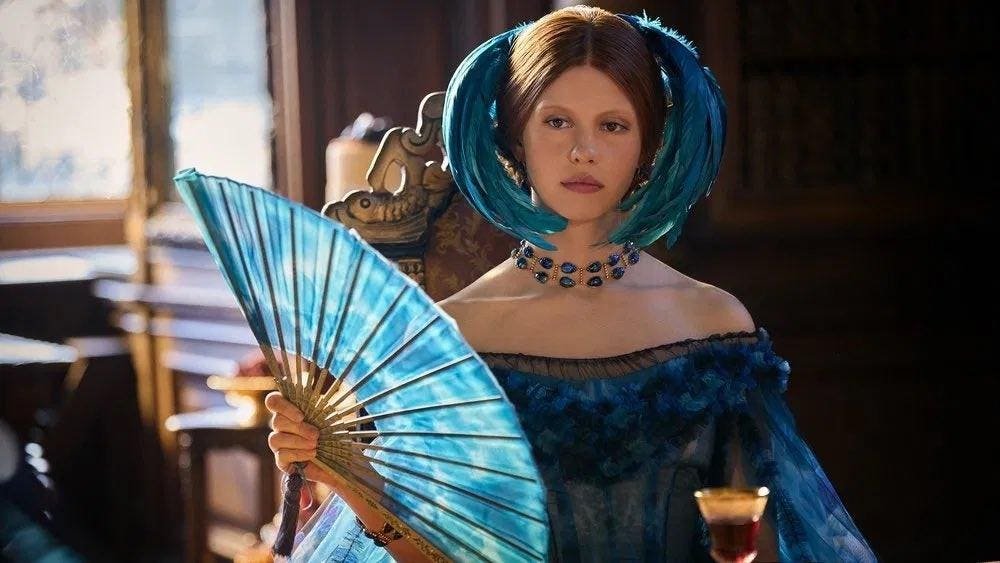
- Elizabeth’s Fate: Instead of being murdered coldly after broken promises-as depicted in Shelley-the Netflix version shows Elizabeth (mia Goth) tragically shot amid conflict between creator and creation. Their relationship also suggests mutual affection absent from most customary retellings where Elizabeth functions mainly as victim or symbol rather than love interest for the monster;
simplifying Psychological Depth into familial Dynamics
The movie streamlines complex emotional relationships into clearer roles resembling those between abusive parent (Victor) and innocent child (the monster), making themes more accessible for contemporary viewers but sacrificing some subtlety found in shelley’s layered exploration of obligation and alienation.
A Divergent Ending: Hopeful Redemption Versus Tragic Despair
- Cinematic Resolution: After moments filled with understanding before dying peacefully together-with Victor passing first-the creature performs one final selfless act before witnessing dawn break over humanity anew;
- Literary Conclusion: The novel closes on bitterness; though tired victor dies chasing vengeance across frozen wastelands while the remorseful monster laments its violent acts deeply-and vows self-immolation without any supernatural regeneration featured prominently in Del Toro’s version;
This alteration softens some darker aspects present within Shelley’s work while highlighting themes like empathy toward misunderstood beings-a motif increasingly prevalent across modern narratives featuring “monsters” seeking acceptance rather than destruction alone.
“Del Toro transforms Frankenstein into not merely a horror legend retold-but also a profound reflection on trauma passed down through generations.”