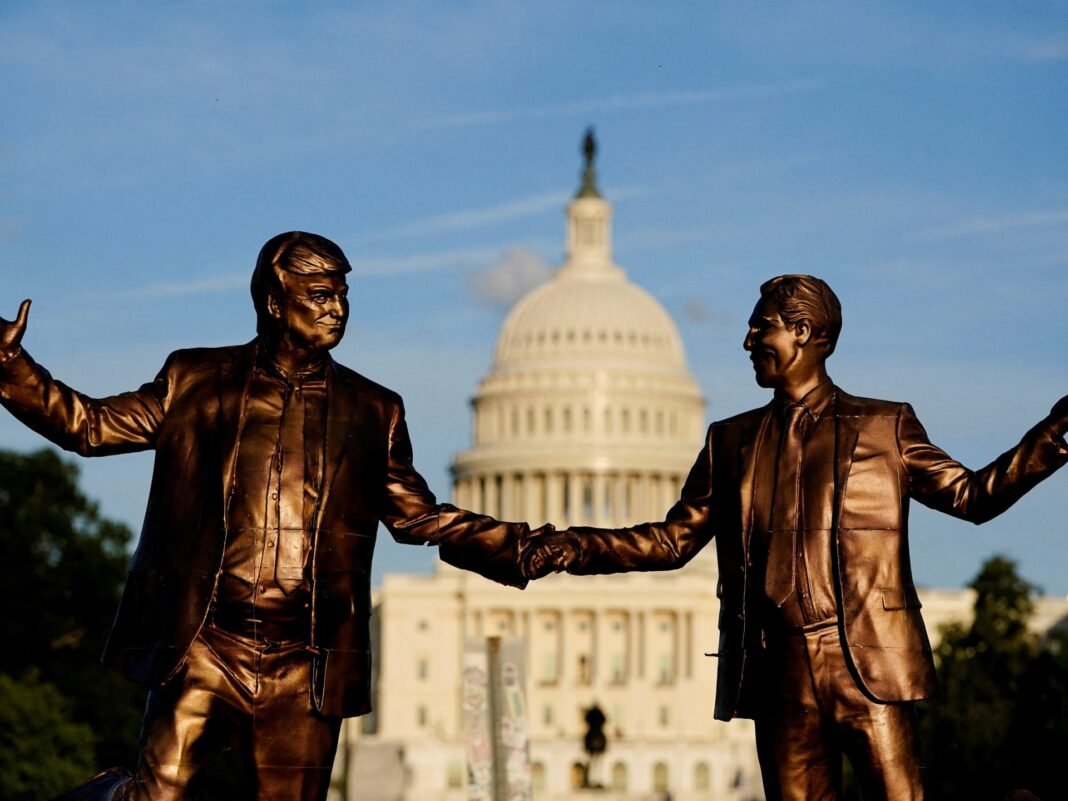
Unveiling the epstein Files: A Turning Point in Congressional Transparency
The U.S. House of Representatives has recently achieved a critical breakthrough in the push to make public documents related to convicted sex offender Jeffrey Epstein. On November 12, a bipartisan group of lawmakers gathered the required 218 signatures on a discharge petition, compelling the House to conduct a floor vote on legislation that demands these records be released within 30 days.
Despite this advancement, numerous obstacles still stand between advocates and full disclosure.
A Closer Examination of Jeffrey epstein’s History
Jeffrey Epstein was notorious for his ties to powerful individuals and benefited from unusually lenient legal treatment until investigative efforts exposed the breadth of his offenses.the initial investigation began in 2005 when allegations surfaced about sexual abuse involving minors at his palm Beach property. Even though initially charged wiht limited offenses in 2006, Epstein ultimately pled guilty in 2008 to state prostitution charges involving underage girls and served approximately one year under work-release conditions.
Subsequent investigative journalism uncovered how federal prosecutors and Epstein’s defense team concealed much of his criminal scope. In July 2019, federal authorities arrested him again on accusations that he ran an extensive sex trafficking operation targeting minors from 2002 through 2005 across several locations including New York City. his death by apparent suicide while detained ignited widespread controversy and intensified calls for deeper investigations.
The Scope and Disputes Surrounding the Epstein Files
The “Epstein files” consist of diverse materials held by federal agencies such as flight logs, communications records, investigative reports, prosecution files, and internal justice Department correspondence concerning both Epstein and Ghislaine Maxwell-who is currently serving a lengthy prison sentance for her involvement in exploiting minors over many years.
The trump administration offered conflicting accounts regarding what these documents contain. Early disclosures included heavily redacted evidence lists but excluded potentially sensitive facts about individuals linked to Epstein. While some officials asserted there was no incriminating “client list” or proof implicating others through blackmail or conspiracy theories, skepticism remains high among transparency advocates demanding full access.
Legislative Efforts: The Eppstein Files Transparency Act Explained
Championed by Representatives Thomas Massie and Ro Khanna, this bill requires all unclassified materials related to investigations into Jeffrey Epstein be publicly disclosed within one month after enactment by relevant federal bodies including FBI offices nationwide as well as Justice Department divisions.
- This encompasses travel documentation such as flight manifests;
- Papers referencing individuals or entities connected with Epstein;
- Records detailing prosecutorial decisions;
- And internal communications concerning case management or circumstances surrounding his death while incarcerated.
The law permits withholding or redacting information only when it involves protecting victims’ privacy; graphic descriptions of abuse; ongoing investigations; national security concerns; or risks during active prosecutions. Political sensitivity or reputational harm cannot serve as grounds for withholding any content.
Bipartisan Momentum Amidst Political Resistance
A major hurdle was securing enough signatures-218-to force consideration despite opposition from Republican leadership aligned with former President Donald Trump’s resistance toward further disclosures about matters tied to Jeffrey Epstein. the delayed seating of newly elected Representative Adelita Grijalva finally pushed supporters past this threshold after weeks stuck at just below majority support (217 votes).
- A handful of Republicans joined all Democrats signing onto this procedural move: Marjorie Taylor Greene (GA), Lauren Boebert (CO), Nancy mace (SC), along with Massie himself;
- This cross-party backing signals growing momentum even though Speaker Mike Johnson favors continued committee reviews over wholesale file releases;
- Tensions remain high as trump publicly urged Republicans via social media not to shift focus toward reopening government shutdown debates into unrelated issues like releasing more documents tied to Jeffrey Epstein;
If Enacted: Anticipated Next Steps
If passed during the House floor vote scheduled shortly after November 17,the bill would then advance to Senate consideration where it faces steeper challenges requiring supermajority approval (60 votes) due largely to partisan divides around transparency efforts closely linked with politically sensitive figures like Trump himself. Currently only four Republicans have openly supported advancing disclosure measures-far fewer than needed-making passage uncertain without critically important shifts within GOP ranks.
“The Senate majority leader has indicated little appetite among Republican senators for forcing additional disclosures absent strong bipartisan pressure,” experts observe.
If Congress successfully passes it,a presidential veto remains possible given Trump’s opposition-which would require two-thirds majorities in both chambers for override-a daunting prospect considering party loyalties involved.
The Broader Implications For Public Awareness and Accountability
This legislation could unlock vast amounts of previously inaccessible data illuminating not only Jeffrey Epstein’s network but also exposing systemic failures that allowed abuse over decades.an illustrative example comes from recent history where declassified CIA torture memos dramatically reshaped public understanding once fully released years after initial secrecy claims were challenged legislatively-demonstrating how transparency laws can transform narratives around government accountability.*
“Even if enacted into law,” legal analysts warn,
“actual implementation depends heavily upon Justice Department cooperation which may invoke broad exceptions limiting document release.”
- Court disputes over withheld content could indefinitely delay access;
- Lawsuits challenging redactions might stall progress amid complex jurisdictional questions;
- Differing interpretations regarding legitimate exemptions will likely arise between advocacy groups versus government agencies tasked with compliance.;
Future outlook on Government Openness Under The Eppstein Files Transparency Act
- Eppstein Files Transparency Act legislative process updates
- Eppstein files release timeline expectations
- Eppstein investigation document disclosure challenges