Montreal Clinic Champions Inclusive healthcare for Indigenous Populations
A groundbreaking health facility in Montreal is actively working to close the persistent healthcare gaps experienced by Indigenous communities. this initiative not only fills critical service voids but also aims to restore trust that has been damaged over many generations.
Enhancing Indigenous Health with Cultural Awareness
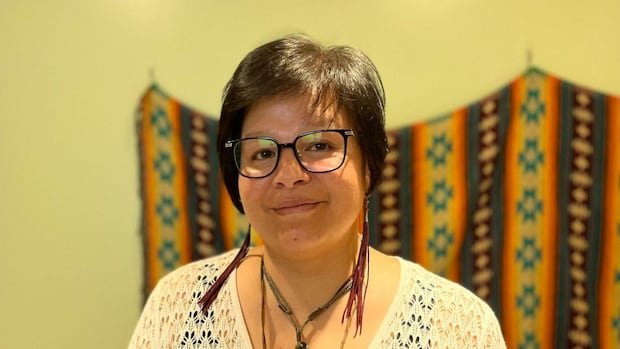
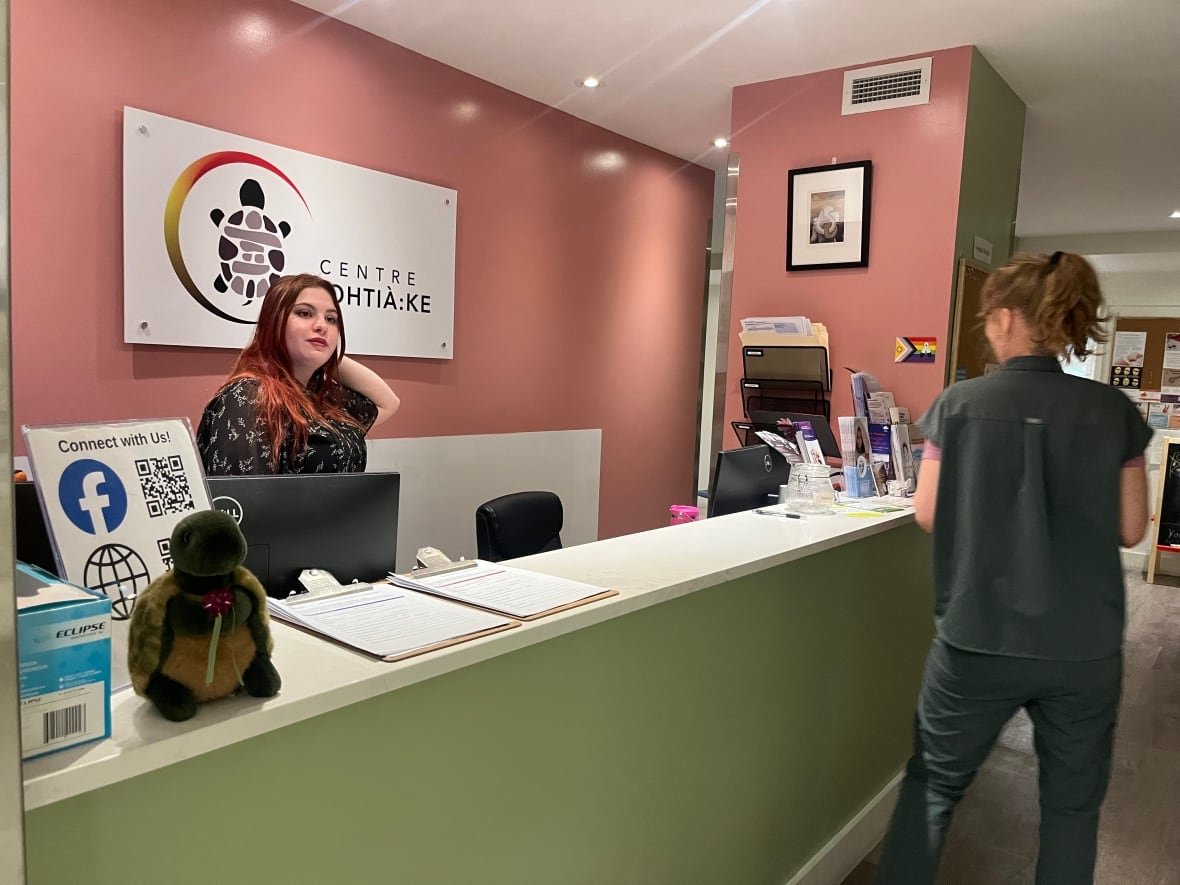
The Tio’tia:ke Indigenous Health Center, launched in 2023, has quickly broadened its scope to address a wide range of community health needs. Shirley Pien-Bérubé, a health navigator at the centre, highlights an array of services now offered including diabetic foot care, eye examinations, physiotherapy sessions, mental wellness support from clinical psychologists and addiction specialists, alongside traditional spiritual healing practices.
Visitors entering this welcoming space are greeted with culturally significant elements such as sage and sweetgrass used in smudging ceremonies or crafting medicine bundles-practices deeply rooted in many Indigenous traditions. The centre also provides care in several Indigenous languages like Inuktitut and Cree to foster comfort and accessibility.
confronting Historical Distrust Born from Systemic Inequities
Pien-Bérubé stresses her advocacy role for patients navigating complex healthcare systems historically tainted by discrimination. Recent statistics reveal that nearly one-fifth of Indigenous Canadians reported experiencing racism or unfair treatment by healthcare providers within the last year alone.
“For centuries our voices were silenced,” she reflects. “Now patients finally feel acknowledged and respected.”
A Sanctuary for Healing Rooted in Culture
The clinic’s culturally sensitive approach creates a safe environment where individuals can share their stories openly without fear of judgment-a stark contrast to many conventional medical settings where bias still lingers.
The Enduring Impact of Truth and Reconciliation on Health Equity
More then ten years after canada’s Truth and Reconciliation Commission (TRC) released its final report detailing the devastating effects residential schools had on indigenous wellbeing, glaring health disparities persist. For example:
- Infant mortality rates remain approximately 1.5 times higher than those among non-Indigenous populations;
- the prevalence of diabetes exceeds 17% within some communities;
- Certain regions report suicide rates up to five times greater than national averages.
- The TRC’s seven specific calls related to health emphasize increased funding for healing centres;
- Recognition and integration of traditional healing methods;
- A concerted effort toward eliminating systemic barriers affecting access and quality of care.
A Community-Led Initiative driving Change in Montreal
Fay Virginia Desjarlais oversees family violence prevention at Tio’tia:ke and notes that previous obstacles included feelings of insecurity caused by discrimination encountered at mainstream hospitals throughout montreal.
“Many felt unseen or judged,” she explains. “It took collaboration among elders, advocates, organizations-and most importantly listening-to build this space.”
Navigating Persistent Biases Within Healthcare Systems
Desjarlais shares her personal experience highlighting ongoing prejudice: despite carefully managing her diabetes, a doctor wrongly attributed symptoms solely to alcohol use before dismissing her after one missed appointment-an all-too-common example reflecting entrenched systemic biases today.
Lack of Unified Data Slows National Progress
An independent body tracking TRC call implementation reports uneven advancements; while some projects progress steadily-including four out of seven health-related calls-others have stalled due largely to limited government transparency around essential data needed for informed policymaking across jurisdictions nationwide.
“Without thorough data sharing between regions,” explains Douglas Sinclair from an indigenous oversight group,“it becomes impossible to develop effective strategies addressing these inequities.”
Culturally Tailored Treatment Facilities Emerging Across Northern Canada
Iqaluit is currently seeing construction underway on Aqqusariaq-a trauma-informed addictions treatment centre designed specifically for Inuit clients seeking culturally safe services delivered entirely in Inuktitut rather than being relocated south during recovery processes.
Kylie Aglukark from Nunavut Tunngavik Incorporated emphasizes,“Removing people from their language environment disrupts healing profoundly.”
Aglukark envisions expanding similar centres throughout Nunavut while concurrently developing Inuit-led workforces capable of delivering these vital services locally through:
- Culturally relevant programming;
- Linguistic accessibility;
- Sustainable community leadership roles fostering empowerment across generations;
Sustaining Progress Demands Long-term Investment & Commitment
Dr. Terri Aldred from the National Collaborating centre for Indigenous Health acknowledges moderate gains but stresses that scaling such initiatives remains essential:
“Clinics deeply rooted in traditional knowledge are reshaping relationships between providers and clients,” she states.“However meaningful change requires consistent funding ensuring sustainability beyond pilot stages.”
This transformative shift holds promise for rebuilding trust throughout healthcare systems long marred by neglect-ultimately advancing reconciliation through equitable access tailored respectfully toward all First Nations peoples’ unique needs worldwide today.