Decoding the Prime Minister’s Ethics Screen and Its Impact on Conflict of Interest Prevention
Introduction to the Ethics Screen Mechanism
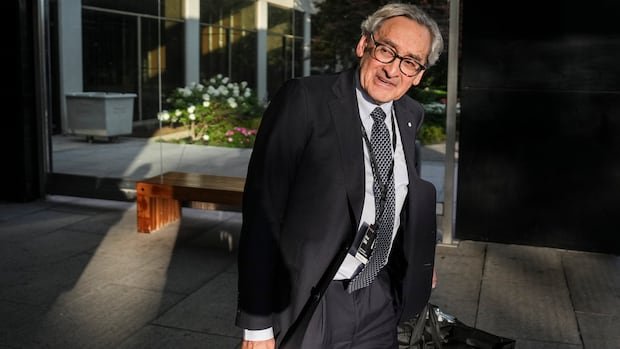
the role of Michael Sabia, Clerk of the Privy Council, is pivotal in ensuring that Prime Minister Mark Carney refrains from participating in decisions that could potentially benefit his personal financial portfolio. Sabia highlights that the ethics screen activates at even the slightest indication it might be necessary to avoid conflicts of interest.
This protective protocol was established after Carney fully disclosed his financial holdings to the federal ethics commissioner, who enforces compliance with the Conflict of Interest Act for government officials.The ethics screen acts as a barrier preventing carney from influencing governmental actions related to companies or assets he previously owned.
How Blind Trusts Safeguard Political Integrity
Following his election as party leader, Carney moved most of his investments-excluding some liquid cash and personal real estate-into a blind trust. This setup places an independent trustee in charge,allowing them to manage buying or selling assets without consulting Carney or revealing details about these transactions.
The purpose behind this arrangement is to remove any direct control or awareness over financial interests during his prime ministership. However, since all holdings were initially declared before creating this trust, an ethics screen remains essential for monitoring any lingering connections between government decisions and those pre-trust investments.
Extent and enforcement: Monitoring over 100 Companies
The scope of the ethics screen encompasses more than 100 corporations tied to Carney’s former investment portfolio. Consequently, he is prohibited from engaging in official matters where outcomes could advantage these entities throughout his term as prime minister.
Practical Applications and Outcomes
Sabia disclosed that since its implementation, the ethics screen has been applied thirteen times. Of these cases, seven were dismissed after determining no relevant link existed between government policies and disclosed companies; however, six instances led to active restrictions preventing Carney’s involvement in specific policy decisions.
Each invocation undergoes detailed consultation with the federal ethics commissioner to ensure full compliance. While ongoing cases remain confidential for privacy reasons, sabia pledged clarity regarding resolved matters when appropriate.
The Legal Backbone: Conflict Prevention Laws Explained
The Conflict of Interest Act sets forth explicit guidelines designed to prevent public officials from making choices that financially benefit themselves or close family members. It requires divestment or placement into blind trusts for “controlled assets,” including stocks and bonds vulnerable to influence by governmental policies.
This legislation applies not only to prime ministers but also cabinet ministers and parliamentary secretaries alike-promoting transparency across senior officials’ financial affairs during their tenure in office.
Diverse Perspectives on Asset Management Strategies
- Total Divestiture vs blind Trusts: Critics argue that simply transferring assets into blind trusts may not fully eliminate perceived conflicts; they advocate for complete asset divestment rather.
- Caution Against Excessive Regulation: Conversely, Sabia warns such stringent requirements might deter qualified professionals from pursuing political careers due to overly restrictive asset controls.
- A Need for Legislative Dialog: Ultimately revising conflict-of-interest rules depends on lawmakers balancing ethical standards with practical considerations around attracting talent.
An In-Depth Look at Key Assets Under Ethical Scrutiny
The screening process specifically includes major firms like Brookfield Asset Management-where Carney formerly served as board chair-and Stripe Inc., a fintech company where he held board membership prior entering politics.
An analysis shows that at divestment time alone, Carney possessed stock options valued near $6.8 million USD within Brookfield (based on recent regulatory filings), though market fluctuations continuously affect exact valuations today.
“Ensuring public trust demands vigilant oversight systems so leaders cannot exploit their positions for private advantage.”
Bigger Picture: Enhancing Transparency in Governance Worldwide
This scenario reflects broader challenges democracies face globally: how can governments attract experienced leaders from private sectors while maintaining integrity through robust conflict-of-interest safeguards?
- A Global Comparison: As an example, Australia enforces “blind management” rules requiring ministers’ portfolios be screened against personal investments monitored by independent commissioners.
- Evolving Accountability Standards: Heightened scrutiny over political finances worldwide has intensified post-pandemic economic recovery efforts spotlighting ethical governance more than ever before.
- Towards Strengthening Public Confidence: Transparent enforcement combined with clear communication about tools like ethics screens helps bolster citizens’ faith in democratic institutions managing complex intersections between wealth and power.