



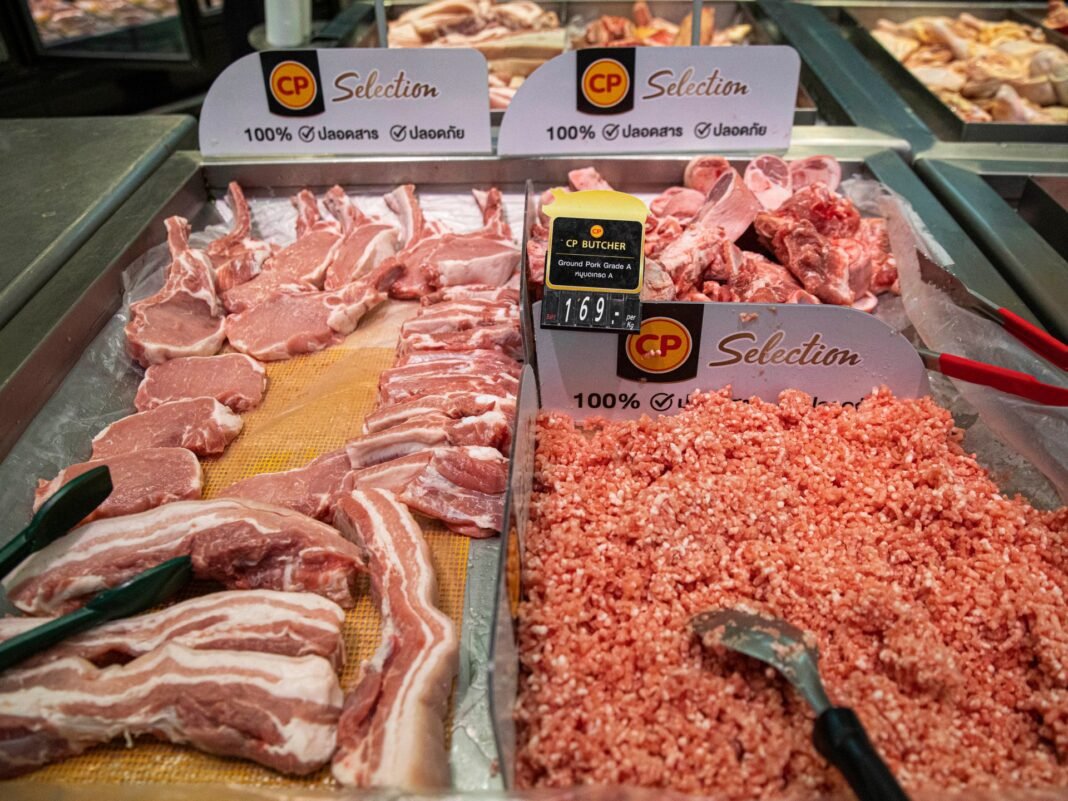
Thailand’s Pork Sector Confronts New Obstacles Amid Rising US Trade Influence
US Pork Imports Reshape Thailand’s Domestic Market Landscape
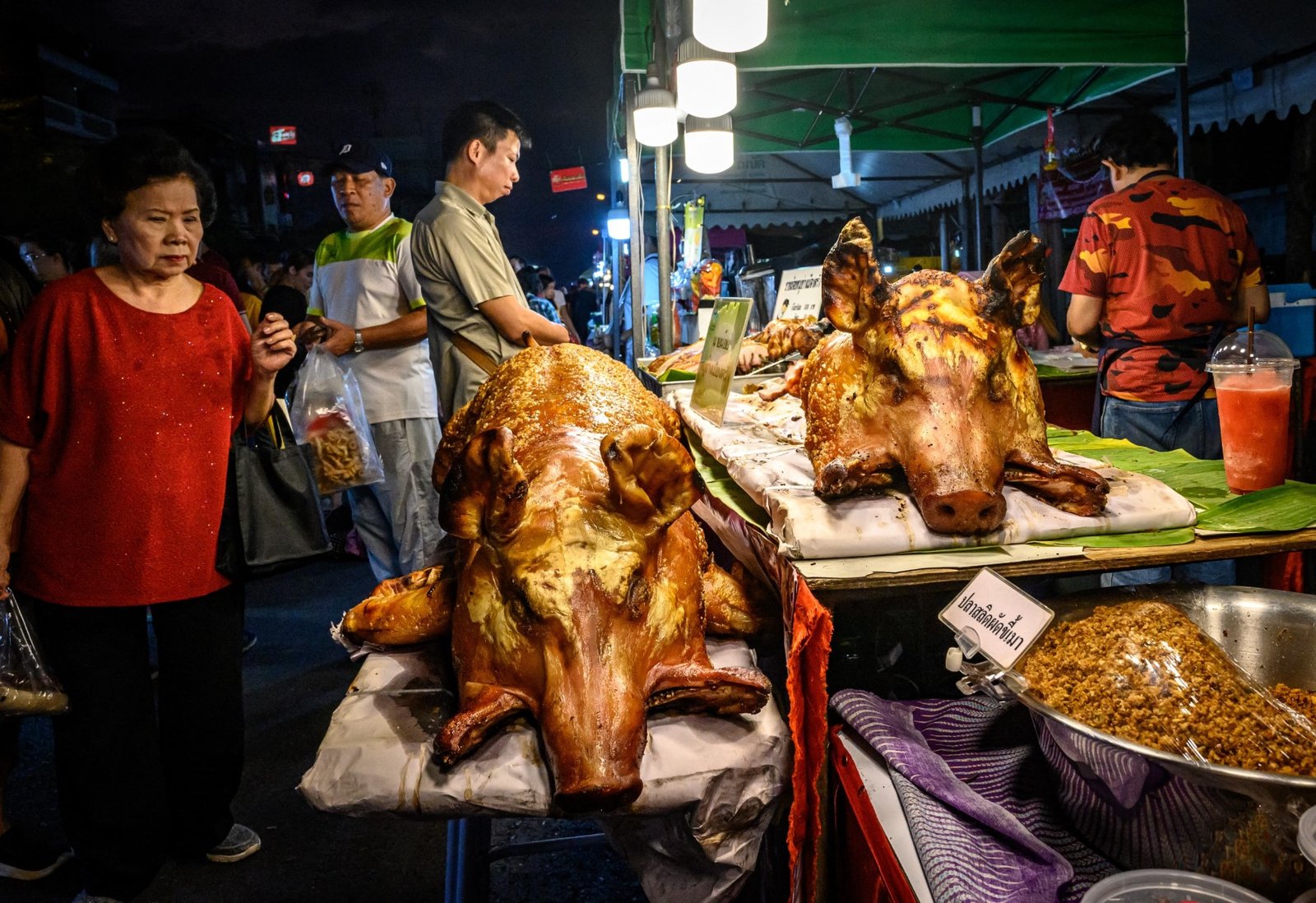
Pork holds a cherished place in Thai culinary traditions, featured in dishes ranging from aromatic slow-cooked stews infused with star anise too crispy fried treats and fiery minced preparations. This protein source supports a domestic industry valued at approximately $3.5 billion as of 2024, primarily sustained by local pig farmers scattered across rural provinces.
Yet, this vibrant market now faces intensified rivalry from the United States-the world’s third-largest pork producer-whose expansive industrial hog operations are increasingly targeting thailand with competitive pricing and large-scale exports.
Trade Negotiations: Agricultural Stakes and Market Access
The specifics of ongoing trade discussions between Thailand and the US remain largely undisclosed. However, it is evident that washington has proposed eliminating tariffs on over 10,000 products to narrow its $48 billion trade deficit with Thailand-a figure that continues to draw scrutiny from american policymakers aiming to bolster domestic producers’ global competitiveness.
This extensive tariff removal proposal encompasses critical agricultural goods such as pork, corn, soybeans, and select fruits-commodities integral not only to US export strategies but also deeply embedded within Thailand’s farming economy.
Conditions for Tariff Reductions: What Bangkok Must Consider
following high-level talks during recent ASEAN summits involving Thai leadership and US representatives, Washington outlined prerequisites for tariff concessions. These include commitments by Bangkok to dismantle non-tariff barriers obstructing American food imports and accelerate regulatory approvals for meat and poultry products entering Thai markets.
The Local Pig Farming Community voices Alarm
The prospect of duty-free access for subsidized American pork has sparked significant concern among Thai swine producers. Central among their worries is ractopamine-a growth-promoting feed additive widely used in the US but banned in many countries including Thailand-raising questions about consumer safety perceptions and regulatory compliance.
“If low-cost American pork enters our markets without tariffs,” cautions Somchai Phanichkul of the Thai Swine Farmers Association, “many local farms will face severe financial strain or be forced out of business entirely.”
This anxiety extends beyond pig farmers themselves; those cultivating feed crops like corn and soybeans-as well as suppliers providing animal nutrition products-anticipate economic repercussions throughout the entire supply chain if imports surge unchecked.
Evolving Agricultural Economics Under Global Pressure
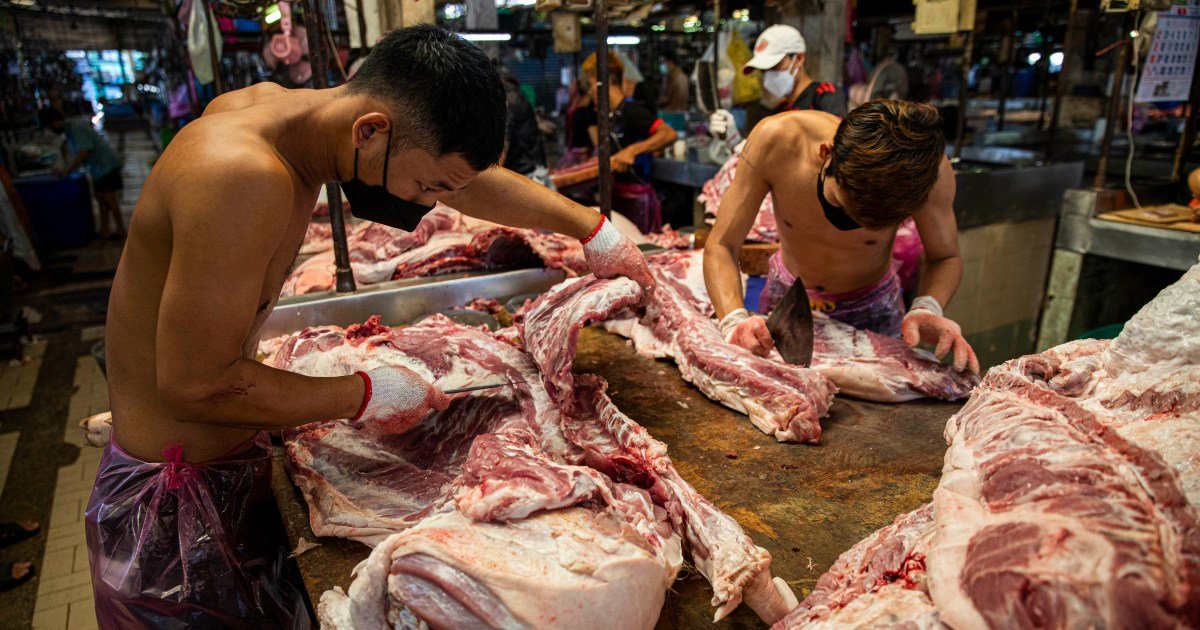
The cost dynamics for raising pigs domestically remain challenging due partly to government policies that maintain elevated prices on key feed ingredients such as corn-to protect influential crop-growing constituencies within rural areas. In contrast, economies of scale enable lower production costs in the United States where large-scale farming reduces input expenses considerably.
Corn Import Policy shifts Signal Major Changes Ahead
This year saw a landmark policy adjustment when Thai authorities announced plans to increase annual corn import quotas dramatically-from around 50,000 tonnes up to one million tonnes-and eliminate a 20 percent tariff on these imports. These moves appear designed partly to appease Washington amid ongoing negotiations but risk further pressuring local corn farmers already struggling against cheaper subsidized foreign competitors.
The Political Climate Surrounding Trade Decisions
Caretaker Prime Minister Anutin Charnvirakul faces mounting political pressure as he contemplates dissolving parliament or calling early elections while pursuing re-election efforts despite criticism accusing him of conceding too much ground prematurely during trade talks with Washington before securing comprehensive agreements.
Deteriorating Economic Outlook Adds Complexity
The National Economic Council recently revised down its GDP growth forecast for 2026 from an expected 1.9 percent expansion toward just 1.1 percent-the slowest rate among Southeast Asia’s major economies-highlighting growing economic headwinds that weaken Thailand’s bargaining position vis-à-vis international partners like the United States amid trade negotiations.
Diplomatic Strains Complicate Trade Discussions Further
Tensions between Thailand and Cambodia have introduced additional uncertainty after peace talks stalled over alleged treaty breaches by cambodia disrupted ceasefire arrangements indirectly linked with broader regional trade relations involving both nations’ dealings with Washington.
This geopolitical friction raises doubts about whether preferential access discussions will progress smoothly or face indefinite delays.
Meanwhile opposition groups urge caution: “Negotiations should be paused until thorough consultations occur,” says Kritsada Noppakun from the Farmers’ Alliance,“especially engaging stakeholders directly impacted such as smallholder corn growers.”
Midsize enterprises Experience Ripple Effects From Global Trade Shifts
- Sectors dependent on exports report declining demand due partly to resurging protectionist measures echoing Trump-era rhetoric worldwide;
- A mango exporter notes losing key clients after new tariffs imposed by Middle Eastern countries disrupted shipments destined ultimately for North American consumers;
- Sectors supplying components essential for manufacturing goods aimed at export markets experience downturns closely tied with evolving U.S.-Thailand commercial relations;
Navigating Future Challenges: Aligning Domestic Priorities With International Obligations
Tackling this multifaceted challenge demands balancing protection of customary industries vital for national food security alongside seizing opportunities presented through expanded global commerce agreements.
As neighboring countries like Vietnam, Malaysia, and Cambodia secure comprehensive free-trade deals granting them smoother entry into U.S. markets-with Vietnam alone increasing agricultural exports by over 15% last year-the pressure intensifies on Bangkok not only economically but politically-to ensure outcomes do not disproportionately harm its own farming communities.
Ultimately,the sustainabilityofThailand’spig industryandbroaderagriculturalsectordependsonthegovernmentcraftingpoliciesthatfairlyaddressbothmarketaccessanddomesticproducerprotectionwithoutcompromisingfoodstandardsorrurallivelihoodsincreasingglobalcompetitionpressure。

