The Expanding Impact of Korean Cosmetics in the U.S. Beauty Scene
From Niche to Necessity: The Rise of K-Beauty in America
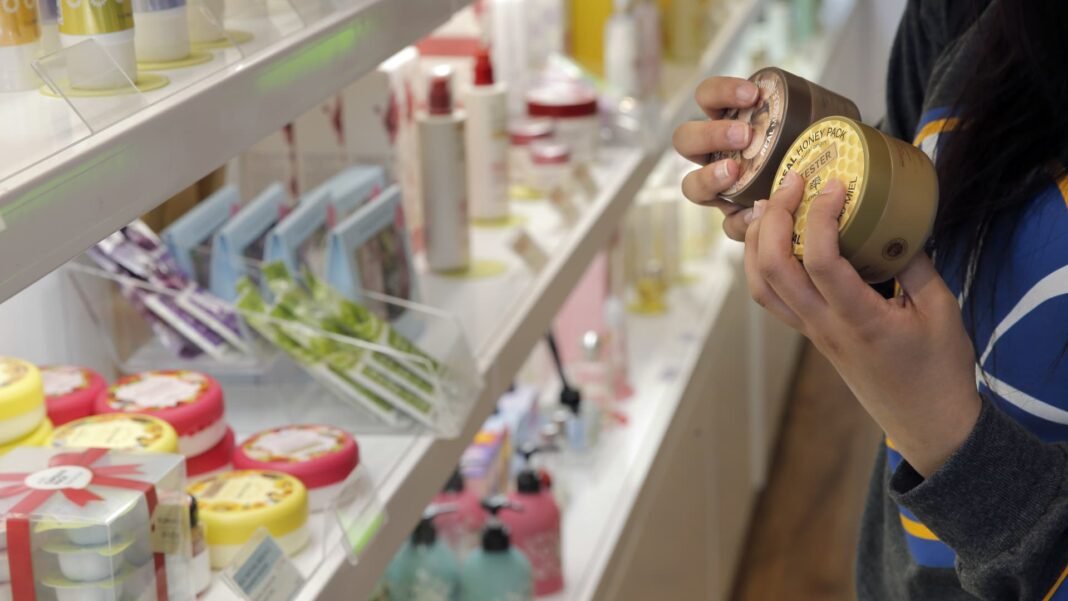
Across vibrant shopping districts throughout the United States,Korean beauty products-widely known as K-beauty-have evolved from specialty items into everyday essentials. consumers spanning generations now eagerly explore innovative skincare and makeup lines originating from South Korea. As a notable example, at a bustling Los Angeles mall, a young professional was spotted choosing Korean serums and sunscreens inspired by recommendations shared on her favorite TikTok creators’ channels.
This growing enthusiasm is evident everywhere: college students debate foundation shades popularized by viral videos,while parents seek out sunscreens endorsed by online beauty experts. The popularity of sheet masks and other K-beauty staples has led to frequent stock shortages nationwide.
Social Media’s Role in Accelerating Market Expansion
The surge in K-beauty sales in the United States is projected to surpass $2.5 billion by 2025, marking an impressive growth rate exceeding 40% year-over-year-far outpacing the broader cosmetics industry’s average increase of around 6%. This rapid expansion owes much to social platforms like TikTok and Instagram, where hashtags such as “K-beauty” garner over 300 million weekly views combined.
Younger demographics dominate this trend: Gen Z and millennials account for nearly 75% of K-beauty consumers, attracted by affordable yet effective products that blend gentle ingredients with eye-catching packaging designs. Viral product launches often sell out within hours before restocking can occur.
Broadening Horizons: Emerging Product Segments Within K-Beauty
While facial skincare remains the backbone of K-beauty’s U.S. market share, categories like hair care are witnessing accelerated adoption rates. Innovative hybrids such as tinted moisturizers with SPF protection or cushion compacts infused with nourishing serums continue gaining traction among buyers seeking multifunctional beauty solutions.
A Dynamic Retail Environment Embraces Korean Brands
The rising demand has ignited intense competition among leading retailers aiming to secure their slice of this booming sector. Ulta Beauty-with more than 1,400 locations nationwide-has introduced dedicated aisles spotlighting Korean brands alongside exclusive high-tech beauty gadgets available only at their stores.
Sephora follows closely behind with prominent displays featuring korean cosmetics at flagship outlets including Chicago’s Splendid Mile; they also secure exclusive product launches tailored for sensitive skin types within these collections.
Larger chains such as Target and Costco have significantly expanded their inventory too, adding essences, ampoules, and sheet masks amid surging consumer interest.
The Entry of Asian Specialty Retailers into American Markets
The competitive landscape intensifies further as Asian-focused retailers prepare new U.S.-based stores: Olive Young-the renowned “sephora of Seoul”-plans its inaugural New York City location next year; Sukoshi targets rapid growth across metropolitan areas like Denver and Atlanta with plans for over twenty outlets within twelve months.
“providing customers direct access where they can test products firsthand instead of waiting weeks for overseas shipping is vital,” explained Sukoshi’s CEO regarding this retail evolution.
Tackling Trade Barriers Amid Rising Popularity
This boom coincides with ongoing trade negotiations impacting import tariffs between South Korea and the United States. Although initial concerns suggested tariffs might sharply increase prices-prompting some shoppers earlier this year to stockpile favorites-the actual effect remained moderate due largely to manufacturers temporarily absorbing costs while optimizing supply chain logistics strategies.
A recent agreement lowered tariff rates from an initially proposed 25% down to 15%, alleviating some pressure but highlighting persistent complexities.“Despite tighter trading conditions compared to pre-tariff periods,” a key industry insider noted,“brands work hard not to transfer additional expenses onto American consumers.”
Cultural Phenomena Driving Interest Beyond Skincare Products
Korean cultural exports have surged globally-from global pop sensations like BLACKPINK expanding international fanbases-to hit streaming series showcasing modern Korean lifestyles-all contributing indirectly yet powerfully toward increased curiosity about related lifestyle elements including cosmetics.K-beauty’s second wave differentiates itself through inclusivity across diverse skin tones along with expanding offerings covering color makeup lines, scalp treatments, body care essentials,and fragrances heavily promoted via influencer campaigns primarily on TikTok platforms.
- The initial wave: Emerged during mid-2010s introducing trends such as “dewy skin,” multi-step routines involving fermented ingredients or cushion foundations mostly targeting lighter complexions through boutique shops or early online sellers;
- The current wave: Characterized by explosive viral adoption reaching millions weekly; brands now provide extensive shade ranges responding directly after community feedback;
“TikTok revolutionized how quickly innovations spread,” remarked a cosmetic marketing analyst.
“Consumers instantly discover textures & effectiveness while creators wield notable influence.”
A pan-American Trend Taking Hold Across Borders
This enthusiasm extends beyond U.S borders: surveys indicate approximately 63% of Canadian consumers recognize K-beauty’s appeal locally; Brazil reports nearly half its population acknowledging similar trends compared against roughly 47% among American respondents-highlighting regional differences yet consistent upward momentum overall according recent market analyses data sets.
Pioneering Innovation Fueled By Intense Domestic Competition in Korea
Korea’s highly competitive home market drives relentless innovation unmatched worldwide-with per capita spending on beauty products topping global charts last year-and more than triple licensed cosmetic vendors today compared against five years ago fueling continuous experimentation cycles producing hundreds of novel formulas rigorously tested before launching internationally alike Neogen’s vice president revealed insights showing clinical trials underpinning product progress focused squarely upon efficacy combined uniquely tailored ingredients rarely found elsewhere globally .
- An example includes biotechnology-derived components sourced from deep-sea algae believed promising for calming sensitive skin;
- Buzzworthy ingredients once niche (like propolis extract) helped smaller brands gain international recognition leading major conglomerates acquiring them-as seen when LG Household & Health Care purchased dr.Jart+ valued near $900 million;
“Artificial intelligence accelerates everything-from content creation through formula optimization enabling faster go-to-market timelines,” noted another expert involved closely within R&D teams emphasizing data-driven approaches dominating current innovation landscapes inside Korea’s dynamic ecosystem.”
Navigating Tomorrow’s Frontiers: what Awaits Next?
Industry observers expect even bolder breakthroughs ahead blending cutting-edge science & natural elements harmoniously alongside digital tools enhancing personalization capabilities further still . As consumer demands evolve rapidly , so will brand strategies adapting swiftly leveraging technology , social media influence ,and cross-cultural appeal ensuring < strong >K -beauty remains a dominant force shaping global skincare standards well beyond today .