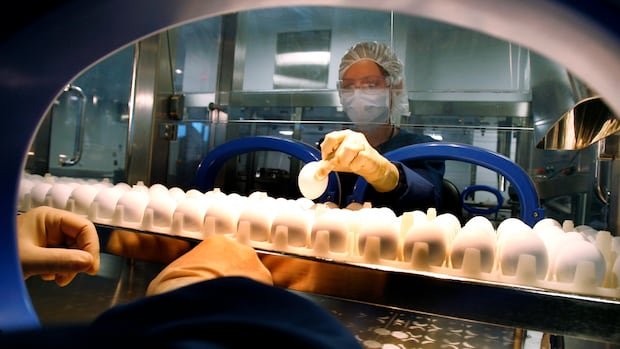
Advancements in Influenza Vaccine Development: Transitioning from egg-Based Production
For nearly a century, influenza vaccines have primarily been produced by cultivating viruses inside fertilized chicken eggs. Although this traditional method has played a vital role in flu prevention,modern research is shifting toward innovative vaccine technologies designed to improve both effectiveness and manufacturing speed.
Challenges Inherent to Egg-Based Flu Vaccines
The standard production technique requires injecting flu viruses into millions of eggs annually to generate sufficient viral material for vaccines.Despite its long-standing use since the 1940s, this approach faces importent drawbacks. one key problem is that growing human influenza viruses in avian cells ofen leads to genetic changes, causing the vaccine strains to differ slightly from those circulating among people.
This phenomenon can diminish the protective power of egg-based vaccines against rapidly mutating flu variants. Such as, during recent seasons such as 2017-2018 and 2021-2022, some egg-derived vaccines demonstrated lower efficacy due to these adaptations. Moreover, dependence on egg supplies and lengthy production timelines restrict manufacturers’ ability to quickly respond when new dominant strains emerge.
Global Strain Selection and Timing Constraints
Twice each year, an international committee reviews worldwide surveillance data to decide which influenza virus strains should be included in upcoming seasonal vaccines. This selection process occurs roughly six months before flu season starts-an interval necessary for producing egg-based vaccines but one that introduces risks if viral evolution outpaces manufacturing schedules.
The delay means that if novel or mutated strains arise after strain selection or during virus growth in eggs, the resulting vaccine may not fully protect against current infections. Given influenza’s contagious nature-frequently enough causing symptoms like fever, coughs, body aches-and its potential severity especially among elderly or immunocompromised individuals who face risks such as pneumonia or hospitalization, enhancing responsiveness remains critical.
The Rise of mRNA Vaccines: A new Frontier
A promising option gaining momentum is messenger RNA (mRNA) technology-the same platform behind many COVID-19 immunizations-which allows rapid design and manufacture without needing live virus cultivation in eggs or cell cultures.
A large-scale Phase 3 trial involving over 18,000 adults across several countries compared an mRNA-based influenza vaccine with a conventional egg-grown shot during the 2022-23 season. The study revealed that the mRNA vaccine achieved approximately 34% greater effectiveness, representing a notable advancement in preventing illness caused by circulating flu strains without relying on placebo controls for comparison.
Mild side effects such as fatigue and low-grade fever were more common following mRNA vaccination but generally resolved within two days-mirroring safety profiles observed globally during COVID-19 vaccination campaigns where hundreds of millions received these doses safely.
Building public Confidence Amid Widespread Misinformation
Despite robust scientific evidence supporting mRNA platforms’ advantages-including faster updates aligned with viral mutations-misinformation continues to challenge public acceptance. Transparent dialog addressing concerns while dispelling falsehoods is essential for encouraging widespread adoption of these next-generation vaccines moving forward.
Diverse Non-Egg Vaccine Alternatives: Cell-Based and Recombinant Approaches
Apart from mRNA options, other innovative methods bypass eggs entirely:
- Cell-Based Vaccines: These utilize mammalian cell cultures (such as Madin-Darby canine kidney cells) rather of avian eggs for virus propagation. This reduces mutation risks linked with adapting human viruses into bird cells and shortens production times somewhat compared with traditional techniques.
Currently available commercially in countries including Canada and parts of Europe; they offer improved strain matching but tend to be more expensive due partly to complex manufacturing processes. - Recombinant Protein Vaccines: Rather of growing whole viruses inside biological hosts like eggs or mammalian cells,a purified viral protein component is produced using insect cell cultures via recombinant DNA technology.
This method enables rapid scale-up when needed while eliminating live-virus handling altogether-a significant biosafety advantage during outbreaks requiring swift responses.
Pioneering Multi-Year Immunity through Novel Delivery Systems
Cutting-edge research teams are exploring inhalable aerosolized influenza vaccines aimed at eliciting stronger immune responses capable of lasting multiple seasons-a breakthrough perhaps reducing annual vaccination frequency significantly.
One experimental candidate under preclinical inquiry at McMaster University employs mucosal delivery through nasal sprays targeting respiratory tract immunity directly where infection initiates.
If accomplished through future clinical trials involving humans,aerosolized formulations could transform how seasonal epidemics-and even pandemics-are managed by providing broad-spectrum protection extending beyond one year per dose.

The Road Ahead: Integrating Tradition With Innovation
The future landscape will likely blend established practices with emerging technologies tagged keywords like “flu shot,” “influenza,” “vaccine,” “mRNA,” “egg-based”. While most seasonal vaccinations currently administered across Canada still rely heavily on proven egg-grown formulations due mainly to cost efficiency and decades-long safety records,
experts advocate sustained investment into domestic manufacturing capabilities aiming at supply security amid global disruptions witnessed recently during pandemics such as COVID-19.
“Egg-derived vaccinations have historically prevented severe illness effectively; however advancing toward next-generation platforms will better prepare us against future outbreaks.”
- Merging diverse strategies-including cell culture techniques alongside cutting-edge genetic platforms-provides crucial flexibility amid unpredictable epidemic scenarios;
- Evolving public education initiatives remain vital so communities grasp benefits versus risks inherent across different types;
- Sustained funding accelerates development pipelines ensuring timely access once regulatory approvals occur worldwide;
Navigating Cost Versus Speed Considerations During Transition
The shift away from exclusive reliance on chicken eggs involves balancing higher expenses associated with novel technologies against their capacity for dramatically faster response times-a factor increasingly important given recent surges globally where rapid containment was essential.
As an exmaple,“cell-based”, although pricier than traditional shots according to infectious disease specialists,“onshoring”, meaning localizing production facilities geographically closer helps mitigate supply chain interruptions experienced throughout crises like COVID-19 pandemic waves.