Netflix’s Ambitious Bid for Warner Bros.: Redefining the Streaming Landscape
In a groundbreaking development shaking the entertainment sector, Netflix has declared its plan to acquire Warner Bros. in a deal valued at an astonishing $72 billion. This merger would unite two streaming powerhouses-Netflix and HBO Max-forming an unparalleled force in digital content delivery.
Unmatched Subscriber Base and Market Influence
By mid-2024, Netflix commands roughly 300 million subscribers worldwide, while HBO Max reaches about 128 million users globally. Combined, these platforms would control more than half of the global mobile streaming audience, with their joint monthly active user share estimated at 56%, according to recent industry analytics.
This fusion substantially strengthens Netflix’s position as a leader in producing and distributing original content. Experts highlight that this acquisition cements Netflix’s role as a trailblazer within the competitive streaming ecosystem.
Regulatory Challenges: Antitrust Scrutiny Intensifies
The magnitude of this transaction has drawn rigorous examination from U.S. regulators and lawmakers concerned about potential monopolistic outcomes.Critics argue that merging two dominant entities controlling nearly half of the streaming market could limit consumer options and potentially increase subscription costs.
“This consolidation risks establishing an overwhelming media monopoly,” warned Senator Elizabeth Warren, emphasizing worries over reduced competition affecting both viewer choice and employment opportunities within the industry.
The Department of Justice is anticipated to undertake an extensive antitrust examination-a process that may last several months or even exceed one year before any decision on approval or denial is reached.
Impact on Film distribution Models
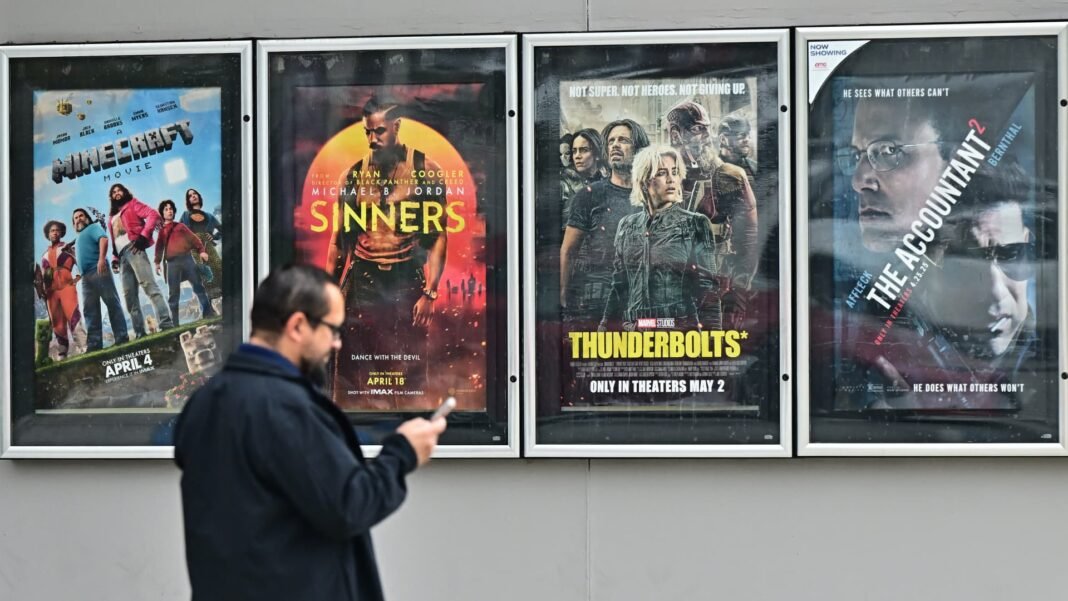
The acquisition grants Netflix stewardship over warner Bros.’ iconic film studio operations,sparking speculation about possible alterations to theatrical release schedules or distribution tactics for major motion pictures-a shift poised to disrupt traditional cinema business frameworks worldwide.
netflix’s Optimism Amid Regulatory Obstacles
Ted Sarandos, co-CEO of Netflix, expressed confidence regarding regulatory approval during investor briefings following the announcement:
- “This deal benefits consumers by driving innovation forward,” Sarandos stated emphatically.
- “We are dedicated to working closely with regulators around the globe to obtain all necessary clearances.”
A noteworthy element is Netflix’s commitment to pay Warner Bros. Discovery a $5.8 billion breakup fee if authorities block the transaction-reflecting both their assurance in success and acknowledgment of potential hurdles ahead.
Bidding Competition: Paramount Skydance Challenges Take Center Stage
After intense negotiations involving Comcast and Paramount Skydance vying for Warner Bros.’ assets, Netflix emerged as the winning bidder.Paramount has raised concerns regarding fairness during this sale process and hinted at pursuing option strategies-including possibly unfriendly offers aimed directly at shareholders-to contest Netflix’s proposal moving forward.
The Political Environment Shaping Media Consolidations

the current political backdrop adds layers of complexity; previous administrations have been marked by increased scrutiny over large-scale mergers amid allegations that political favoritism influenced antitrust enforcement decisions. Senator Warren criticized what she perceives as politicization within agencies responsible for overseeing such transactions.
Past cases Illustrate Lengthy Regulatory Reviews
- The $8 billion Paramount-Skydance merger underwent federal review lasting more than one year before final approval was granted amid contentious legal settlements tied to political disputes over diversity policies;
- This precedent suggests similar delays could affect how quickly regulators act on the proposed Netflix-Warner Bros deal;
- Larry Ellison-the Oracle co-founder closely associated with former President Trump-is indirectly involved through his son David Ellison’s leadership role at Paramount Skydance amidst ongoing bidding battles for WBD assets;
Navigating Definitions: What Constitutes Streaming Competition?
A pivotal issue confronting regulators will be how broadly they define “streaming” competition when assessing market dominance:
- Narrow Perspective: Some critics maintain focusing exclusively on subscription video-on-demand (SVOD) platforms exaggerates perceived market concentration;
- Broad Perspective: others argue ad-supported services like YouTube should be included alongside traditional broadcast networks (Disney+, NBCUniversal) plus social media platforms such as TikTok when evaluating audience reach;
“The core debate revolves around whether ‘streaming’ stands alone or forms part of overall television consumption across multiple formats,” explained industry analyst Jeff Goldstein from AlixPartners.
He added firmly: “YouTube cannot be excluded.”

YouTube currently tops all platforms in total viewing time across devices based on recent Nielsen ratings-outperforming legacy broadcasters-which highlights challenges regulators face defining competitive boundaries accurately amid evolving viewing habits.
Media veteran John Malone remarked:
“If categories are expanded properly you must include social networks like Facebook alongside studios; or else antitrust evaluations risk overlooking critical dynamics.”
A Pivotal Shift Within Global Entertainment Markets
This proposed alliance between two giants signals not just consolidation but change within worldwide entertainment markets increasingly shaped by digital disruption.Having pioneered direct-to-consumer models after phasing out DVD rentals years ago,Netflix continues revolutionizing viewer expectations through acclaimed originals such as “The Witcher,” “Bridgerton,” “The Sandman,” ,and “Stranger Things.”
Whether regulatory bodies approve this historic merger will depend upon balancing innovation advantages against maintaining diverse competition-setting benchmarks likely influencing future mega-mergers throughout technology-driven industries globally.
(All SEO keywords preserved exactly throughout.)