India-Russia Relations in the Context of global Energy and Trade Shifts
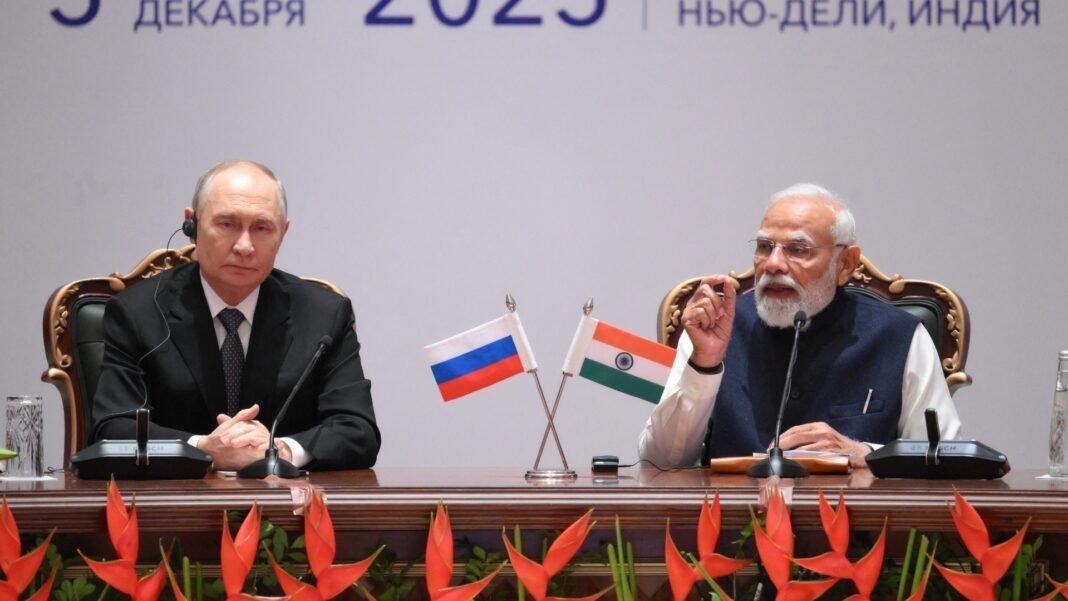
During a recent state visit, Vladimir Putin was greeted with significant ceremony in India, emphasizing the importance of ongoing dialogues between Moscow and New Delhi. These discussions centered on deepening economic cooperation and securing energy supplies, highlighting russia’s determination to sustain its influence amid mounting international challenges.
India’s Strategic Navigation Between Major Powers
Positioned at the crossroads of global power dynamics, India carefully manages its ties with both russia and the United States. Despite strong pressure from Washington to cease importing russian oil due to sanctions, New Delhi continues to evaluate its national interests pragmatically. This diplomatic balancing act exemplifies the complexities faced by countries caught between competing superpowers.
Bilateral Trade Talks Under Intense Observation
The conversations between Indian prime minister Narendra Modi and President Putin focused on expanding trade relations. Given that energy security remains a top priority for India-one of the world’s largest crude oil importers-the sustained procurement of Russian oil remains a sensitive topic within international diplomacy circles.
energy Demands Driving Policy Decisions
With an economy growing at over 6% annually as of 2024, India requires substantial energy inputs; it imported nearly 87% of its crude oil last year. Russian crude offers competitive pricing that helps curb inflationary pressures domestically while ensuring steady supply chains. Even though Western nations advocate for diversification away from Russian sources, India’s approach prioritizes cost-effectiveness and reliability above geopolitical considerations.
The Impact of Sanctions Amid Global Realignments
Moscow faces extensive economic sanctions aimed at curbing its geopolitical actions; however, countries like India continue engaging through trade agreements that challenge these restrictions’ effectiveness.This scenario underscores how pragmatic economic needs often take precedence over political alliances in today’s interconnected world.
The Stakeholders: who Benefits?
- Russia: Preserves vital economic partnerships that soften sanction effects while showcasing resilience on the global stage.
- India: Gains access to affordable energy crucial for sustaining rapid industrial expansion without compromising key diplomatic relationships.
- The United States: Attempts to sway India’s foreign policy but encounters limits due to India’s sovereign decision-making priorities.
A Comparable Geopolitical Scenario: The Eastern Mediterranean Tensions
This dynamic resembles how countries like Greece and Turkey manage their strategic interests amid broader regional rivalries involving NATO allies-demonstrating how middle powers assert independence while balancing relationships with dominant players in contested zones such as the Eastern Mediterranean Sea.
“In today’s globally linked economy,decisions about trade partnerships and energy sourcing are complex reflections of layered national priorities rather than straightforward alliances.”