Intensified Diplomatic Initiatives as Ukraine Seeks Global Backing in peace Talks
Strategic Dialogues in London Mark Renewed Commitment to Conflict Resolution
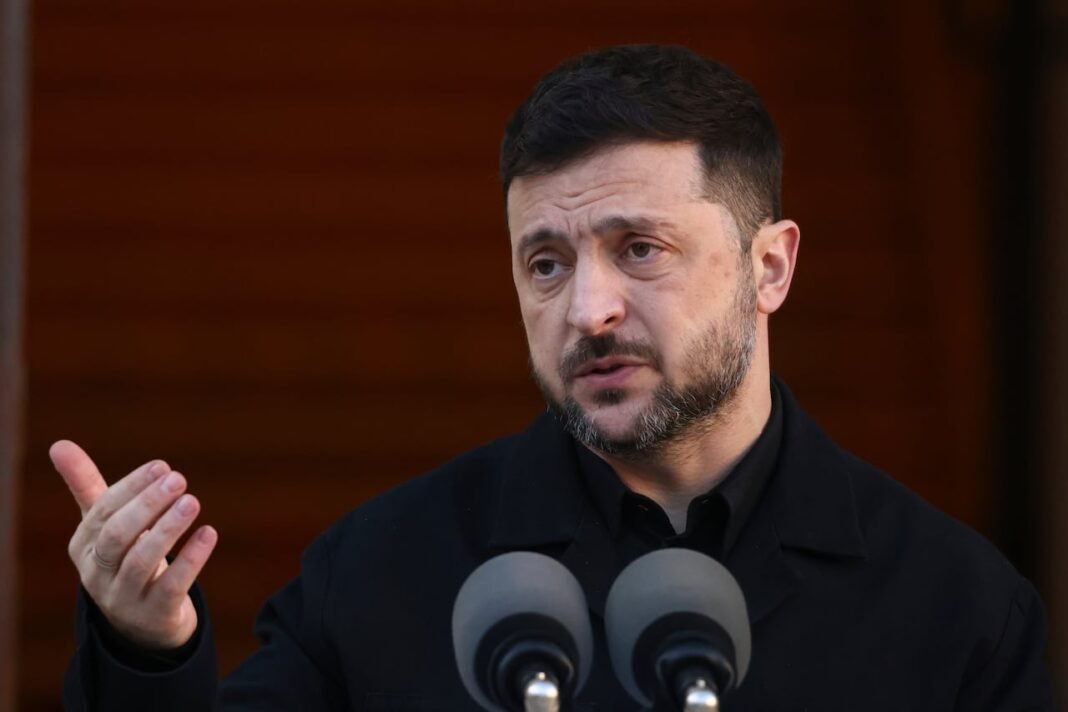
In a important diplomatic move, Ukrainian President Volodymyr zelenskyy met with top officials from teh United Kingdom, France, and Germany in London to reinforce alliances and synchronize approaches amid ongoing peace negotiations. This high-profile meeting set the stage for an upcoming NATO summit focused on rallying international support while the United States increases diplomatic efforts urging Kyiv to consider a ceasefire proposal with Russia.
The discussions were hosted by British Prime Minister Keir Starmer and included French President Emmanuel Macron alongside German Chancellor Friedrich Merz. All parties reiterated their unwavering support for Ukraine’s sovereignty, stressing that any ceasefire agreement must be both fair and sustainable over time.
Complexities of Aligning Transatlantic Interests
Zelenskyy emphasized the intricate balancing act required between American initiatives and European expectations. He noted, “Cooperation between Europe and the U.S.is essential for making informed decisions,” highlighting how delicate diplomacy is crucial to securing terms favorable to Ukraine without compromising its core interests.
Current Stalemates: The Latest U.S.-Ukraine Negotiation Efforts
The conflict has entered one of its most intense phases after nearly four years of fighting.Russian forces continue gradual territorial gains in eastern Ukraine while relentless attacks have caused widespread power outages by targeting critical energy infrastructure across Ukrainian cities.
Last month,Washington presented a ceasefire plan incorporating several conditions initially proposed by Russia during earlier talks. Though,Kyiv’s European allies have called for revisions to ensure equity before endorsing any deal.
A delegation led by former U.S. envoy Steve Witkoff along with Jared Kushner engaged Moscow with an updated framework last week before holding multiple days of discussions with Ukrainian representatives in Miami-talks that ended without agreement over the weekend.
Zelenskyy described these negotiations as productive yet difficult due to persistent disagreements over territorial control-a key sticking point preventing progress toward peace despite optimistic statements from some U.S. officials about nearing consensus.
Divergent Perspectives Among Western Allies
German Chancellor Merz expressed concerns regarding specific aspects of America’s proposals but underscored that continued dialog remains vital: “We need thorough examination-that is why we are gathered here.” Meanwhile, British leadership reaffirmed steadfast backing for Ukraine’s pursuit of a just resolution respecting its sovereignty.
The Influence of Political Narratives on Diplomatic Relations
Former U.S. president Donald Trump publicly criticized Zelenskyy for allegedly neglecting recent peace offers supported by Washington-a claim lacking clear substantiation but reflective of strained ties between Trump’s faction and Kyiv since his political comeback last year.
This stance contrasts sharply with Trump’s previous governance period when he faced impeachment partly related to attempts at leveraging Ukrainian cooperation against domestic adversaries-a saga ending in acquittal but leaving lingering tensions affecting current diplomacy dynamics.
The Role of Political Messaging Amid Conflict Pressures
Trump’s statements vacillated between condemning Russian military aggression-especially following civilian casualties-and accusing Ukrainian leaders of insufficient appreciation toward American aid since Russia’s 2022 invasion began. Such mixed signals complicate unified Western strategies amid ongoing hostilities demanding cohesive responses.
“Ukraine deserves a dignified peace; ultimately it depends entirely on Russia,” Zelenskyy declared via social media platforms, emphasizing shared global obligation alongside firm negotiation stances upheld by allies throughout Europe and North America.
NATO Summit in Brussels: Enhancing Collective Defense Coordination
Soon after London talks, Zelenskyy proceeded to Brussels where NATO Secretary-General Mark Rutte convened meetings involving key European Union figures such as Antonio costa and Ursula von der Leyen-demonstrating strengthened collaboration among western institutions committed to bolstering Ukraine’s defense capabilities amid persistent threats posed by Moscow-backed forces.
Evolving Security Policies Reshape Transatlantic Alliances

The newly released national security strategy under former President Trump marks a notable shift from prior policies categorizing Russia solely as an aggressor undermining post-Cold War stability through actions like Crimea annexation (2014) and full-scale invasion (2022).
This approach unexpectedly garnered positive remarks from Moscow-the first overt alignment with an American strategic document since Cold War-era tensions eased decades ago-reflecting changing geopolitical narratives influencing Europe’s future security surroundings significantly.
Tensions Between Dependency And Sovereignty In European Defense Planning
< p >European nations express apprehension about Washington’s rhetoric yet remain heavily reliant on U.S.-supplied military assistance while simultaneously accelerating investments into indigenous defense sectors amid concerns regarding long-term reliability given shifting political landscapes across both continents.
“Europe confronts unprecedented challenges necessitating urgent modernization,” a senior EU official recently stated concerning increased defense budgets showing annual growth exceeding 10 percent among prominent NATO members such as Poland or sweden enhancing deterrence capabilities against potential Russian threats.
- The United Kingdom announced plans this year aiming at raising annual defense expenditure beyond £50 billion ($65 billion USD), marking one of its largest boosts as World War II;
- Germany expedited procurement programs focusing on cutting-edge air-defense technologies;
- NATO collectively endorsed initiatives strengthening rapid deployment units capable of swift response along Eastern borders;
An Uncertain Horizon For Transatlantic Unity?
“Demographic trends may reshape how certain NATO countries view their global responsibilities,” warns part of Trump’s strategy document highlighting concerns about population changes possibly impacting alliance cohesion decades ahead.”
- This viewpoint resonates with themes gaining traction within emerging far-right movements across Europe challenging customary pro-American positions dominant among mainstream parties governing nations like France or Germany;
- Civil society organizations caution such rhetoric risks weakening solidarity essential during crises requiring unified action;
- The debate continues whether evolving identities will redefine Europe’s strategic priorities relative to longstanding partnerships forged through post-World War II NATO agreements;
A Multifaceted Journey toward Sustainable Peace Remains Ahead
< p >The path toward resolving hostilities between Ukraine and Russia remains laden with diplomatic complexities involving competing agendas among global powers seeking either compromise or advantage amidst shifting geopolitical realities.Peace negotiations continue despite obstacles; however ensuring justice alongside lasting stability demands sustained vigilance from all invested stakeholders committed deeply toward securing Eastern Europe’s future security framework without sacrificing sovereignty or democratic principles upheld internationally today.
(SEO keywords preserved throughout)