Shareholder Opposition Challenges Korea Zinc’s U.S.-Supported Joint Venture
Korea Zinc, recognized as the world’s foremost zinc smelting enterprise, has encountered significant shareholder pushback following announcements of a joint venture supported by the U.S. government. This development raises concerns among major investors about potential dilution of their ownership in the South Korean corporation.
Market Fluctuations Triggered by new Investment Plans
The company’s stock price initially soared over 26% on Monday after unveiling plans for a $7.4 billion mineral processing plant in Tennessee. however, investor apprehension regarding changes in equity distribution caused shares to retreat sharply, closing tuesday with nearly a 14% loss.This erratic trading underscores market unease about shifts in control linked to this large-scale project.
Investor Coalition Prepares Legal Challenge
A coalition led by private equity firm MBK Partners and industrial giant yoongpoong has expressed strong resistance against issuing additional shares for the joint venture.They are reportedly gearing up to seek judicial intervention aimed at preventing any share issuance that would reduce their combined stake from roughly 44% down to just under 40%, fearing diminished influence over corporate decisions.
Overview of the U.S.-South Korea Collaborative Enterprise
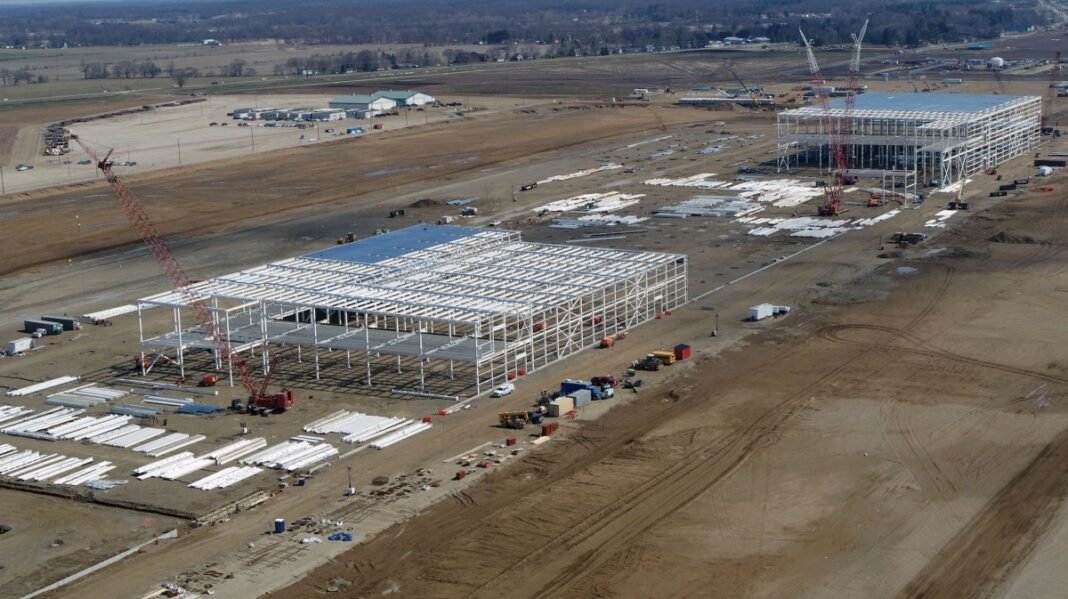
The proposed partnership entails forming a new entity responsible for building and managing an integrated smelting facility located in Tennessee. The Pentagon is set to acquire a considerable 40% ownership interest within this joint venture, highlighting strategic American involvement aligned with national security objectives.
Korea Zinc plans to issue new shares worth approximately $1.9 billion directly to this JV entity-controlled jointly by U.S.government interests and undisclosed American strategic investors-thereby granting them close to a 10% stake in Korea Zinc itself.
Concerns Over Corporate Governance and Control
The opposing shareholder group contends that this arrangement primarily serves chairman Choi Yun-beom’s goal of retaining managerial control despite external pressures from Washington-aligned investors seeking greater influence amid share dilution.
Tennessee Smelter project: A Strategic Industrial Initiative
This upcoming facility is designed not only for base metal production but also prioritizes extraction and processing of critical minerals vital for cutting-edge technologies and defense applications. Commercial operations are slated to commence incrementally starting in 2029 as part of Korea Zinc’s phased development strategy.
“Beginning in 2026, the united States will secure preferential access to Korea Zinc’s expanded global output, reinforcing American manufacturing strength and national security,” declared U.S. commerce Secretary Howard Lutnick via social media early Tuesday morning.
Advancing Supply Chain Resilience Amid Geopolitical Shifts
The plant is projected to achieve an annual production capacity reaching up to 540,000 tons within the United states alone according to recent federal data tied to critical mineral supply chain initiatives-a move consistent with broader efforts aimed at reducing dependency on Chinese sources amid ongoing geopolitical tensions between Washington and Beijing.