EU Deadlock Over Frozen Russian Assets Hampers Ukraine reconstruction Efforts
Hungary’s Opposition Stalls Plans to Utilize Seized Russian Wealth for Ukraine
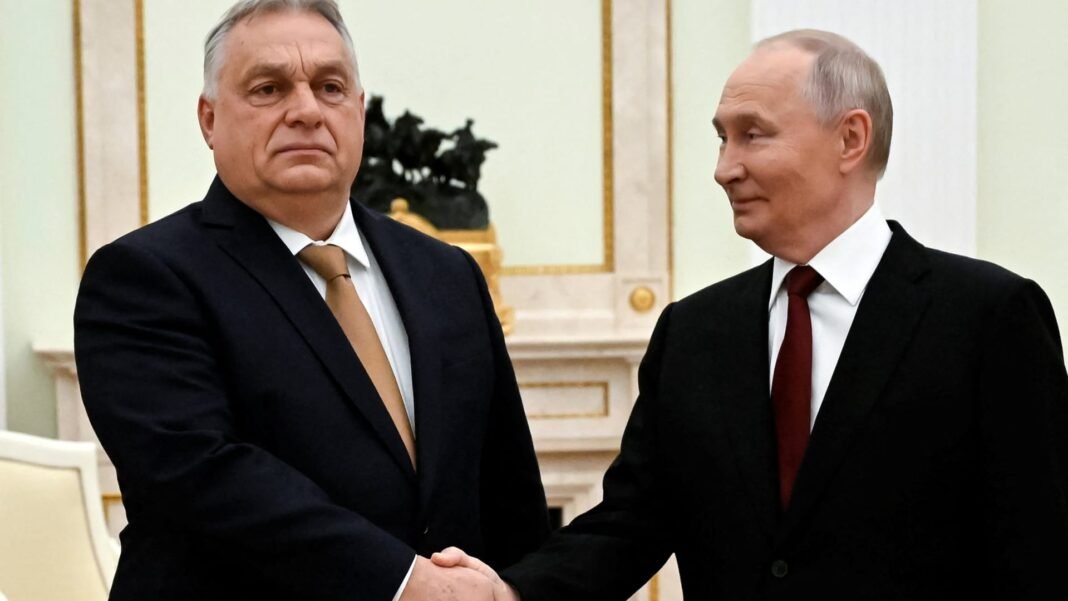
Viktor Orbán, Hungary’s Prime Minister and one of the European Union’s most vocal supporters of Russia, has declared that attempts to fund Ukraine’s reconstruction by using frozen Russian assets have effectively come to a halt. Ahead of a crucial European Council summit, Orbán bluntly stated that there is insufficient consensus among EU nations to move forward with such proposals.
“This route is closed. It’s over,” he asserted, highlighting the deep divisions within the bloc.
Legal Complexities and Political Resistance Within the EU
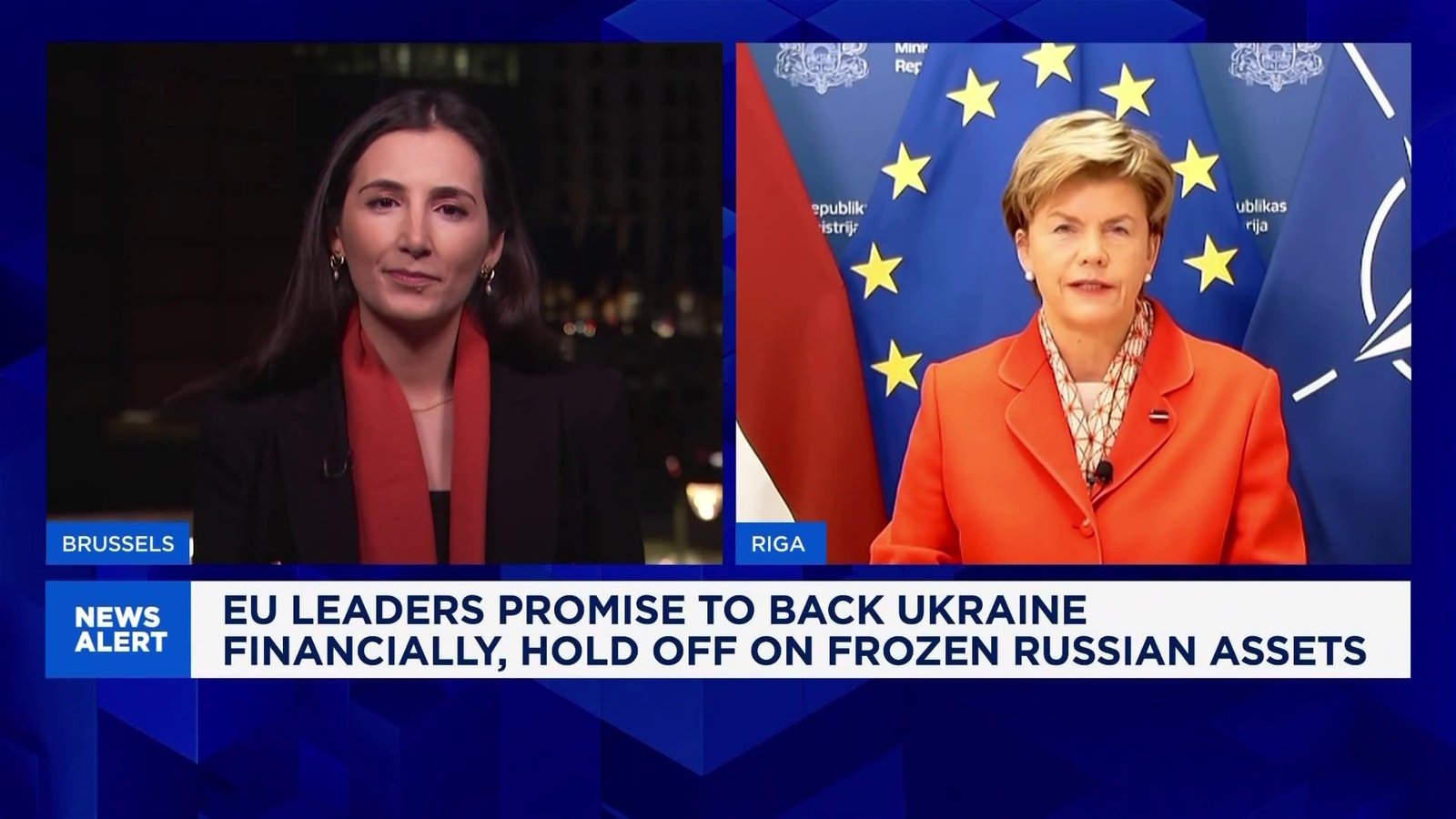
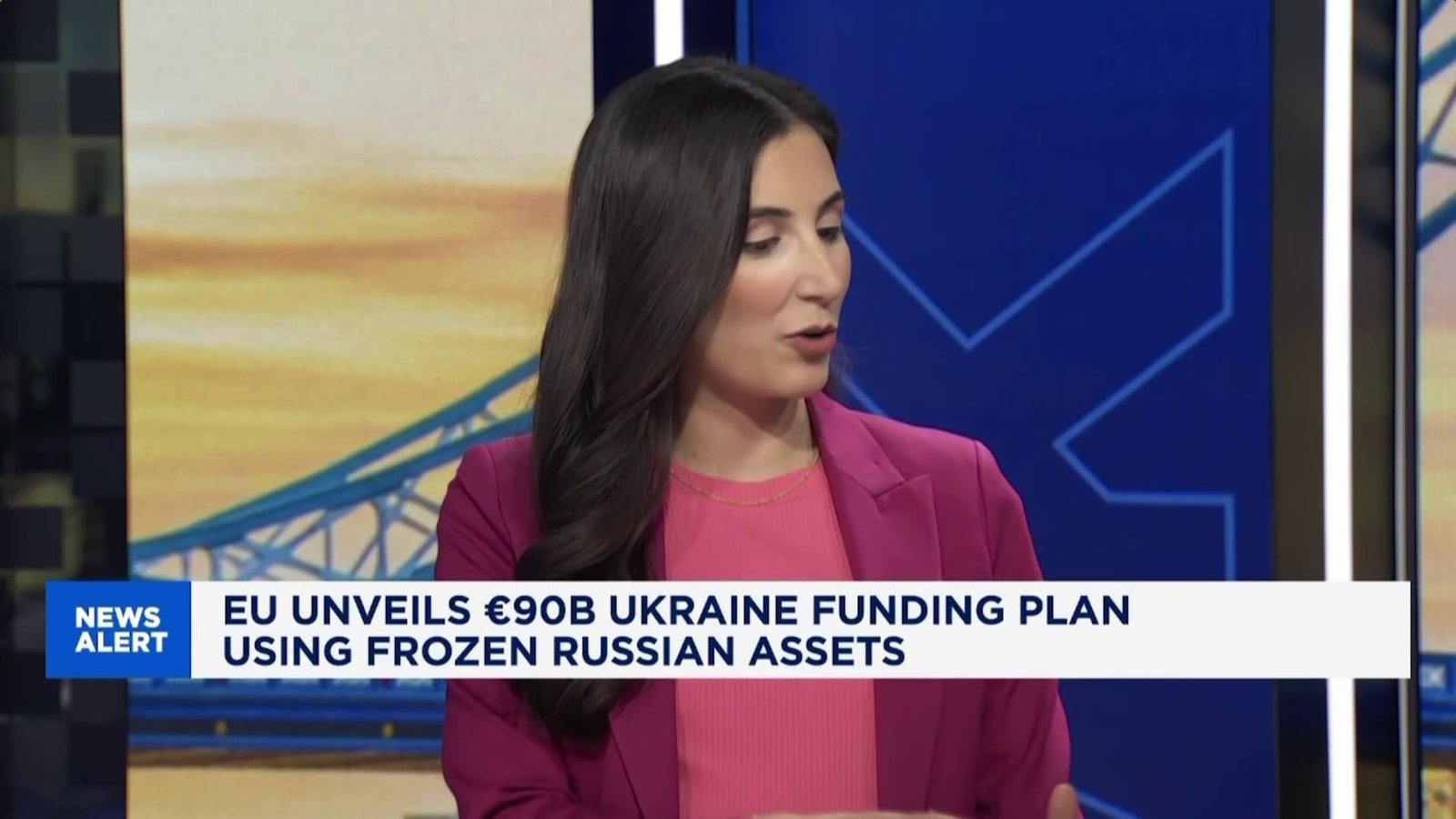
The European Commission has put forward plans to unlock billions of euros in frozen Russian funds held across member states as reparations loans and financial aid for Kyiv. However, this initiative faces important pushback not only from Hungary but also from Belgium-the home country of Euroclear, where many of these assets are stored.
Belgium has raised concerns about potential legal entanglements and financial risks associated with repurposing these funds. Italy and Bulgaria have echoed Belgium’s cautious approach, making unanimous agreement among all 27 EU members increasingly elusive.
The Challenge of Achieving Unanimity in EU Decisions
The requirement for unanimity on matters involving EU budget allocations or seized foreign assets presents a formidable obstacle given divergent national priorities. Hungary’s refusal even extends to blocking access to unused budgetary resources earmarked for Ukrainian support, narrowing viable options considerably.
The European Parliament has warned that without new international funding sources-including contributions from within the EU-Ukraine could face severe fiscal shortages as soon as mid-2026. In response to stalled negotiations at the Council level, some officials have proposed forming a “coalition of willing” member states prepared to act independently as a last resort.
Moscow’s Retaliation: Legal Battles and Heightened Tensions
Moscow perceives any attempt by Europe to seize or utilize frozen Russian assets as an aggressive act tantamount to justifying war. The Bank of Russia recently initiated lawsuits against Euroclear in moscow courts seeking damages related to asset freezes imposed by Western countries.
This confrontational stance reflects escalating tensions amid an ongoing conflict now entering its fourth winter since February 2022.
Diplomatic Deadlock Amid Calls for Peace
Despite Orbán insisting his opposition aims at promoting peace rather than prolonging hostilities-stating “we must prioritize steps toward peace instead of war”-progress remains limited on diplomatic fronts. Current negotiations involving delegations from Russia, Ukraine, the United States, and Europe continue sporadically with hopes pinned on upcoming talks possibly scheduled in Miami this weekend.
EU Foreign Policy Leader Urges Stronger Pressure on Moscow
Kaja Kallas, the EU High Representative for Foreign Affairs and Security Policy, acknowledged ongoing efforts alongside Kyiv but described talks as heavily skewed due to Moscow’s reluctance “to engage seriously.” She emphasized that increased pressure is vital if Russia is ever going beyond symbolic gestures toward meaningful dialog aimed at ending hostilities.
Kallas expressed guarded optimism after addressing Belgium’s legal concerns regarding asset usage proposals: “We’ve resolved their issues; now it’s time we finalize these plans.” She cautioned against allowing President Putin’s strategy-to exploit internal divisions within Europe-to derail collective financial support mechanisms critical for Ukraine’s defense capabilities.
Diverse Perspectives highlight Broader Geopolitical Strains Across Europe
- Hungary: Advocates prioritizing peace negotiations over punitive economic actions targeting Russia; opposes use of frozen funds citing national sovereignty.
- Belgium & Allies: Focused on minimizing legal exposure linked with asset seizures; hesitant without clear regulatory frameworks.
- Kremlin: Responds aggressively through litigation while framing Western moves as provocations justifying continued conflict.
- E.U Leadership: Pushes unified support strategies despite internal disagreements aiming at sustaining Ukrainian military resilience.
The Urgency: Sustaining Financial support Amid prolonged Conflict
The war between Russia and Ukraine shows no signs of abating soon-with harsh winter conditions worsening humanitarian crises-and Kyiv urgently needs reliable funding streams beyond current donor pledges. Recent analyses monitoring Eastern Europe’s security landscape project that barring new financing channels before mid-2026; Ukraine may deplete existing reserves threatening critical operations during next year’s campaigns.&u>
“Without fresh injections from public budgets across member states or innovative solutions like reparations loans backed by seized assets,” experts warn “the gap threatens essential military sustainability.”
navigating Between Justice Demands And Diplomatic Realities
This debate encapsulates broader dilemmas faced globally when balancing punitive justice against aggressors with pragmatic approaches toward de-escalation-a challenge mirrored historically during post-conflict reconstruction phases worldwide such as after Yugoslavia’s breakup or Iraq following 2003 interventions where asset freezes played contentious roles both aiding recovery financing yet sparking political rifts among rebuilding partners involved in those efforts.