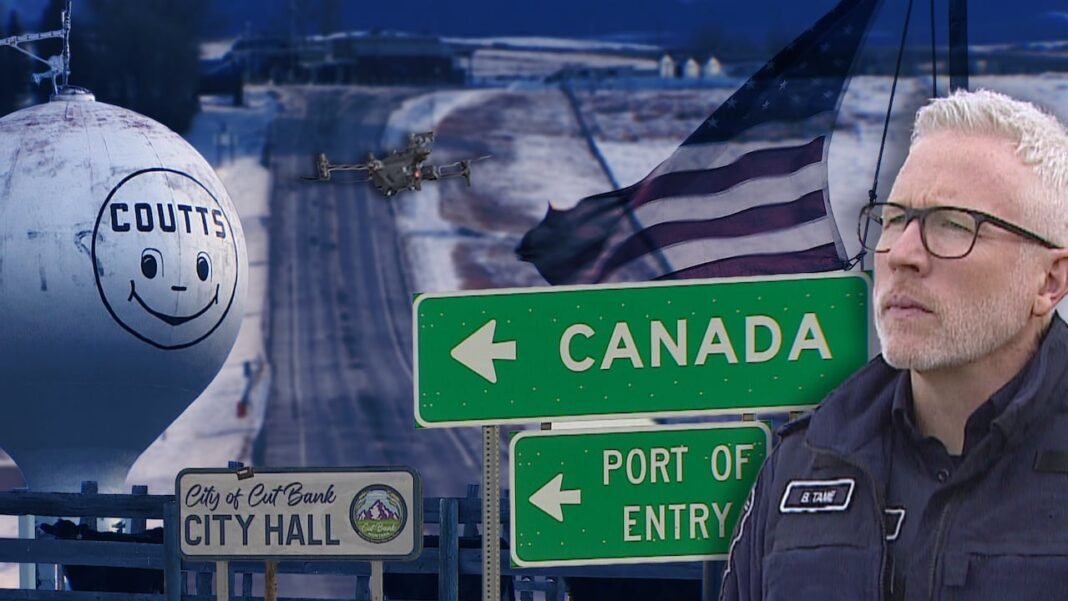
how Strengthened Border Security is Reshaping Life Along Alberta’s Southern Edge
Just outside the small community of Coutts, Alberta, cindy Bosch’s Angus cattle ranch operates much like it has for decades. The demanding calving season continues with its long hours and sleepless nights, while traditional events such as bull sales still punctuate the year.Movement of livestock between pastures and home remains a familiar routine.
However, beneath this steady rhythm lies a subtle transformation influenced by enhanced border security measures.
Heightened Surveillance: A New Reality in Southern Alberta
The occasional drone or helicopter overhead during grazing hours has become part of daily life. “The cattle hardly react when the chopper flies by,” Bosch remarks with a smile. “If anything, hunters seem more bothered since it tends to scare off deer.”
This uptick in aerial monitoring reflects broader efforts to address concerns about illegal crossings and drug smuggling along Canada’s southern boundary-a response intensified after political pressures from the United States highlighted fentanyl trafficking and unauthorized migration as critical issues.
Alberta responded swiftly by deploying Black Hawk helicopters alongside other enforcement tools in an area onc considered relatively tranquil compared to busier eastern border points.
The Interdiction Patrol Team: A Tactical Approach to Border Security
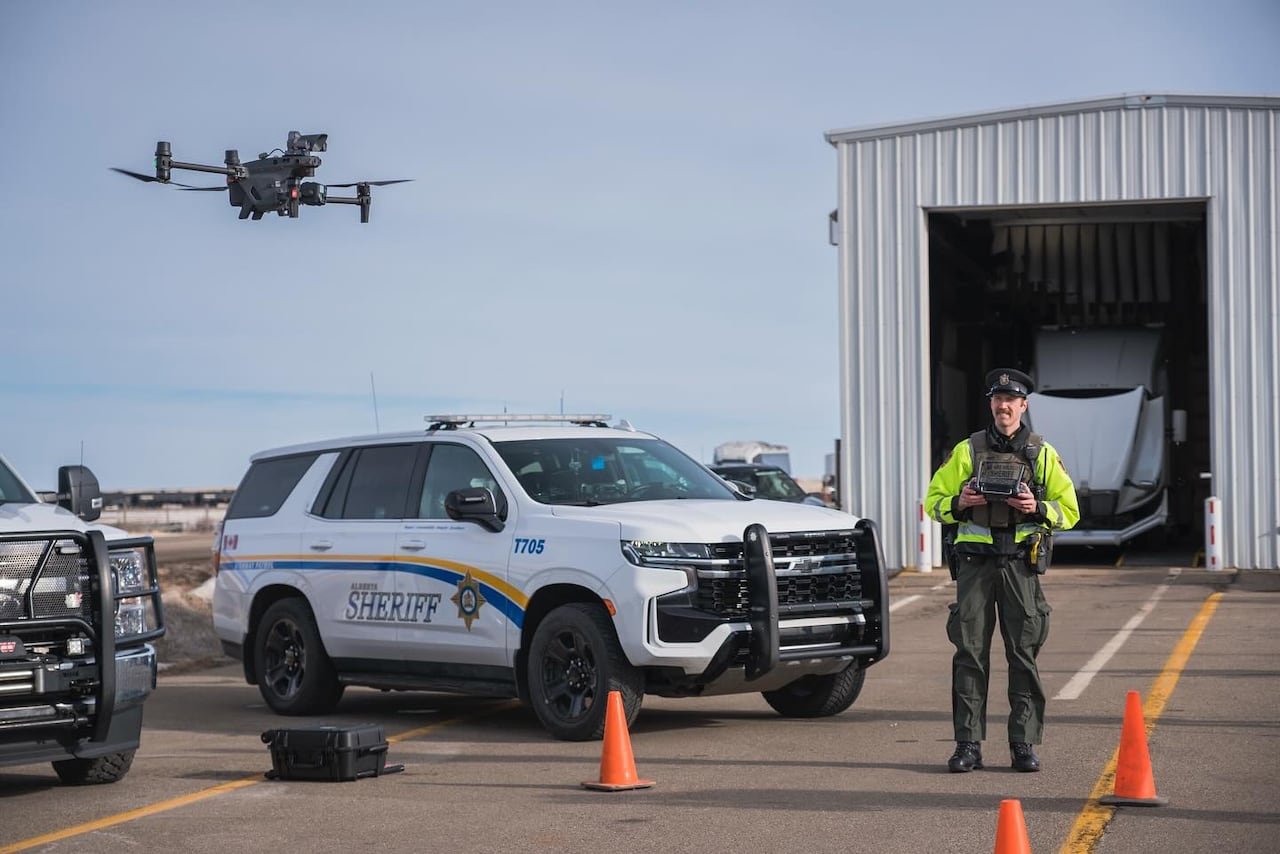
Launched with a $29-million budget last December, Alberta’s Interdiction Patrol Team (IPT) consists of approximately 51 officers including K-9 units and drone specialists focused on monitoring a two-kilometre “red zone” adjacent to the border where warrantless arrests are authorized.
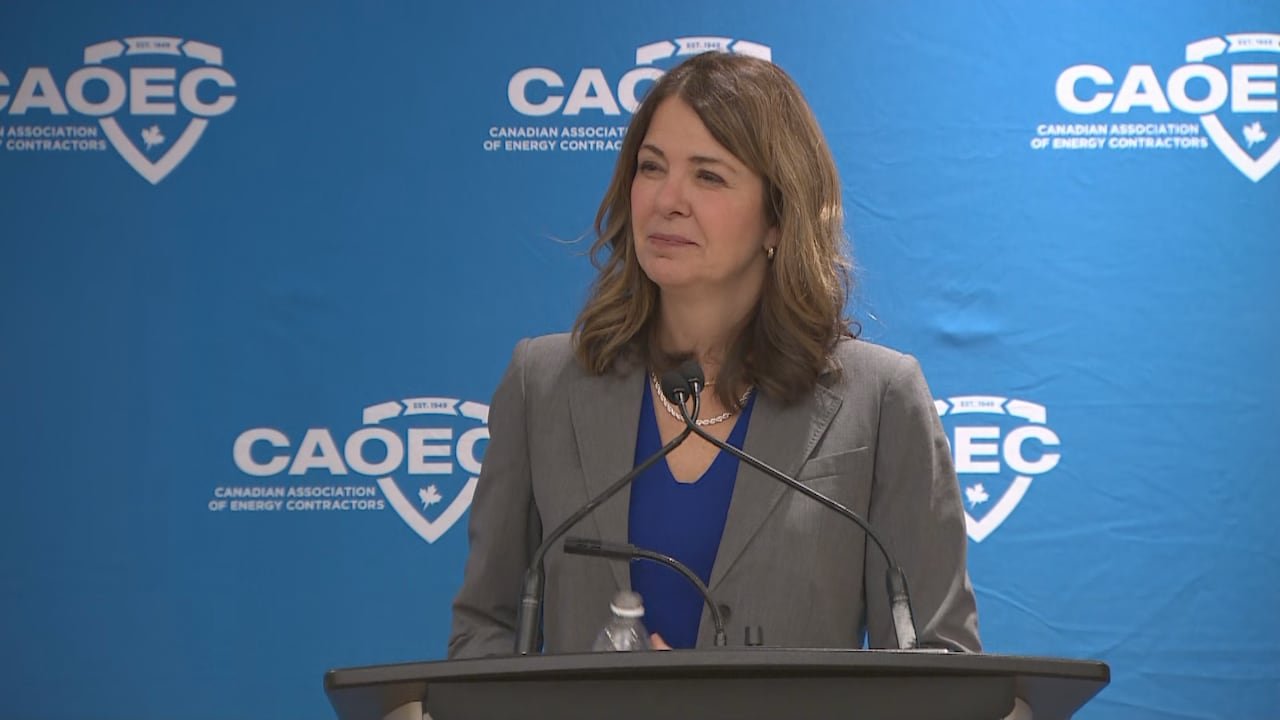
This initiative was championed by Premier Danielle Smith amid concerns over what she described as Canada’s “leaky border,” emphasizing provincial duty alongside federal agencies to prevent illicit activities that could jeopardize trade relations or public safety.
yet recent evaluations indicate that Coutts-the busiest crossing point in Alberta-is not currently a major hub for human smuggling or drug trafficking as initially feared. This insight has sparked conversations about reallocating resources toward more active hotspots along Canada-U.S.’s extensive frontier stretching over 8,800 kilometers.
Coutts: Small Town Life at an International Threshold
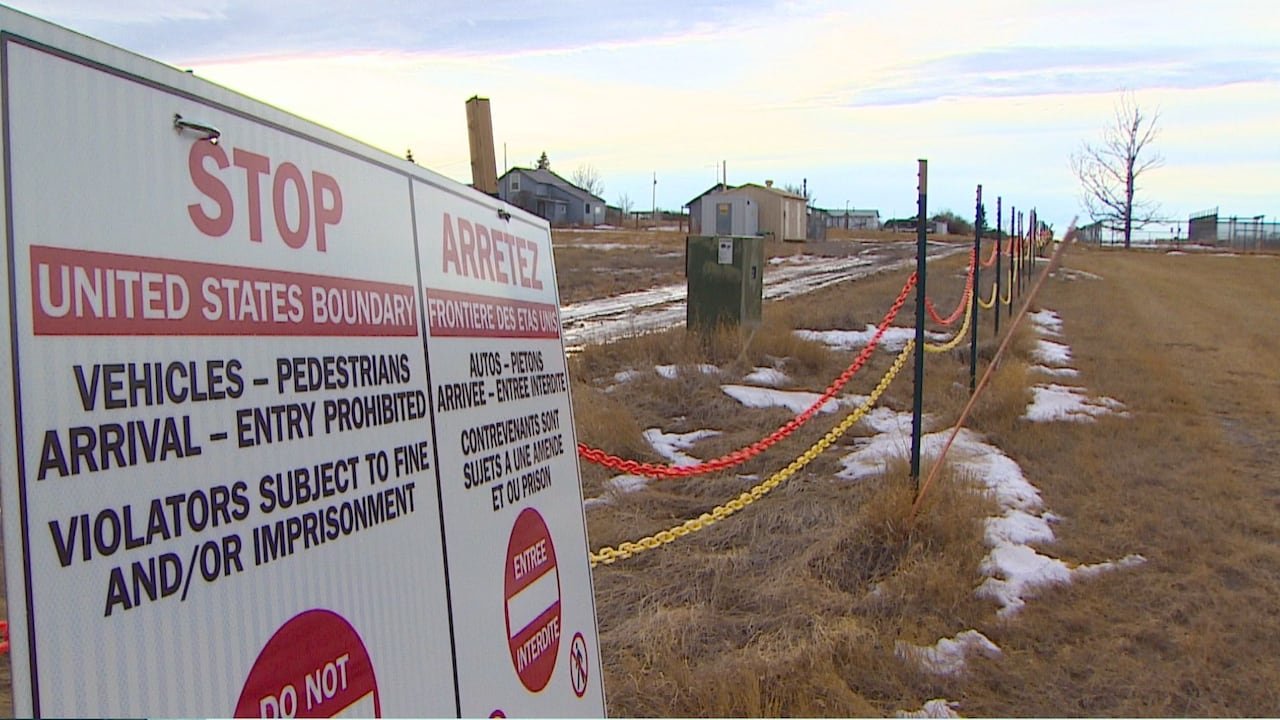
The village of Coutts hosts roughly 250 residents who live much like those in other prairie towns-quiet streets interrupted occasionally by visits to local cafés or post offices-but with constant reminders of their proximity to an international boundary marked clearly by stern warnings against unauthorized entry attempts.
A Local Voice on Enforcement Realities at the Border
Coutts Mayor Scott MacCumber brings decades-long experience from his tenure with Canada Border Services Agency (CBSA). While acknowledging important drug seizures recently-including fentanyl shipments-he notes most unauthorized crossings avoid official checkpoints here:
“Those attempting illegal entry usually bypass Coutts altogether; they seek alternative routes.”
A Personal Encounter Illustrates Persistent Challenges
This past summer brought an unexpected encounter when MacCumber met a woman near town who spoke Spanish mixed with broken English seeking directions toward Calgary after crossing illegally nearby-a stark reminder that despite increased patrols some individuals still risk dangerous journeys across remote stretches mere meters from established borders:
“She confessed she hadn’t contacted authorities becuase she was ‘illegal,'” MacCumber recalled before alerting RCMP officials who later safely intercepted her at inspection stations.”
Evolving Strategies: Resource Allocation Based on Intelligence Data
While Premier Smith remains firm on maintaining strong presence along southern alberta’s frontier, discussions are underway regarding potential redeployment if intelligence suggests greater needs elsewhere-a stance echoed by Public Safety Minister Mike ellis’ office which confirmed operational flexibility depending on emerging regional trends within provincial jurisdiction.Ellis highlights visible law enforcement acts as deterrents; criminals tend to avoid heavily monitored areas opting instead for less guarded points-of-entry.
“Offenders steer clear where police presence is strong,” Ellis explained.
)
Simultaneously occurring , Arthur Green , spokesperson for Ellis’ office , reports tangible outcomes : five apprehensions linked directly to illegal crossings ; disruption of one suspected sex trafficking operation ; seizures exceeding $100K worth illicit tobacco tied organized crime ; investigations into impaired driving cases plus execution outstanding warrants .
Though these figures may appear modest compared federal operations previously conducted here , criminologist Kelly Sundberg praises provincial involvement while cautioning national coordination remains essential to prevent displacement effects simply shifting problems elsewhere .”Provincial efforts complicate smuggling across southern Alberta but comprehensive national strategies produce better overall results,” Sundberg noted.
Navigating Drug Trafficking Patterns Across Borders
Inside CBSA facilities at Coutts-the only round-the-clock port in Alberta-travelers quietly complete immigration paperwork amid fluctuating traffic volumes. On slower days rows remain empty yet vigilance persists behind counters staffed continuously.
District director Ben Tame highlights growing challenges primarily posed by northbound flows: fentanyl shipments entering Canadian territory have surged dramatically over five years alongside cocaine imports.”We’ve seen significant increases recently in drugs plus firearms coming up from united States,” Tame said. Yet he emphasized fentanyl interdictions linked directly southward represent less than one percent nationally-underscoring complex transnational dynamics involved.
U.S Customs & Border Protection data corroborate minimal quantities seized originating specifically from Canadian sources within Montana sectors during current fiscal year-reinforcing nuanced realities beyond political rhetoric.
)
A Changing Landscape For Cross-Border Communities
Just westward near Carway crossing sits rancher Jim Ross whose lifetime straddling both sides fosters keen interest in evolving security measures.
“I’m glad something finaly happened since Ottawa wasn’t doing enough,” Ross remarked cautiously optimistic yet uncertain how impactful new teams truly are locally.
RCMP Staff Sgt Ryan Harrison leads Integrated Border Enforcement Team responsible patrolling between official ports noting unusual spike early this year involving northbound migrants slowed considerably afterward possibly due effective messaging highlighting dangers traversing harsh terrain spanning nearly three hundred kilometers often under severe winter conditions.
One high-profile incident involved nine people-including children-crossing deep snowfields predawn illustrating risks undertaken despite warnings.
Collaboration between RCMP units & provincial sheriffs has improved though intelligence sharing continues developing given differing mandates nationally versus provincially.
“We’re working together finding best ways leverage strengths each bring protecting borders effectively,” Harrison affirmed.
Tightened Borders Affect Regional Economies And Social Connections
Across Montana side Kalispell retailer Mark Pirrie observes fewer canadian visitors frequenting his western apparel store adorned with nostalgic Calgary Stampede posters reflecting shared cultural bonds transcending borders.
“The lifestyle here mirrors what Canadians enjoy too so we see many familiar faces but lately they’re coming less frequently enough,” Pirrie lamented citing factors such as stricter policies combined currency fluctuations dampening tourism flow significantly-with cross-border spending dropping nearly forty percent recently according local economic reports.
Nearby Cut Bank gift shop owner Lisa Cline echoes sentiments describing Canadians feeling unwelcome amid tougher controls disrupting longstanding community connections once taken for granted:
“It used be easy popping up north now feels like hitting an impenetrable wall.”
)
The Path Forward: Balancing Security Needs With Community Well-being
Back amidst rural Albertan landscapes surrounding Coutts subtle shifts continue shaping everyday life beyond visible patrols:
A remote road historically maintained jointly but physically located within Montana will close access next July disrupting traditional usage patterns symbolizing broader tensions affecting interconnected communities spanning invisible lines drawn decades ago.
Bosch recalls neighbors’ early anxieties wondering if simple freedoms like running across creeks would persist amid new restrictions:
“as maybe there’s a chopper coming.”