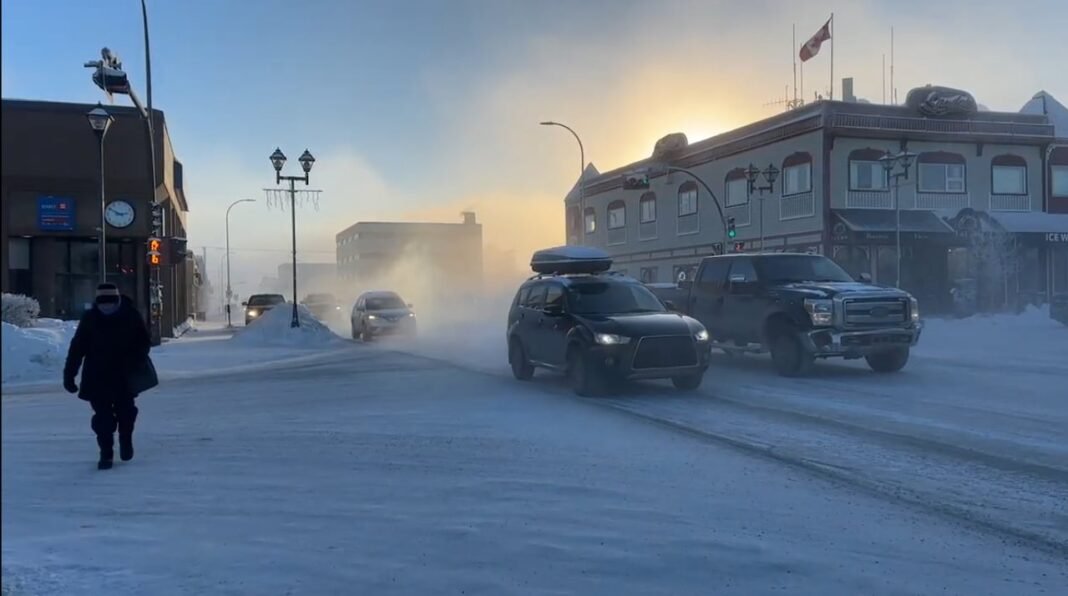
Yukon Faces Risk of Rolling Blackouts Amid Unprecedented Cold Wave
The Yukon Territory is grappling with an intense cold spell, with temperatures dropping to nearly -50°C in some locations.This severe freeze, influenced by a persistent Arctic air mass, continues unabated and is placing extraordinary demands on the region’s electrical system.
Whitehorse Power System Approaches Critical Threshold
The energy minister overseeing Yukon’s utilities has issued warnings that Whitehorse’s power grid is nearing its operational limits. “Our electricity network is under tremendous strain,” the official stated. “Every effort by residents to conserve energy can help prevent blackouts.”
At present, both hydroelectric and thermal generation facilities are running near full capacity. Wind power contributes minimally to the overall supply mix. On a recent peak day, electricity consumption surged to 123 megawatts-close to the grid’s maximum capacity of 140 megawatts.
what Are Rolling Blackouts and How Would They Affect Yukoners?
If implemented, rolling blackouts would involve systematically cutting power in designated neighborhoods for short periods-starting with downtown Whitehorse before moving on to areas such as Takhini-to ease pressure on the grid and avoid a complete shutdown.
Although these measures have not yet been enacted as of early this week,officials advise residents to prepare emergency supplies including flashlights,candles,non-perishable foods,and warm blankets sufficient for at least three days.
Community Participation Essential in Reducing Energy demand
The minister urged citizens across Yukon to actively lower their electricity use: switch off needless lighting; operate appliances during off-peak hours; and maintain moderate indoor temperatures rather than overheating living spaces.
“Simple steps like unplugging devices when not in use can collectively reduce demand,” noted Diane Strand, mayor of Haines Junction-a community recently impacted by a blackout caused by equipment failure amid sub -40°C conditions.
Haines Junction: A Case Study in Community Resilience
the recent outage at Haines Junction exposed weaknesses within local energy infrastructure but also demonstrated strong community solidarity. Residents quickly organized mutual aid efforts while adopting conservation habits that could serve as valuable examples for other northern communities facing similar winter challenges.
Essential Winter Preparedness Tips from Authorities
- Assemble emergency kits: Stock up on flashlights with spare batteries; candles; warm clothing; non-perishable food items; drinking water;
- keep vehicles fueled: Ensure transportation remains available during potential outages;
- Avoid excessive heating: Layer clothing indoors instead of raising thermostat settings too high;
- Shed unnecessary electrical load: Turn off or unplug electronics when idle;
- Aim for staggered appliance usage: Run washers or dishwashers during times of lower demand whenever possible.
Tackling Long-Term Energy Challenges in Yukon
This extreme weather event has highlighted vulnerabilities within Yukon’s aging electrical infrastructure and intensified discussions about investing in more robust energy systems designed to withstand future climate extremes. The minister acknowledged that addressing these issues will require strategic policy planning over coming months focused on improving reliability and resilience throughout all communities across the territory.
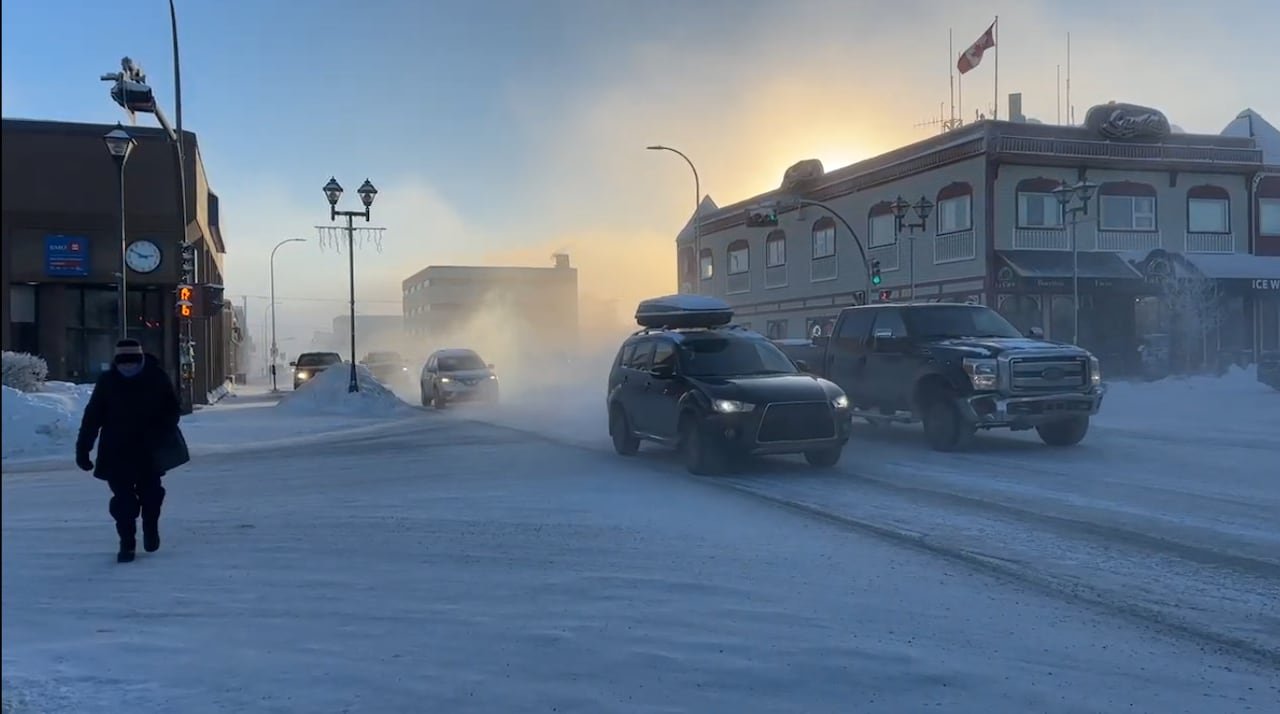
This situation underscores how extreme climatic conditions combined with limited generation resources can disrupt daily life even in well-prepared northern regions-and why collective conservation efforts remain critical until sustainable solutions are fully implemented.