Egyptian-British Activist Alaa Abd El-Fattah Returns to UK After Over a Decade in Detention
After nearly 12 years behind bars in egypt due to his political activism, Alaa Abd El-Fattah, a well-known Egyptian-British blogger adn campaigner, has finally arrived back in the United Kingdom. British Prime Minister Keir Starmer confirmed his return, marking a significant moment for human rights advocates worldwide.
The Long Road to Freedom: From Imprisonment to Release
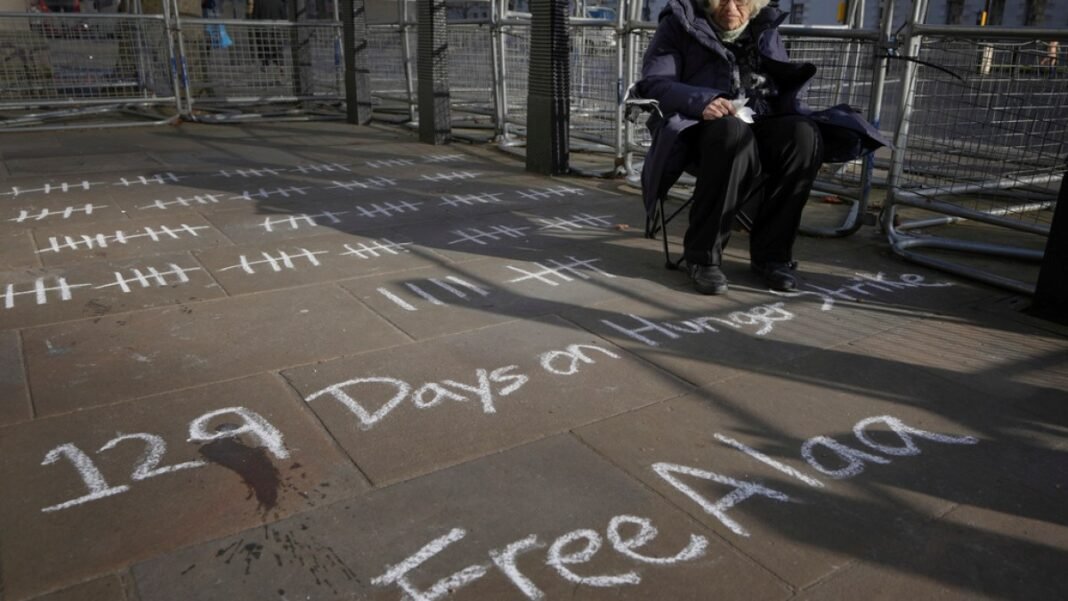
In September, Egypt’s President Abdel Fattah el-Sisi granted Abd El-Fattah a presidential pardon that led to his release. Starmer described this development as “a deep relief” and expressed gratitude for the clemency extended by Egyptian authorities. The UK government had made securing abd El-Fattah’s freedom a priority since coming into power, with persistent efforts from both international activists and his family playing an essential role.
Alaa Abd El-Fattah’s Activism and Legal Struggles
Alaa first rose to prominence during the 2011 Egyptian revolution that challenged Hosni Mubarak’s regime. Following the military takeover by el-Sisi in 2013, he became one of the most outspoken critics of the new government. In 2014, he was sentenced to 15 years on charges related to spreading false facts but was briefly released in 2019 before being re-arrested later that year. Despite these setbacks,he remained an influential advocate for democracy and human rights within Egypt.
Global Reactions and Restrictions Post-Release
The UK repeatedly raised concerns about Abd El-Fattah’s deteriorating health while imprisoned and pressed Egyptian officials for his release. however, diplomatic ties between Western nations-including close relationships with both London and Washington-and Cairo often limited more forceful interventions against el-Sisi’s administration.
Following pardons granted this year alongside five other detainees-many freed after prolonged hunger strikes-the Egyptian government imposed travel bans on those released. Yet early Friday morning, Abd El-Fattah hinted at departing Egypt through an enigmatic message posted on X: “Is it possible, kids, that we will say bye?” signaling hope amid restrictions.
The Emotional Homecoming: Family Joy and Public Sentiment
Laila soueif, Alaa’s mother, expressed profound happiness upon learning her son had safely reached London: “Praise be to God.” His return not only brings personal solace but also serves as a beacon of hope amid ongoing challenges faced by political prisoners globally.
Understanding Political Imprisonment Claims Within Egypt
- Official Position: The Egyptian government denies holding individuals as political prisoners officially; they assert arrests target those violating laws rather than suppressing dissent directly.
- Human Rights Perspective: International watchdogs continue spotlighting cases like Abd El-Fattah’s as part of wider patterns of repression seen under authoritarian regimes worldwide-where politically motivated detentions surged over 60% between 2020-2023 according to recent global reports.
The Wider Importance for Free Speech and Activism Today
Alaa Abd el-Fattah’s ordeal highlights the immense difficulties activists face when challenging entrenched authoritarian powers.His narrative resonates internationally as digital platforms increasingly become contested spaces where freedom of expression clashes with growing censorship efforts-from encrypted communications used by Belarusian dissidents evading surveillance to Hong kong protesters leveraging social media despite crackdowns on civil liberties.
“The courage demonstrated by figures like Alaa fuels global campaigns demanding clarity and justice,” remarked an independent analyst specializing in Middle eastern affairs.
Navigating Advocacy Amid Complex Diplomatic Relations
This case underscores tensions between geopolitical alliances and human rights advocacy where strategic partnerships sometimes overshadow urgent calls for reform. As governments juggle security interests alongside ethical obligations toward citizens’ freedoms abroad-including dual nationals-the international community faces increasing pressure to balance these competing demands without sacrificing fundamental principles such as free speech or fair legal treatment under international norms.