Major Winter Storm Sparks Extensive Flight Cancellations Across Northeast Airports
A severe winter storm advancing toward the Northeastern United States has forced airlines to cancel thousands of flights in anticipation, causing important disruptions during one of the busiest travel seasons on record. The storm is forecasted to deliver heavy snow and dangerous conditions, especially affecting key airports in New York and New Jersey.
Significant Flight Interruptions at Prominent Airports
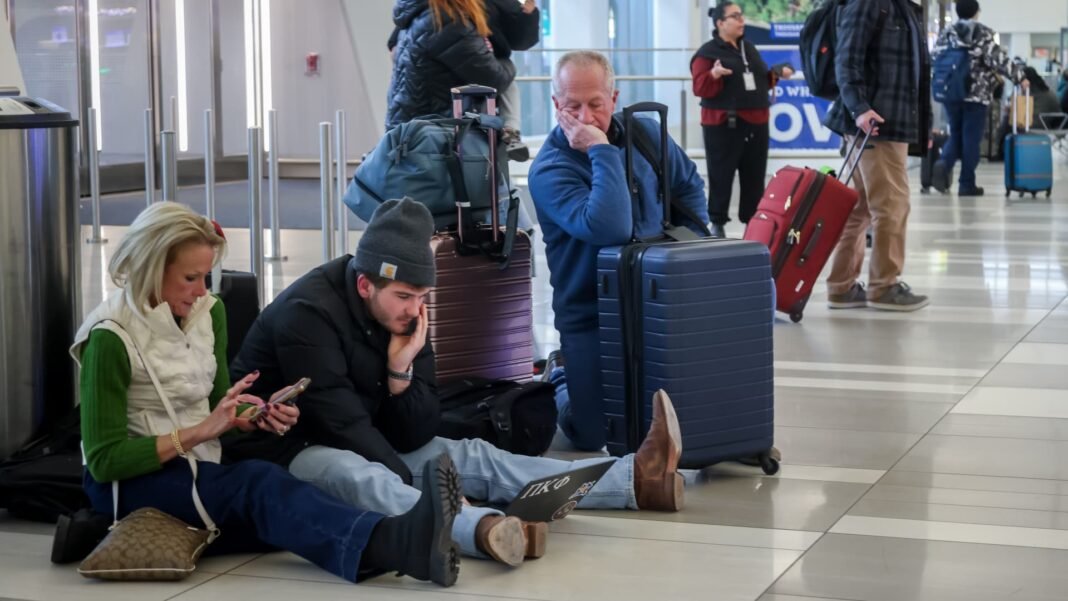
On Friday alone, more than 1,500 flights nationwide were canceled due to the approaching winter weather. John F. Kennedy International Airport (JFK) in New York City saw over 370 cancellations by late afternoon, representing more than a quarter of its daily departures. Newark Liberty International Airport reported upwards of 240 scrapped flights, while Philadelphia International Airport experienced over 140 canceled takeoffs.
The disruption continues into Saturday with JFK calling off roughly 125 departures-about 20% of its scheduled flights-Newark canceling nearly 70 (around 10%), and LaGuardia Airport suspending approximately 80 flights, which accounts for one-fifth of its daily operations.
Weather Outlook and Travel Warnings
The National Weather Service has issued a winter storm warning effective from Friday afternoon through the weekend for areas including New York City, Long Island, and parts of New Jersey. Snowfall could accumulate up to nine inches in some locations with most precipitation expected overnight Friday into early Saturday morning. These conditions are likely to create hazardous travel environments both on roads and at airports.
Airlines’ Flexible Policies Amid Disruptions
Leading carriers such as American Airlines, Delta Air Lines, United Airlines, Southwest Airlines, and JetBlue Airways have proactively waived change fees for passengers holding restrictive basic economy tickets traveling through affected Northeast airports. Additionally, fare differences will not be charged when customers modify their itineraries due to weather-related interruptions.
Travelers are advised that these flexible options require rescheduled trips to be completed before year-end. With an anticipated record-breaking holiday travel volume exceeding 52 million passengers between December 19 and January 5 nationwide this season-the highest as pre-pandemic levels-it is indeed recommended that travelers book earlier flights whenever possible.
The Strategy Behind Early Flight Cancellations
Cancelling flights ahead of extreme weather events like blizzards or hurricanes serves as a preventative tactic by airlines aimed at avoiding aircraft being stranded on runways or stuck mid-route along with crews and connecting passengers-a situation that can trigger widespread delays across entire airline networks.
“Proactive cancellations play a crucial role in reducing ripple effects throughout flight schedules,” aviation analysts explain.
Navigating Holiday Travel Amid Increasing Climate Challenges
This year’s travel turmoil reflects a growing trend where extreme weather increasingly disrupts airline operations across the country-from last winter’s unexpected snowstorm grounding thousands at Chicago O’Hare International Airport to summer heatwaves forcing runway closures at Phoenix Sky Harbor earlier this year.
The current scenario highlights how climate variability continues reshaping transportation logistics during peak demand periods such as Christmas week when millions depend on air travel for family gatherings or vacations worldwide.