Commodore 64 Ultimate: Revitalizing a Computing Icon for Today’s World
A Legendary Computer Reimagined
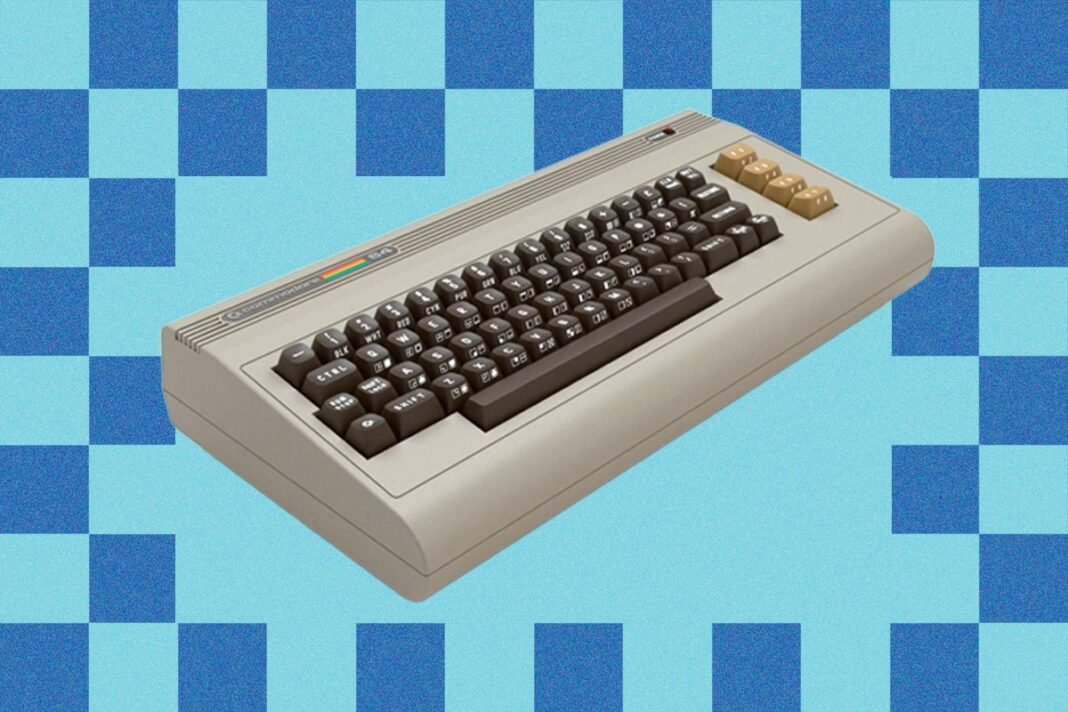
The Commodore 64 left an indelible mark on the history of personal computing. Launched in 1982, this beige keyboard-integrated machine became the best-selling personal computer of all time, with sales surpassing 17 million units globally. Although Commodore International shuttered its operations in 1994, the legacy of this pioneering device has endured through decades.
Recently, dedicated retro technology enthusiasts have resurrected this classic with the Commodore 64 Ultimate (C64U). This modern remake faithfully replicates much of the original hardware’s spirit while incorporating subtle updates to ensure compatibility and performance within today’s technological habitat.
Design That Pays Tribute While Embracing Innovation
The C64U retains the iconic wedge-shaped case and robust key design that defined its predecessor. It is offered not only in traditional beige but also as a transparent “Starlight” edition featuring customizable RGB lighting, along with an exclusive golden “Founder’s Edition.” At first glance, it could easily be mistaken for a freshly manufactured unit from the early ’80s due to its immaculate finish.
This version leverages advanced FPGA (Field-Programmable Gate Array) technology to emulate hardware behavior at a fundamental level rather than relying solely on software emulation. This method parallels recent FPGA-based recreations seen in devices like Analogue’s retro gaming consoles, delivering near-authentic responsiveness and accuracy.
Modern Connectivity Meets Vintage Compatibility
The C64U goes beyond aesthetics by including numerous physical ports compatible with original peripherals such as classic joysticks and datasette tape drives-ideal for collectors who still treasure their vintage accessories. Together, it integrates contemporary conveniences like USB-A ports primarily used for loading games from included USB sticks; HDMI output supporting resolutions up to full HD (1080p); Wi-fi capabilities; Ethernet connectivity enabling access to online bulletin boards reminiscent of early internet forums; plus options for CRT monitor support catering to purists seeking authentic display experiences.
Certain nostalgic design choices remain intact even if they complicate usability today-as a notable example, legacy port labels persist despite new connections occupying those slots. Native support for modern mice is absent without workarounds; users must rely predominantly on keyboard controls or period-specific input devices instead.
Navigating Nostalgia: Who Benefits Most?
the revived Commodore brand appeals strongly as a “digital detox” choice amid today’s distraction-heavy gadgets overloaded with ads and intrusive AI-driven features-a trend increasingly embraced by users seeking minimalism and focused workflows in their tech use.
However, newcomers unfamiliar with early home computing or lacking affection toward retro systems may find themselves challenged by steep learning curves inherent in using BASIC programming language or navigating GEOS-the graphical user interface bundled here-which mimics desktop environments but remains less intuitive compared to modern operating systems.
An Authentic User Experience Rooted In History
Upon powering up the C64U, users are greeted by an authentic command-line interface where programs can be launched directly or typed using BASIC commands-a language now rare outside vintage computing circles. To assist both novices and veterans alike is an extensive spiral-bound manual exceeding 270 pages that combines historical context with detailed instructions tailored specifically for this model’s unique features.
User Interface & Software Interaction
The included GEOS environment offers familiar desktop metaphors such as folders and icons but demands patience due to load times reflecting original disk drive speeds-sometimes requiring several minutes just to open applications or save files. Without native mouse support-classic mice are unsupported-the system relies heavily on keyboard shortcuts which may feel cumbersome initially yet add charm through authenticity.
A Gaming Heritage Preserved Through Time
The Commodore 64 was celebrated not only as a personal computer but also one of home gaming’s earliest platforms-with thousands of titles spanning genres from platformers to text adventures available than-and many preloaded here via software collections accessible through USB sticks designed like old cassette tapes reminiscent of physical media once ubiquitous during that era.
- Game Compatibility: Supports both NTSC and PAL formats reflecting regional differences historically affecting gameplay speed or availability; switching between these modes remains straightforward within menus;
- Sensory Nostalgia: Internal speaker reproduces authentic tape loading sounds enhancing immersive atmosphere;
- Pace Considerations: True-to-original loading times evoke patience often lost among younger generations accustomed to instant digital gratification;
A Delicate Balance Between Authenticity And Modern Expectations
This commitment creates tension between preserving genuine experience versus embracing convenience: hardcore fans appreciate every detail down to slow disk access speeds mimicking originals-even if frustrating-while casual players might prefer faster emulation alternatives better suited for swift play sessions without sacrificing game library breadth or quality.
Beneath The Surface: Noteworthy Hardware Upgrades
- An AMD Xilinx Artix-7 FPGA chip powers internal logic far beyond what was achievable four decades ago;
- Total RAM capacity expanded dramatically up to 128 MB DDR2 compared against just 64 KB originally available;
- User-accessible settings enable toggling virtual RAM expansions plus activating turbo clock modes boosting CPU frequency up to approximately 64 MHz-orders-of-magnitude improvements facilitating smoother multitasking within legacy constraints;
An Invitation To rediscover Computing History With A Contemporary Twist
The Commodore 64 ultimate stands apart not merely because it revives beloved hardware-it challenges us all by reminding how vastly different digital life once was before broadband internet became ubiquitous amid daily routines filled with constant notifications.
“This device serves less as mass-market consumer electronics than an artful tribute crafted lovingly by enthusiasts who truly grasp what made that era special.”