Challenges and Consequences of Humanitarian Aid Restrictions in gaza
Emerging Obstacles to Aid Distribution in Gaza
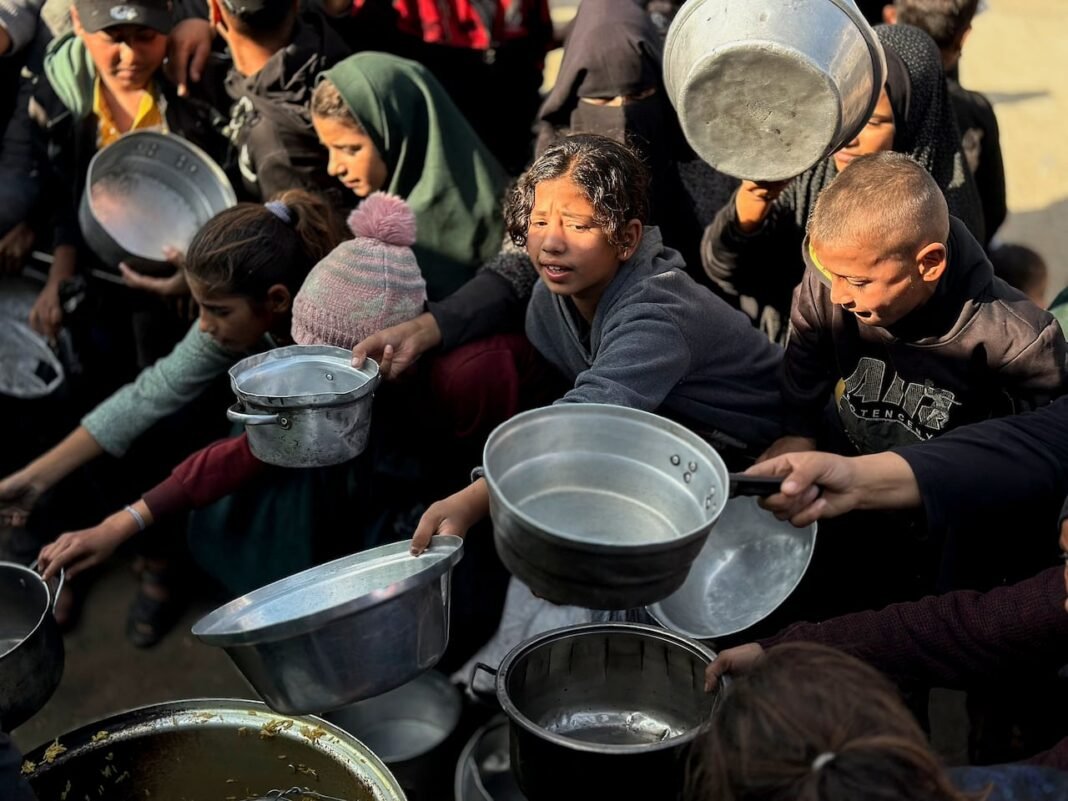
In 2026, humanitarian organizations continue to confront significant barriers as Israel enforces rigorous new registration protocols.These measures have resulted in the suspension of more than twenty aid agencies from operating within the Gaza Strip, causing millions of dollars’ worth of vital supplies to remain unused while countless Palestinians face worsening conditions.
The Norwegian Refugee Council (NRC), among those impacted, stresses that these constraints severely limit access to essential resources for vulnerable populations. israeli authorities defend these policies as necessary security precautions aimed at preventing militant infiltration into humanitarian efforts. however, many aid groups warn that such restrictions will deepen an already critical crisis amid ongoing recovery from recent conflicts and environmental disasters.
Understanding the complex Registration Requirements
The newly imposed rules compel NGOs to provide exhaustive information about their personnel and funding origins. While Israel argues this openness is crucial for security purposes, numerous organizations contend that complying would violate privacy regulations across several European countries where they are headquartered. Additionally, revealing staff details raises serious safety concerns given the volatile context on the ground.
A spokesperson for NRC highlights how Israel’s involvement as a conflict party complicates cooperation: “Disclosing our employee lists could put lives at risk since hundreds of humanitarian workers have been killed during operations.” According to United Nations figures from late 2023, over 560 aid workers lost their lives amid escalating violence in Gaza alone.
Security Issues Versus Humanitarian Integrity
No verified evidence connects NRC or other banned entities with armed groups operating in Gaza. rather, many observers interpret these restrictions as part of a broader effort aimed at weakening legitimate humanitarian actors who have provided uninterrupted support to Palestinian communities for decades without incident.
Consequences for Essential Health and Social services
This ban impacts major international organizations such as Doctors Without Borders (MSF), World Vision International, and various Oxfam branches. MSF alone accounts for roughly one-fifth of hospital beds and assists with about one-third of childbirths within gaza’s healthcare system-services now jeopardized by limited access due to these restrictions.
Moreover,ideological criteria introduced by israeli authorities disqualify NGOs based on political positions like endorsing boycotts against Israel or criticizing international legal actions involving Israeli officials.
Operational Fallout Amidst Worsening Humanitarian Conditions
Banned NGOs must shutter offices located in israel and East Jerusalem while losing authorization to deploy international staff or deliver supplies into Gaza directly. Despite logistical hurdles, some plan to sustain local initiatives through existing Palestinian employees on the ground.
The Coordinator of Government Activities in the Territories (COGAT) claims suspended groups represent less than one percent of total aid entering gaza; however critics argue this figure downplays their indispensable roles during winter months when flooding risks surge dramatically due to overcrowded displacement camps lacking adequate sanitation facilities.
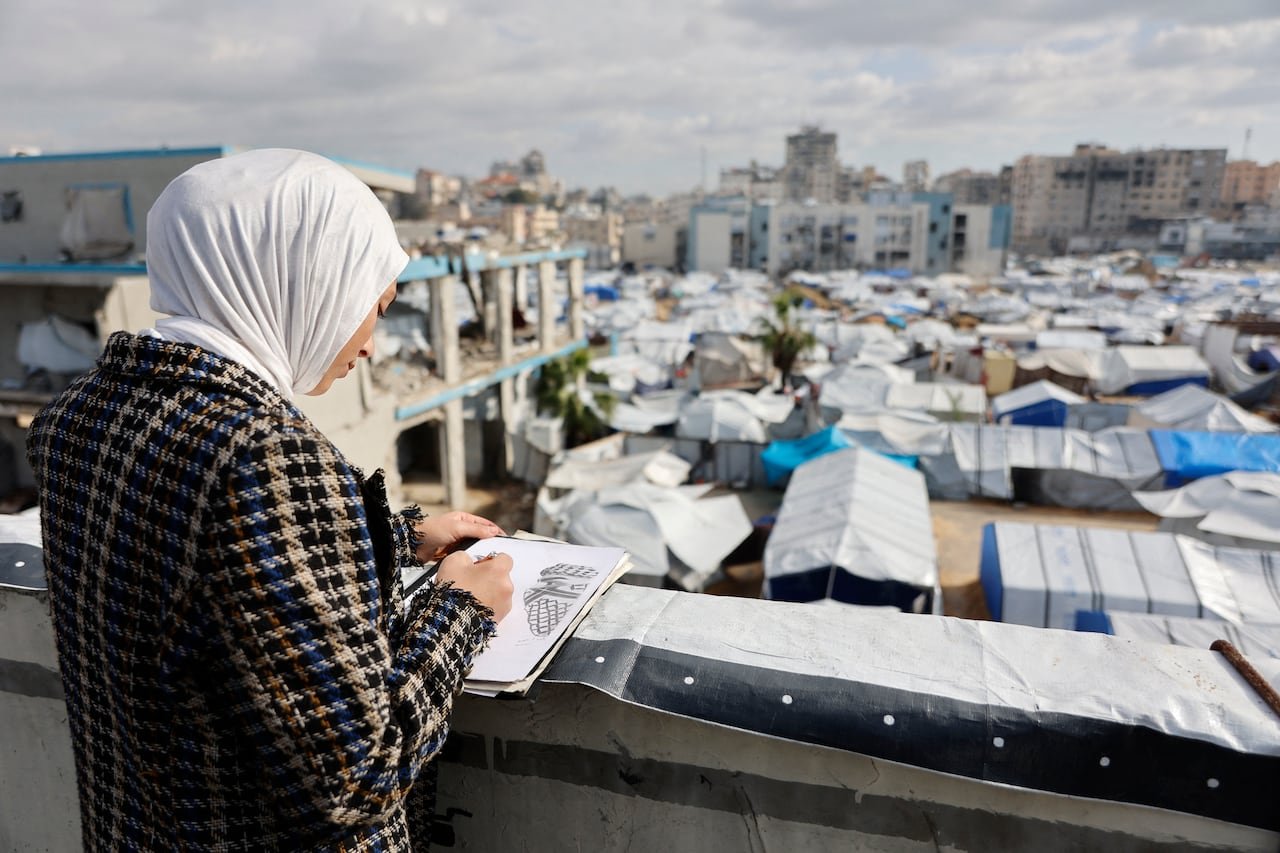
The scale of Displacement: A Population Under Siege
An estimated 1.9 million people-nearly 90 percent of Gaza’s residents-have been displaced over recent years due primarily to conflict-related destruction according to UN assessments.The arrival of winter exacerbates vulnerabilities further; open sewage systems overflow into living areas where thousands reside under makeshift shelters exposed directly to flooding hazards intensified by inadequate infrastructure.
Global Responses and Demands for Accountability
The United Nations Relief and Works agency (UNRWA), which supports millions including refugees inside Gaza, was also barred earlier this year following unsubstantiated allegations regarding militant infiltration linked with Hamas affiliates-a claim denied by UN officials overseeing it’s operations.
A coalition including Canada alongside Denmark, Finland, France, Iceland, Japan Norway Sweden Switzerland UK issued statements condemning restrictive policies obstructing NGO activities inside Gaza while warning about deteriorating humanitarian conditions described globally as catastrophic by multiple independent observers.
An Urgent Call Beyond Rhetoric: The Need for tangible Measures
NRC representatives urge global powers not only issue verbal condemnations but actively pressure Israel-the occupying authority-to uphold its responsibilities toward civilians living under occupation by enabling unhindered delivery of life-saving assistance rather than perpetually blocking it without accountability despite extensive documentation worldwide highlighting violations observed on site over more than two years.