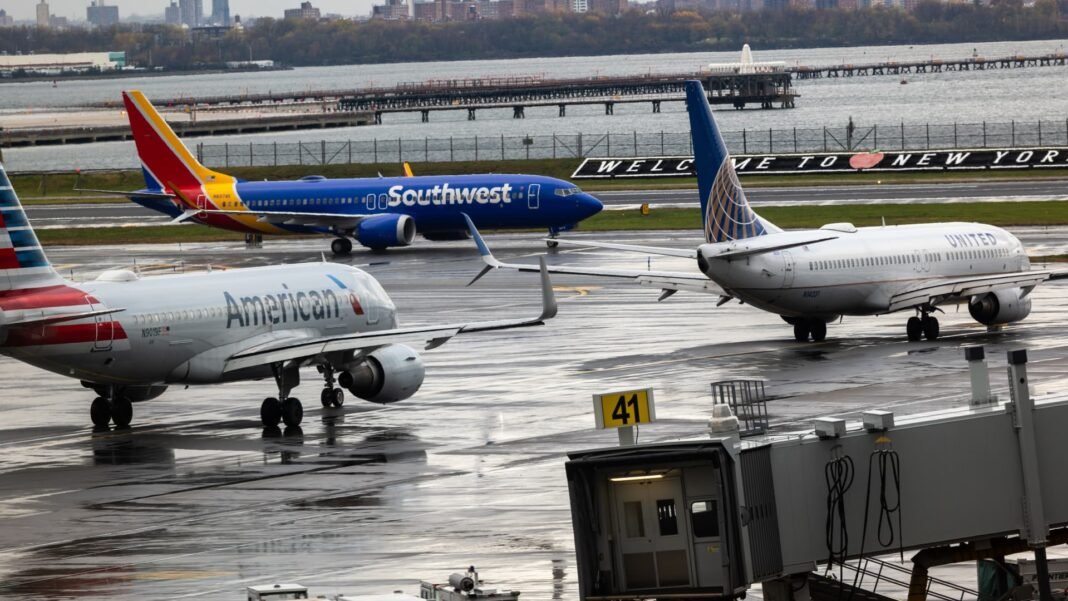
Airline Industry Forecast for 2026: Embracing Change Amid Challenges
Profit Trends Among U.S. airlines: Winners and Risks
Throughout the first nine months of 2025, Delta air Lines and United Airlines captured the lion’s share of profits within the U.S. airline sector, underscoring a widening gap in financial performance. This disparity is fueled by escalating operational expenses and shifting traveler behaviors, with wealthier passengers contributing an increasingly larger portion of overall revenue.
Looking ahead to 2026, carriers that depend heavily on price-sensitive economy travelers-notably low-cost airlines-may encounter greater vulnerability if consumer spending weakens amid economic uncertainty. In response, some budget airlines are recalibrating their strategies; as an example, JetBlue plans to launch a domestic business class next year featuring more spacious seating upfront that offers enhanced comfort without reaching the luxury level of its Mint suites.
The Uncertain Road Ahead for Spirit Airlines
Spirit Airlines faces ongoing financial turmoil as it navigates its second bankruptcy filing within twelve months.Complications such as a failed acquisition bid by JetBlue, technical issues with aircraft engines, rising costs, and other operational setbacks have cast serious doubts on Spirit’s ability to remain self-reliant.
Industry analysts widely anticipate that Spirit will either merge or cease operations within the coming year.Frontier Airlines remains the leading candidate for a merger after multiple attempts since 2022; however, discussions continue without definitive resolution.
Southwest’s Shift from Open Seating to Assigned Seats
Starting January 27, 2026, Southwest Airlines will retire its long-standing open seating policy in favor of assigned seats-a major transformation in its boarding process after decades of tradition. This move follows recent initiatives like introducing premium extra-legroom seats at higher prices and implementing checked baggage fees similar to those generating over $7 billion industry-wide in 2024 alone.
The market has reacted favorably to Southwest’s transition toward a more segmented service model supported by activist investor involvement. Its stock climbed nearly 23% during 2025-outperforming key competitors such as Delta and United along with broader market benchmarks.
Airfare Stability Amid Fluctuating Travel Demand
Projections from American Express Global Business Travel indicate airfare rates will remain largely unchanged throughout 2026 compared to last year’s figures.Despite travel rebounding following disruptions caused by an unprecedented government shutdown affecting air traffic control nationwide-the longest on record-uncertainty persists about whether passenger volumes will grow robustly or plateau next year.
Cautiously optimistic about early bookings but mindful of economic headwinds impacting consumer behavior is Southwest CEO Bob jordan who noted challenges remain when forecasting if performance can surpass previous years’ results.
The Growing Emphasis on Premium Passengers
Mainstream U.S. airlines are increasingly focusing efforts on travelers willing to pay extra for benefits like additional legroom seats, priority boarding privileges, or guaranteed overhead bin space-a scarce resource during peak travel times. Aviation consultant Robert Mann describes this growth as “the airline equivalent of a K-shaped economy,” where carriers maximize earnings from affluent customers while minimizing losses among budget-conscious flyers.
Tackling persistent Operational Challenges: Infrastructure & Reliability Issues
The aviation sector continues grappling with critical hurdles including shortages in air traffic controllers alongside aging airport infrastructure that limits efficiency at major hubs nationwide despite billions allocated through federal modernization programs spanning several years.
Recent data shows only about 77% of flights arrived within fifteen minutes of scheduled times over recent months-highlighting ongoing reliability problems affecting all passengers irrespective of ticket class or fare paid.“Delays impact everyone equally,” Mann emphasizes.“Whether flying first class or economy doesn’t matter when your flight is canceled.”
An Upscale Revamp at American Airlines
- Lounge enhancements: Expanding premium lounges across key airports designed for elevated comfort;
- Addition of Airbus A321XLR Aircraft: introducing extended-range planes enabling new international routes;
- Loyalty Program Upgrades: Launching complimentary inflight Wi-Fi early next year;
Aiming to capture growing demand for luxury experiences post-pandemic-with global luxury spending surpassing $1 trillion annually-American has also introduced Lavazza coffee onboard all flights plus Bollinger Champagne exclusively available in premium cabins and lounges-all intended to boost brand prestige closer toward rivals Delta and United’s profitability levels.
Evolving Loyalty Programs Affect Frequent Flyers
This holiday season saw American discontinue awarding frequent flyer miles on basic economy tickets-a tactic previously adopted by Delta-to encourage upgrades among cost-conscious travelers seeking rewards benefits.
Additionally,“status thresholds”, which determine elite member qualifications remain under review amid competitive pressures after both Delta and United announced no changes planned through early-2027 cycles.
Operational improvements include increasing flight banks at Dallas Fort Worth International Airport hub from nine clusters up to thirteen along with pilot programs testing self-scanning electronic gates aimed at speeding boarding processes while removing gate-side bag sizers later this fall-all designed toward smoother passenger flow management going forward.

“Success in tomorrow’s airline industry belongs to those who swiftly adapt while preserving service excellence amidst rising costs,” reflects current expert sentiment.”
Pioneering International Growth & Passenger Experience Innovations
Beyond domestic transformations lies continued investment into expanding global connectivity-with several carriers unveiling new transatlantic routes linking secondary cities previously underserved-and upgrading airport lounges featuring wellness zones equipped with sleep pods plus gourmet dining options tailored specifically toward high-spending clientele seeking refuge between flights during long layovers worldwide at hubs like London Heathrow or Tokyo Narita Airport alike.