Cricket Amidst Political Strife: The Growing Impact on South Asian Sports
Mustafizur Rahman’s IPL Exit: A Political Interruption
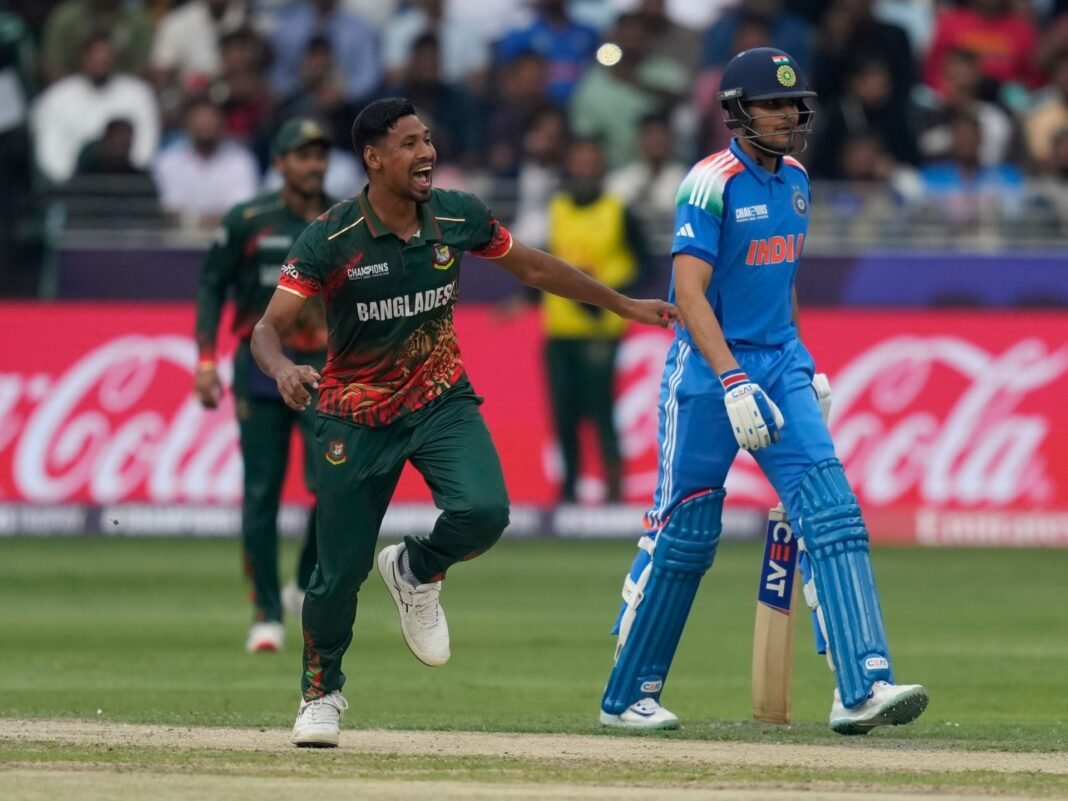
In the early months of 2026, Mustafizur Rahman, Bangladesh’s prominent fast bowler and sole representative in the Indian Premier League (IPL), saw his season cut short before it began. The kolkata Knight Riders (KKR), owned by Red Chillies Entertainment and linked to Bollywood superstar Shah Rukh Khan, were forced to release him following a directive from the Board of Control for Cricket in India (BCCI).
This move was unrelated to any injury or performance concerns.Instead, it reflected mounting political tensions between India and Bangladesh after former Bangladeshi Prime Minister Sheikh Hasina sought asylum in New delhi in August 2024-a development that triggered diplomatic unease.
The Ripple Effect: From IPL Departure to PSL Signing and Diplomatic Strains
After being released without compensation due to non-injury reasons, Mustafizur quickly joined the Pakistan Super League (PSL), marking his return after an eight-year absence. This transfer sparked strong objections from the Bangladesh Cricket Board (BCB), which accused BCCI of discriminatory interference.
The fallout extended beyond cricket when Bangladesh imposed a nationwide ban on IPL broadcasts-an unusual political step highlighting cricket’s deep emotional resonance across South Asia. Dhaka also appealed to the International Cricket Council (ICC) requesting relocation of its matches scheduled in India for the ICC Men’s T20 World Cup 2026 over security fears.
Despite these efforts,Bangladesh’s fixtures remain set for Indian venues like Kolkata and Mumbai amid ongoing diplomatic friction.
Diverse opinions Within India on Mixing Politics with Sport
The controversy ignited debate within India itself. BJP leader Navneet Rana advocated boycotting Bangladeshi cricketers citing reports of minority oppression in Bangladesh. In contrast, Congress politician Shashi Tharoor warned against politicizing sports or punishing athletes due to geopolitical conflicts.
India’s cricketing Influence as a Geopolitical Tool
this episode exemplifies a broader pattern where cricket transcends sport into an arena reflecting regional power struggles. The BCCI stands as cricket’s wealthiest governing body globally; India’s market accounts for nearly 80% of worldwide cricket revenue as per recent estimates.
The ICC presidency held by Jay Shah-son of India’s Home Minister Amit Shah-and control over lucrative tournaments like IPL enhance India’s sway over international scheduling, venue selection, and financial distribution within global cricket governance.
Tensions Escalate Between india and Bangladesh Amid Political Upheaval
souring relations followed Sheikh Hasina’s exile amid violent protests that resulted in approximately 1,400 fatalities according to UN data. Her subsequent death sentence issued by a Dhaka tribunal intensified hostility after New Delhi granted her asylum rather of extradition-a decision fueling anti-India sentiment exacerbated by attacks targeting religious minorities such as Hindus within Bangladesh.
Cultural Reactions Within Indian Media Circles
Indian journalists criticized BCCI’s stance; senior commentator Vir Sanghvi described it as succumbing to communal pressures rather than upholding meritocracy.He cautioned that politicizing sport risks damaging India’s regional credibility while Suhasini Haidar highlighted how social media campaigns overshadowed diplomatic efforts despite recent high-level visits between officials from both countries.
The Asia Cup Dispute: Reflecting Indo-Pak Hostilities Through Sport
The September 2025 Asia Cup hosted mainly by Pakistan became another flashpoint when India declined government approval for its team’s travel there citing security concerns.Consequently, matches involving India were shifted to neutral venues in the United Arab Emirates while other games proceeded on Pakistani soil under a hybrid hosting arrangement.
- Lack of Sportsmanship: During three intense encounters between India and Pakistan-all won by India-players notably refrained from traditional gestures such as handshakes or assisting opponents.
This break from customary sportsmanship symbolized growing animosity spilling onto fields once seen as bridges fostering goodwill between nations. - Trophy Controversy: After the tournament concluded, India’s refusal to accept the trophy from ACC President Mohsin Naqvi-also Pakistan’s Interior Minister-left it unclaimed at ACC headquarters indefinitely despite repeated negotiations.
This unprecedented deadlock underscores how political discord now eclipses sporting camaraderie even at continental levels.
A Shift From Harmony To Division In South Asian Cricket Relations
Bilateral ties between India and Bangladesh traditionally remained more stable compared with Indo-Pak relations; cross-border series continued during diplomatic strains while bangladeshi players regularly participated in IPL squads without incident until recently.mustafizur Rahman’s case marks a notable fracture signaling increasing politicization within regional sports exchanges once used effectively for peacebuilding diplomacy:
“Winning matches is significant-but winning hearts matters more.” This mantra famously engraved on Sourav Ganguly’s bat during India’s historic 2004 tour of Pakistan post-Kargil conflict exemplified how cricket once bridged divides through goodwill gestures including special visas enabling thousands of fans’ cross-border travel.”
This spirit has diminished following events such as:
- Bilateral ties freezing after terrorist attacks traced back across borders;
- Cautious rapprochement during high-profile World Cup semifinals jointly watched by prime ministers;
- An increasing trend toward exclusionary policies driven more by nationalism than sporting merit;
- A rising risk that politicization alienates players who are apolitical professionals dedicated solely to their craft;
cautionary Insights On Sporting Fairness And Regional Trustworthiness
Nishant Kapoor emphasized that terminating player contracts based solely on geopolitical factors undermines trust within international cricket communities:
“Mustafizur Rahman is foremost an athlete – penalizing him because he represents another nation damages both fairness principles inherent in sport plus broader regional cooperation.”
A Call For reflection: Can Cricket Restore Its Role As A Unifying Force?
The unfolding scenario raises urgent questions about whether South Asian countries can separate politics from their shared passion or if surging nationalism will continue fracturing what was once one continent-wide language spoken fluently through leather balls striking willow bats.Cricket remains deeply woven into cultural fabric but faces unprecedented challenges balancing diplomacy alongside competitive zeal amid evolving geopolitical realities.< /strong >