The Revival of Nuclear Power: Navigating Challenges and Unlocking Potential
Compact Reactors Ushering in a New Era for Nuclear Energy
The nuclear power industry is witnessing a remarkable resurgence, driven by the modernization of outdated facilities and a surge in capital flowing to pioneering startups. In the closing months of 2025 alone, emerging nuclear ventures attracted investments exceeding $1.1 billion, reflecting growing optimism that smaller-scale reactors can address the setbacks faced by traditional large plants.
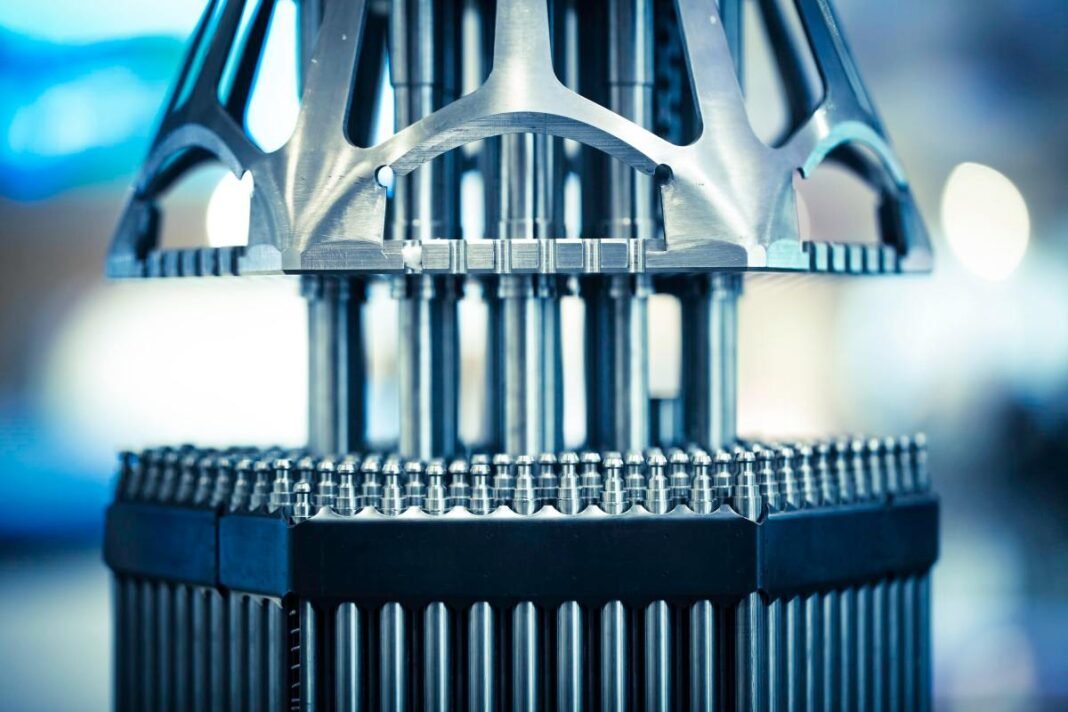
Traditional nuclear facilities are massive engineering feats.Such as,the Vogtle Units 3 and 4 reactors in Georgia each generate over one gigawatt (GW) of electricity and involve enormous quantities of concrete and fuel assemblies nearly 14 feet tall. Yet these projects encountered significant delays-stretching eight years beyond schedule-and cost overruns surpassing $20 billion.
Modular Reactor Production: Benefits Coupled with Complexities
Startups are pursuing an alternative path by developing small modular reactors (SMRs) designed for mass production.This modular strategy allows utilities to scale capacity incrementally by adding units rather than constructing new colossal plants from scratch. The approach promises cost efficiencies through standardized manufacturing processes and ongoing design improvements.
While experts continue debating the magnitude of potential savings, current initiatives remain confident that this model will yield favorable economic outcomes over time.
Manufacturing Hurdles beyond Engineering Design
The journey toward efficient SMR production is fraught with challenges reminiscent of Tesla’s struggles scaling model 3 output-demonstrating how even established industries face obstacles when expanding complex manufacturing operations rapidly.
The United States once lead global production for nuclear components but now grapples with supply chain deficiencies after decades without domestic fabrication capabilities for critical reactor materials. Many essential parts must be imported as their local manufacture has diminished or vanished entirely.
A Workforce Gap Threatening Industrial Expansion
A significant constraint lies not only in funding but also in skilled labor capable of building and operating advanced factories-a shortage worsened by nearly forty years without major industrial facility advancement across the country.
“Its like trying to run a marathon after sitting idle for years; we lack both hands-on experience and institutional memory,” explained an industry insider familiar with supply chain challenges.
This deficit extends beyond factory workers to include supervisors, engineers, financial managers, and executives-all crucial roles needed to sustain large-scale manufacturing ecosystems effectively.
Fostering domestic Expertise Through Proximity
A promising trend sees many startups locating prototype assembly near their engineering hubs within the U.S., enabling rapid iteration cycles that improve product quality while gradually restoring domestic manufacturing know-how.
Laying Foundations: Starting Small on the Road to Mass Production Success
- Modularity: Utilizing modular designs facilitates manageable early-stage production volumes while gathering valuable insights into process optimization;
- Investor Assurance: Demonstrated progress through iterative development builds confidence among investors regarding long-term cost reduction potential;
- Pace Expectations: Realizing substantial economies typically demands sustained effort spanning multiple years or even decades rather than immediate breakthroughs;
- Sustainable Scaling: Gradual expansion enables refinement before committing extensive resources toward full-scale deployment efforts.
A Long-Term Commitment Toward Cost-Effective SMRs
The journey toward affordable mass-produced SMRs is expected to take at least ten years as companies accumulate operational expertise-a timeline consistent with other cutting-edge technologies where initial forecasts often underestimate complexities involved in scaling efficiently at industrial levels.
Nuclear Power’s Strategic role Amid Global energy Shifts
This revival aligns with rising worldwide demand for dependable low-carbon energy amid intensifying climate concerns; recent statistics indicate nuclear energy contributes roughly 10% of global electricity generation yet remains underleveraged compared to renewables such as wind or solar alone despite its carbon-free advantages.
“Small modular reactors have strong potential as key elements within diversified clean energy portfolios,” observed analysts monitoring policy shifts across North America and Europe where governments increasingly support advanced nuclear innovation.”
An Industry Reborn Through Innovation and Determination
Nuclear startups today confront formidable obstacles-from reconstructing lost supply chains domestically to cultivating skilled workforces adept at managing modern factories-but their endeavors mark vital progress toward revitalizing an industry essential for meeting enterprising decarbonization targets globally while ensuring reliable baseload power well into future decades.