Government Social Media Sparks Controversy Over Extremist Symbolism
National Debate Ignited by Provocative Imagery
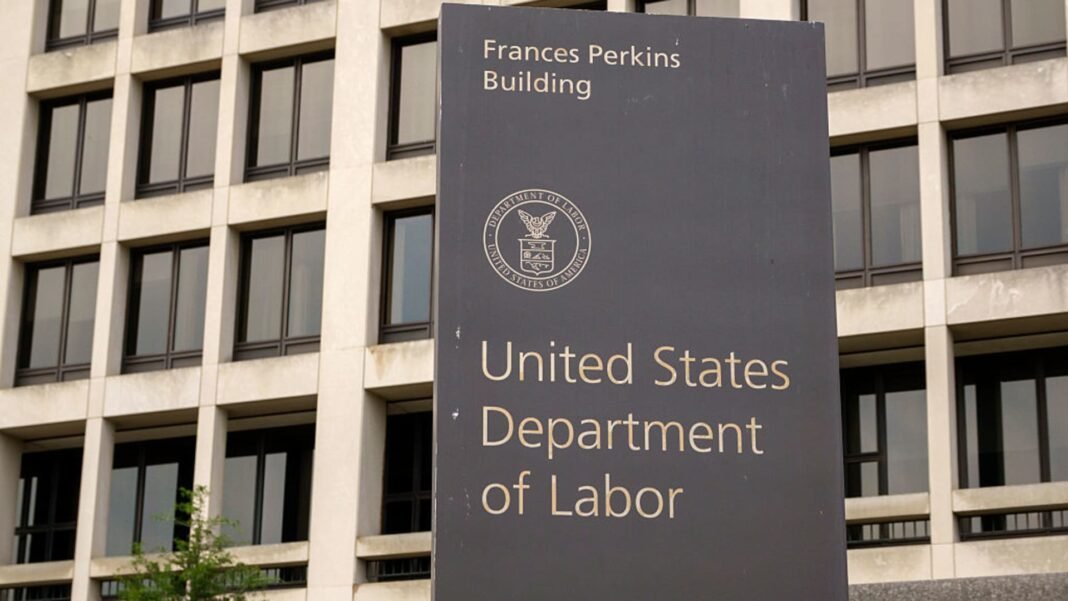
A recent social media video posted by the Department of Labor has triggered intense public discussion regarding the use of language adn imagery reminiscent of far-right extremist ideologies. The clip showcased a swift sequence of patriotic visuals, prominently featuring a statue of George Washington alongside the phrase: “One Homeland.One People.One Heritage. Remember who you are, American.”
This slogan quickly drew scrutiny for its resemblance too historically charged mottos, notably evoking echoes of the Nazi Party’s infamous phrase “Ein Volk, ein Reich, ein Führer,” meaning “One People, One Nation, One leader.” Even though not identical in wording, many commentators observed notable similarities in tone and underlying message.
The influence of Language on National Identity
The wording employed suggests an exclusive “in-group” identity that implicitly marginalizes others-a rhetorical strategy frequently utilized by nationalist movements worldwide. This approach risks deepening societal fractures by promoting a narrowly defined vision of unity based on exclusion rather than embracing America’s rich multicultural fabric.
Experts Highlight Risks behind Messaging Patterns
Researchers specializing in political extremism urge caution but acknowledge concerning trends. Bill Braniff from American University’s Polarization & Extremism Research Lab pointed out how such posts reinforce divisive narratives centered on a singular “heritage,” which conflicts with the nation’s immigrant roots and diversity.
Jon Lewis at George Washington university noted that repeated occurrences make it difficult to dismiss these communications as accidental or subtle hints; rather they increasingly resemble overt signals aligned with white supremacist rhetoric.
A Recurring Theme Across Government platforms
This incident is part of a broader pattern where official social media accounts have faced criticism for content perceived as sympathetic to far-right ideologies:
- The White House once shared an AI-generated image depicting two dog sleds at a crossroads labeled “Which way Greenland man?”-a phrase critics linked to white nationalist literature advocating racial purity narratives.
- The Department of Homeland Security circulated recruitment materials captioned “Which way, American man?” echoing slogans popular among extremist groups seeking to appeal to traditionalist masculinity themes.
- A Labor Department post featured former President Donald Trump saluting beneath the words “trust the plan,” terminology widely associated with QAnon conspiracy theories spreading misinformation online.
- DHS also promoted ICE recruitment images containing phrases like “We’ll have our home again,” which bear historical connections to neo-Nazi cultural references through similarly titled songs and poems used within those circles.
Public Reaction and Official Denials
Government representatives have dismissed allegations linking these posts directly to extremist agendas as politically motivated exaggerations.conversely, labor unions and civil rights organizations warn that such messaging normalizes white supremacist ideas under official government banners-raising serious concerns about institutional complicity in spreading divisive ideology.
The Amplifying Effect of Social Media Reach
The controversial Labor Department video garnered nearly 23 million views on X (formerly Twitter), ranking among their most viewed content ever posted. This extensive reach highlights how provocative messaging can resonate deeply or provoke strong backlash across diverse online audiences worldwide-with over 450 million active users engaging daily on this platform alone as of early 2024.
Nostalgia Intertwined With Nationalistic visuals Online
A common tactic involves sharing vintage-style propaganda reminiscent posters paired with idealized portrayals celebrating Americana-frequently enough spotlighting predominantly white figures rendered through AI art or classical paintings.
For instance:
- DHS faced backlash after using artwork inspired by Norman Rockwell without authorization; his family publicly condemned its appropriation for anti-immigrant campaigns targeting communities of colour.
An Emerging Trend Recognized Within Extremist Circles
This growing openness toward symbols favored by neo-Nazi groups has been acknowledged even within extremist communities themselves.
Braniff remarks this shift reflects both increased frequency and boldness surrounding government communications:
“At this stage it appears quite intentional.”
Historical Parallels: Authoritarian Messaging Revisited
The revival or adaptation of slogans historically tied to fascist regimes demonstrates how language can be weaponized across eras.
Globally,authoritarian governments have previously combined nostalgic imagery with exclusionary rhetoric during periods preceding conflict or repression-signaling perilous societal shifts driven more by identity politics than democratic principles or inclusivity values.
Pursuing Transparency And Duty In Public Communication
Civic groups emphasize vigilance over official messages disseminated via government-controlled social media channels.
They advocate transparency around content creation processes while urging clear safeguards against state endorsement-or inadvertent promotion-of divisive ideologies masquerading as patriotic expression.
As digital platforms continue shaping public discourse globally-with X alone hosting hundreds of millions daily users-the imperative remains high for fostering inclusive narratives reflecting America’s pluralistic heritage rather than narrow supremacy-based worldviews.