Intense Heatwave Fuels Devastating Wildfires Across Central and Southern Chile
Massive Damage and Increasing Fatalities Amid Blaze Outbreaks
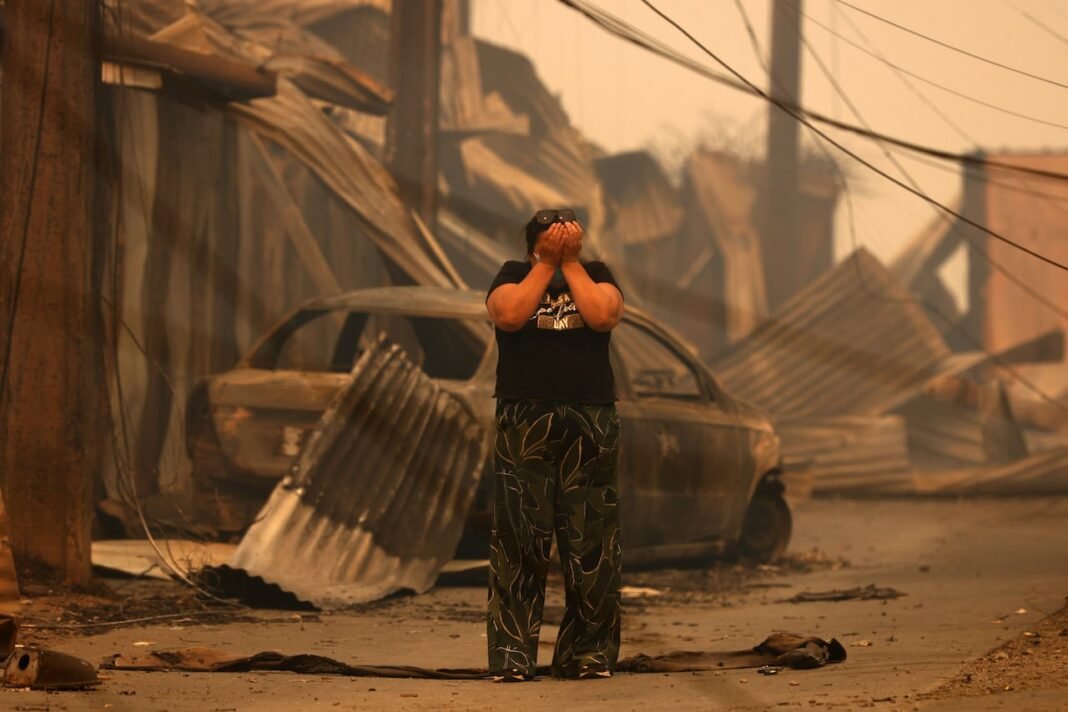
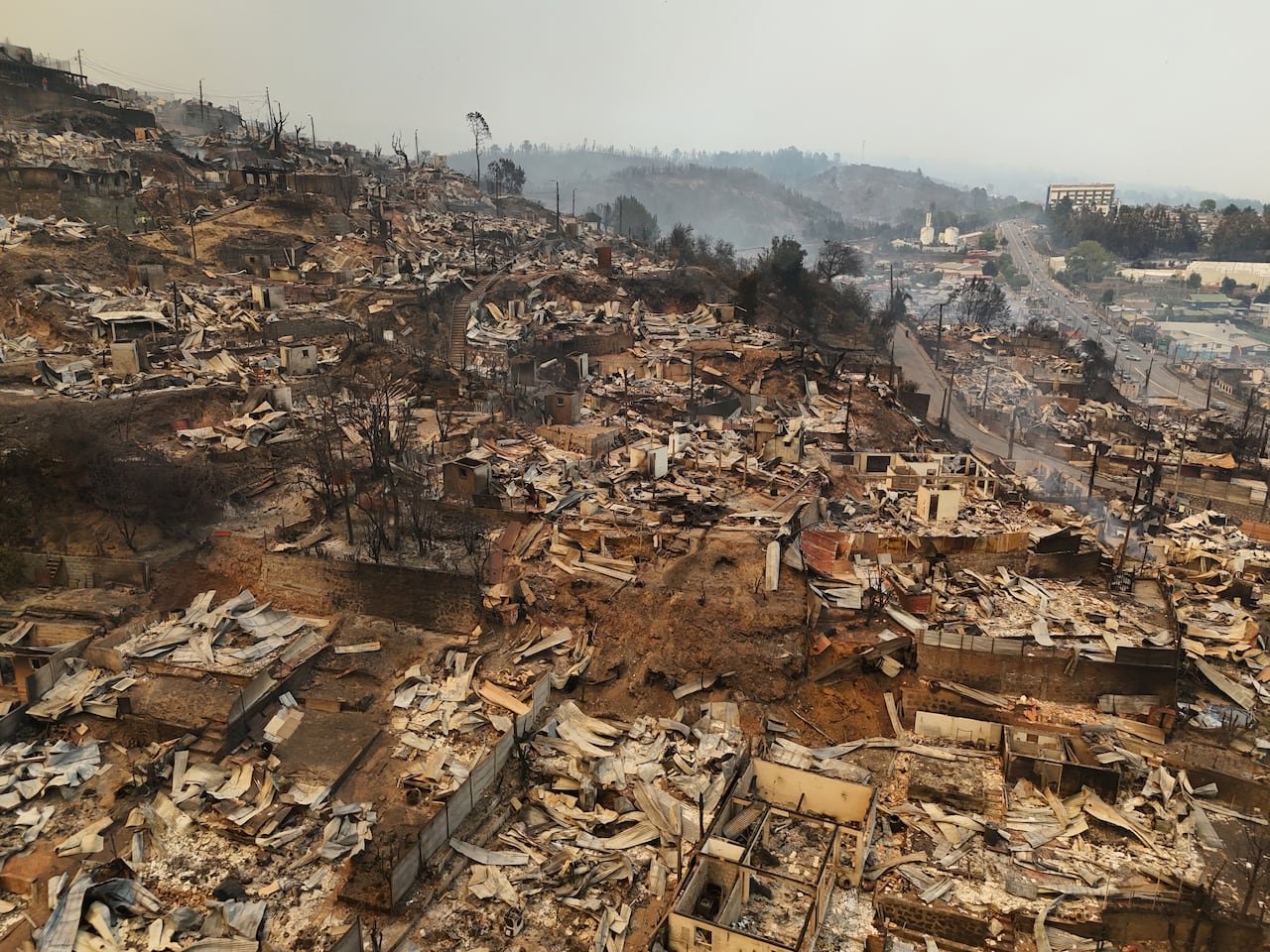
Chile is grappling with catastrophic wildfires raging through its central and southern territories, resulting in at least 18 confirmed deaths. Thousands of hectares of forestland have been engulfed by flames, while hundreds of homes have been destroyed. The ongoing severe heatwave has intensified the fires’ spread, severely straining firefighting resources.
Emergency Measures Activated to Address Worsening Situation
The government has declared a state of catastrophe in the Biobío and Ñuble regions-areas situated roughly 500 kilometers south of Santiago. This declaration allows for temporary suspension of certain constitutional rights and enables increased military involvement to support firefighting operations against more then twenty active blazes that have scorched over 8,500 hectares (approximately 21,000 acres), according to forestry authorities.
Community Concerns Over Delayed Emergency Response
local officials and residents have voiced frustration regarding slow governmental assistance amid rapidly advancing fires. The mayor of Penco-a coastal town severely impacted-expressed on local broadcasts how his community endured hours without visible aid as flames closed in. These delays underscore the difficulties emergency teams face when battling disasters under extreme weather conditions.
The Human Toll: Evacuations Amid Nighttime Infernos
The sudden onset of these fires caught manny off guard during nighttime hours, forcing urgent evacuations through thick smoke illuminated by fiery glows. One resident from Penco shared how locals initially underestimated the fire’s reach, assuming it would stop at forest edges; instead, it quickly escalated beyond control. Another recounted fleeing with children through darkness as homes, vehicles, schools, and places of worship were consumed by fire.
“We fled with our children in complete darkness,” said Juan Lagos from Penco. “The blaze wiped out nearly everything we had.”
Tragically, charred remains found scattered along roadsides highlight the profound human cost extending beyond material destruction within these communities.
Firefighters Confront Extreme Weather Challenges
Battling temperatures soaring above 38°C (100°F) combined with strong winds that accelerate fire spread presents formidable obstacles for emergency crews. Interior Minister Álvaro Elizalde cautioned that such harsh weather conditions are expected to persist over coming days-further complicating containment efforts across affected zones.

A Recurring Crisis Amplified by Climate Change Trends
The wildfire season in chile typically peaks during summer months when drought intensifies; however recent years reveal unprecedented severity linked to prolonged dry spells influenced by shifting climate patterns affecting regional rainfall distribution. In just early 2024 alone, wildfires along Chile’s central coast claimed over 130 lives-the deadliest natural disaster since the devastating earthquake in 2010.
Cascading Effects Across Borders: Argentina Faces Similar Threats
This wildfire emergency extends into neighboring Argentina where Patagonia’s southern forests are also experiencing intense blazes amid comparable hot and arid conditions this season. These parallel crises highlight increasing vulnerability throughout South America’s temperate zones due to evolving climate dynamics impacting ecosystems across national boundaries.
Strategies for Mitigating Future Wildfire Risks
- Advanced Early Warning Systems: Deploying enhanced real-time monitoring technologies can provide critical led time for evacuation orders before fires escalate uncontrollably.
- sustainable Forest Practices: Conducting controlled burns during low-risk periods helps reduce accumulated fuel loads that contribute to catastrophic wildfires later on.
- Crisis Response Coordination: Strengthening partnerships between civil agencies and military units ensures rapid deployment where emergencies demand immediate action.
- Community education & Preparedness: Informing residents about evacuation procedures minimizes casualties when disasters strike unexpectedly or under poor visibility conditions such as nighttime or heavy smoke cover.
This ongoing wildfire crisis underscores an urgent need for adaptive strategies focused on resilience-not only protecting fragile ecosystems but also safeguarding vulnerable populations residing near forested areas prone to increasingly frequent hazards worldwide today-and even more so tomorrow.