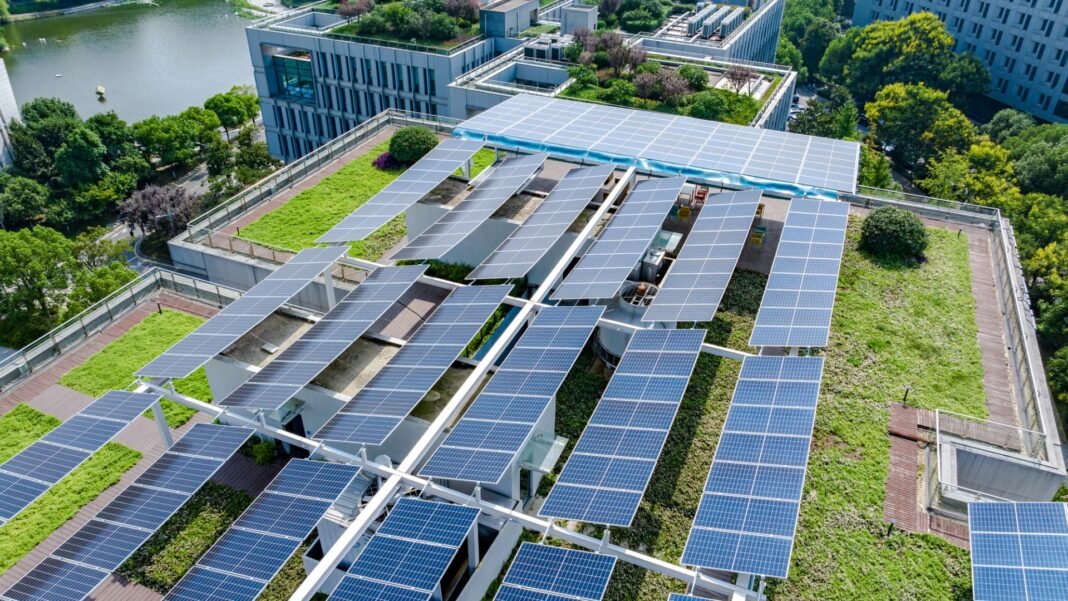
Commercial Property Assessed Clean Energy (C-PACE): Revolutionizing Real Estate Financing
The Growing Influence of C-PACE in Commercial Real Estate
Over the past decade, commercial Property Assessed Clean Energy (C-PACE) financing has rapidly become a preferred method for commercial property owners seeking to fund substantial upgrades. Thes enhancements typically target energy efficiency improvements, water conservation, renewable energy integration, and increased resilience against climate-related threats. Despite an habitat marked by rising interest rates and economic unpredictability, C-PACE continues to stand out as a robust financing alternative that supports long-term property value growth.
Understanding the Unique Mechanics of C-PACE Financing
C-PACE loans differ fundamentally from conventional bank loans because they are enabled through state legislation empowering local governments to provide this funding option. Instead of conventional repayment schedules, loan amounts are appended directly to the property’s tax bill and repaid over extended periods-often 20 to 30 years-with fixed interest rates. This approach lowers initial financial burdens for owners while enhancing asset worth through operational cost savings.
Beyond Sustainability: Operational Efficiency and Resilience Gains
While reducing carbon footprints remains a core benefit-recent portfolios have contributed to cutting over 350,000 metric tons of CO2 emissions-the advantages of C-PACE extend well beyond environmental impact alone.Many projects emphasize improving building performance and fortifying structures against natural disasters such as hurricanes or wildfires. For example, recent upgrades in Miami included flood-resistant infrastructure funded via C-PACE that substantially reduced insurance premiums while protecting assets from storm damage.
A Nationwide Surge in Adoption Across Diverse Markets
The expansion of C-PACE programs has been remarkable since their inception; where only six states had active initiatives in 2015, now more than 40 states have enacted enabling legislation with at least 32 running active programs as of mid-2024. Total investments funneled through these channels have neared $12 billion nationwide-a figure projected to accelerate as awareness grows among developers and investors alike.
Landmark Transactions Highlight Market Confidence
This year witnessed record-breaking deals exemplifying trust in the market’s potential: a $520 million transaction transformed an aging office complex into mixed-use residential space powered by clean technologies in Seattle-the largest deal recorded globally under C-PACE financing terms so far.
Simultaneously occurring, Denver’s newly renovated Convention Center hotel secured $310 million via C-PACE funds focused on sustainability-driven hospitality improvements-marking one of colorado’s moast significant uses of this innovative capital source.
C-PACE Amid Tightening Credit Conditions: A Strategic Alternative
The current credit environment is characterized by persistently high interest rates that have tightened traditional commercial real estate lending channels; banks still dominate roughly half the market but exhibit greater caution toward new developments or refinancing efforts.
C-PACE offers institutional investors access to long-term fixed-rate returns backed by senior tax liens on properties rather than relying solely on borrower credit profiles-making it an appealing risk-adjusted investment during uncertain economic cycles.
Diverse Applications Supporting Varied Project Needs
- Post-Project Financing: Some borrowers leverage retroactive loans after completing renovations-for instance, Horizon Group recently secured $185 million refinancing for upgrades at Phoenix’s Grand Vista Mall finalized earlier this year using this method efficiently consolidating debt obligations.
- Energizing local Economies: By filling capital gaps where banks hesitate-especially amid volatile markets impacting multifamily housing or commercial construction projects-C-PACE acts both as rescue funding and growth catalyst within communities nationwide.
- Securitization Potential: Companies like GreenStone Capital bundle these loans into securities attractive to pension funds seeking stable income streams tied directly to sustainable real estate assets enhanced through energy-saving measures.
The Road Ahead: Policy Support & Investor Momentum Driving Growth
The future trajectory for C P A C E financing depends heavily on three pillars: expanding state-level program adoption; increasing education about its benefits among property stakeholders; and growing participation from institutional investors drawn by improved risk-return profiles associated with these offerings.
“Nearly all our financed projects focus primarily on boosting energy efficiency or enhancing climate resilience rather than just installing renewable systems,” noted industry leaders.
“This pragmatic approach aligns with reducing operating costs while preparing buildings for evolving environmental challenges.”
This dynamic evolution signals that commercial real estate players will increasingly embrace innovative financial tools like C P A C E financing , which harmonize sustainability objectives with sound economic incentives amid shifting global market conditions.