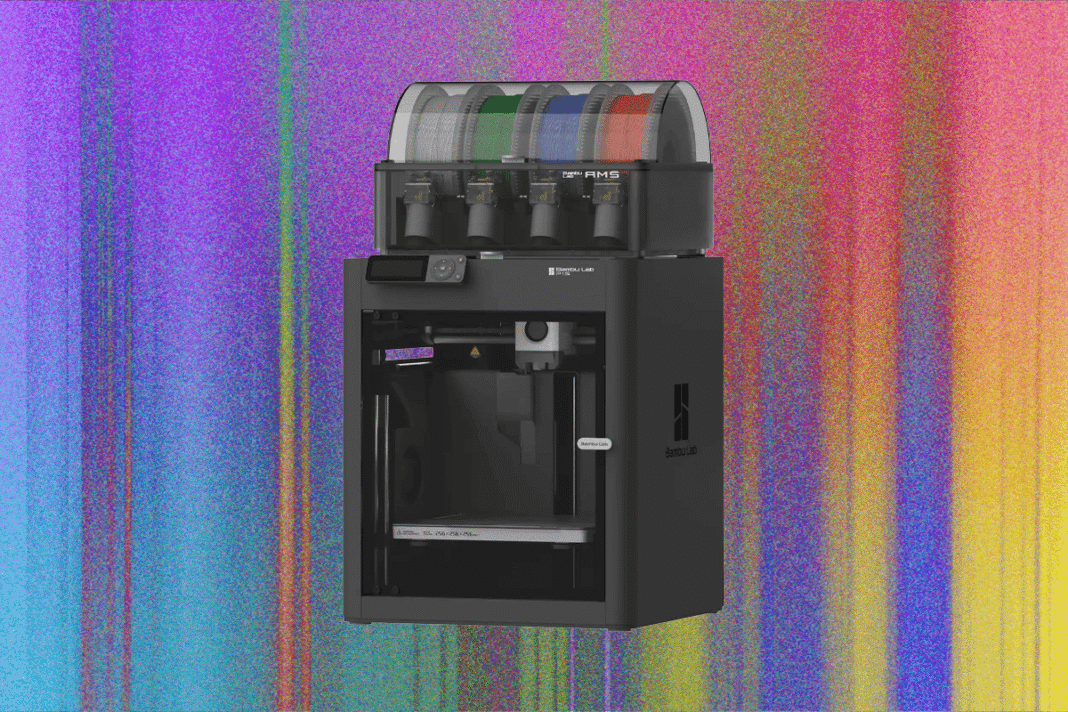
Enhancing Your 3D Printing Workflow with the Bambu P1S
Innovative Filament Waste Management Techniques
One frequent hurdle for 3D printing hobbyists is handling filament remnants, often humorously dubbed a “poop chute.” This mechanism directs surplus filament away from the print zone to simplify cleanup. Instead of integrating such a feature, I chose a practical option by positioning an empty filament box behind my printer to collect stray strands efficiently.
Advanced Bed Calibration and Maintenance Features
The Bambu P1S stands out with its fully automated bed leveling system that meticulously scans the build platform in a grid before each print job. It promptly notifies users if it detects any obstructions like leftover supports or misplaced tools on the bed surface. Unlike many printers requiring manual checks after auto-leveling-which can disrupt workflow-the P1S has consistently maintained flawless calibration over several weeks without user intervention. Furthermore, it autonomously cleans its nozzle and performs scheduled re-leveling, considerably reducing setup time and maintenance efforts.
The Benefits of Integrating the AMS Multi-Filament System
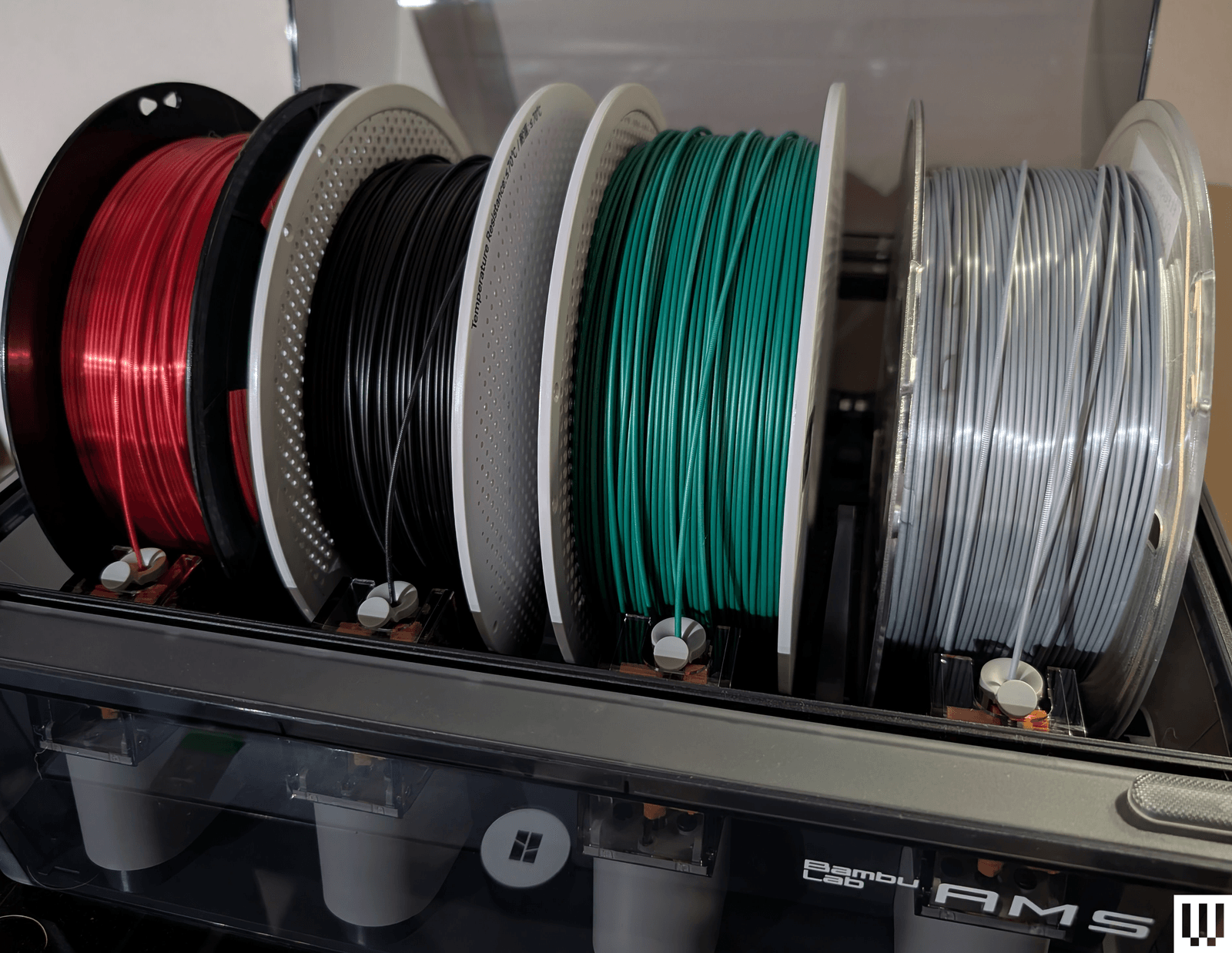
While purchasing the Bambu P1S alone is an option, opting for the bundle featuring the Automatic Material System (AMS) unlocks substantial advantages. Initially drawn by its promise of vibrant multi-color prints, I soon realized that its greatest value lies in streamlining filament management during intricate projects rather than just color variety.
Navigating Color Transitions and Material Purging Challenges
Switching filaments mid-print necessitates purging excess material through small coils extruded off to one side to avoid layer inconsistencies along vertical layers (Z-axis). This process inevitably results in wasted plastic and extended print durations due to additional purge towers required for clean transitions between colors or materials.
I noticed thes purge coils were frequently longer than necessary when changing colors; by adjusting parameters within Bambu Studio software, I successfully shortened their length-though outcomes may differ depending on specific models and slicing configurations.
Simplifying Filament Changes Through AMS Automation
Tackling complex multi-color prints manually demands precise timing: heating nozzles, retracting old filament fully, inserting new spools untill smooth extrusion resumes, correctly placing spools on holders, then purging residual material before continuing printing-all steps prone to error and downtime.
The AMS automates this entire procedure seamlessly: multiple filaments are loaded onto rollers beforehand; users select desired colors within slicer software for different project segments; then the system independently manages heating cycles and purges as needed without requiring hands-on adjustments during active printing sessions.
A Data-Informed Approach to Print Waste Reduction
“Analyzing discarded filament from my printer initially felt unusual but proved essential for optimizing settings.”
This honest reflection underscores how closely monitoring waste output can guide smarter configuration choices-ultimately enhancing efficiency while minimizing needless plastic consumption across numerous prints.
Final Thoughts: Combining Efficiency with High-Caliber Results
The synergy between dependable auto-leveling capabilities and intelligent multi-filament handling positions the Bambu P1S as an outstanding option both for newcomers seeking straightforward operation and seasoned creators aiming to boost productivity without compromising print quality or color complexity.
- Bamboo-like accuracy: Automated bed scanning guarantees consistent first layers every time without frequent manual recalibration common among other printers.
- lasting practices: Insights gained from waste analysis contribute significantly toward lowering plastic usage linked with color changes over multiple projects.
- User-kind automation: The AMS minimizes downtime caused by spool swaps while enabling creative freedom across diverse materials and hues effortlessly.