Immigration Enforcement in Minneapolis: Navigating Complexity and Controversy
Revised ICE Tactics amid Heightened Community Strain
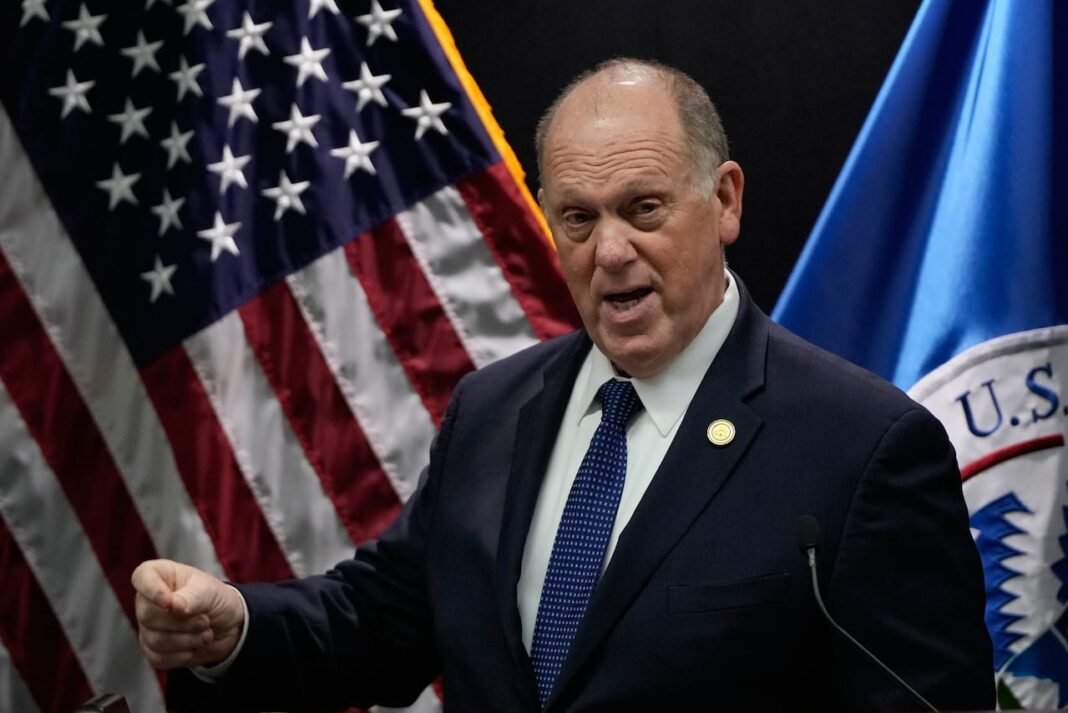
The leadership of Immigration and Customs Enforcement (ICE) in Minneapolis has shifted its approach, emphasizing cooperation with local and state officials as a prerequisite for any reduction in federal personnel. The focus now centers on apprehending undocumented immigrants with criminal histories rather than conducting widespread raids.
This strategic pivot comes after weeks of intense clashes between immigration agents and demonstrators, which tragically culminated in the deaths of two U.S. citizens within days.These events have prompted federal authorities to reconsider their enforcement methods amid growing public safety concerns.
Engagement with Local Authorities to Ease Tensions
upon arrival, ICE leadership reported constructive discussions with city representatives despite differing perspectives on immigration policy. They underscored that clear communication is vital for addressing the multifaceted challenges surrounding enforcement operations.
An internal directive now instructs officers to avoid unnecessary confrontations with protesters or agitators,aiming to reduce escalation risks following accusations that agents were conducting random street stops demanding proof of legal status without cause.
Community Impact: Fear Among Minneapolis’ Immigrant Populations
The intensified federal presence has unsettled many neighborhoods across Minneapolis, particularly affecting immigrant communities such as the Hmong-American population. recent enforcement actions have amplified fears among residents who perceive themselves as targets rather than protected members of society.
The Role of Political Discourse in Deepening Divides
Despite some officials advocating de-escalation, inflammatory remarks from national leaders have exacerbated tensions. Criticism directed at local government figures for resisting federal involvement has fueled polarization within the city’s political landscape.
A notable incident involved an attack on Congresswoman Ilhan Omar during a public event; while her supporters expressed alarm over safety concerns, some political figures dismissed the assault as fabricated. The assailant had previously posted racially charged content online and voiced support for divisive rhetoric,illustrating how political polarization intersects dangerously with community security issues.
“Operation Metro Surge”: A Controversial Federal Deployment
The arrival of roughly 3,000 heavily armed ICE and Border Patrol agents under “Operation Metro Surge” placed important strain on local law enforcement resources while igniting widespread protests throughout the Twin Cities area. This surge followed two fatal shootings involving ICE personnel: Renee Good was killed during a traffic encounter; shortly after, Alex Pretti-an ICU nurse legally carrying a firearm-was fatally shot amid another confrontation.
Minnesota police departments highlighted their contrasting record by noting zero officer-involved shootings occurred statewide throughout 2025 despite ongoing unrest linked to these federal operations.
Court Compliance Issues Highlighted by Judiciary
Minnesota’s chief U.S.District Judge Patrick Schiltz disclosed that ICE violated at least 96 court orders across 74 cases related to detentions and deportations-a figure believed to be conservative given ongoing agency noncompliance issues. Even though contempt proceedings were temporarily paused following improved compliance regarding one detainee’s release, future violations could prompt stricter judicial sanctions against agency leaders.
Accountability Demands intensify Following Fatalities
The deaths of Renee good and Alex Pretti sparked fierce debate over official claims labeling protesters as “domestic terrorists.” Video evidence contradicts assertions made by Department of Homeland Security officials about threats posed during these incidents; instead showing peaceful or non-threatening behavior before lethal force was applied against both individuals.
“multiple witness videos reveal Alex Pretti being restrained prior to shots fired from behind while he held only his phone-not a weapon-as initially claimed.”

An agent confiscated Pretti’s legally owned handgun seconds before another officer fatally shot him from behind while he was pinned down-a fact corroborated by multiple video sources but not yet fully addressed through criminal investigations at the federal level.
The Justice Department declined calls earlier this year for civil rights investigations into Good’s death despite viral footage challenging official narratives.
Minnesota Governor Tim Walz confirmed that Pretti complied fully with state firearm laws when carrying his permit-authorized weapon during the incident.
evolving political Landscape Amid Ongoing Crisis
Minnesota approaches critical elections as Governor Walz nears term completion; Senator Amy Klobuchar recently announced her gubernatorial bid focusing on reforming immigration enforcement funding based on agency conduct reviews.“Minnesotans deserve leadership committed not only to opposing harmful policies but also fostering common ground,” she stated publicly-reflecting broad calls within her party for balanced solutions amidst turmoil.”
- Tensions persist: Community organizations continue peaceful demonstrations advocating immigrant rights alongside demands for justice reforms following recent fatalities linked directly or indirectly to Operation Metro Surge;
- Judicial oversight intensifies: Federal courts closely monitor compliance due partly as repeated violations erode trust between branches;
- Diverse community voices emerge: Local leaders promote dialog focused less on punitive measures than collaborative safety strategies respecting civil liberties;
- Navigating polarized politics: Nationally charged statements complicate reconciliation efforts within affected neighborhoods;
- Evolving policy frameworks:: New directives aim at minimizing unnecessary confrontations while concentrating efforts solely on serious offenders rather than broad-based sweeps targeting entire communities;
A Enduring path Forward?
A lasting resolution requires balancing effective law enforcement priorities alongside safeguarding constitutional rights-especially considering Minnesota’s multicultural fabric where immigrant populations contribute substantially both economically and socially yet face disproportionate risks under aggressive policing models currently deployed nationwide including locally.
The unfolding situation highlights an urgent need for transparent oversight mechanisms paired with community engagement initiatives designed around mutual respect rather than fear-driven tactics alone-lessons applicable far beyond Minnesota amid national debates about immigration policy implementation moving forward into mid-2020s contexts shaped increasingly by demographic shifts & technological advancements enabling real-time monitoring & accountability tools unavailable even five years ago.