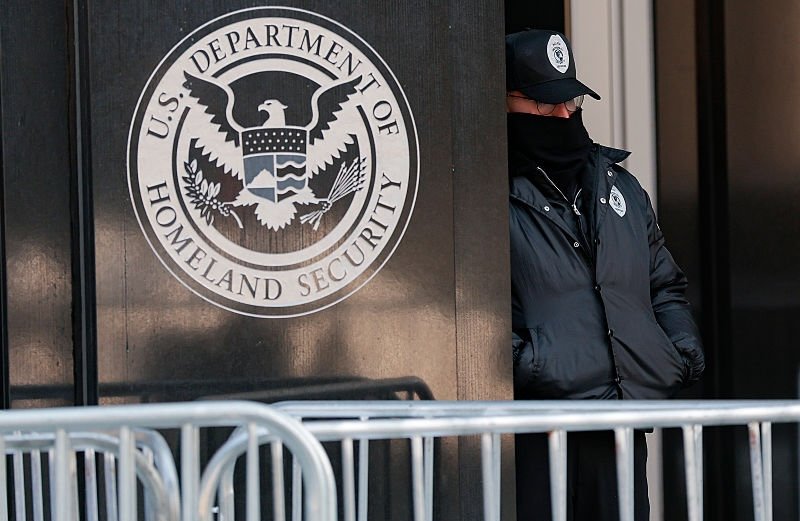
How Homeland Security Utilizes Administrative Subpoenas to Track Government Critics
Exploring the Reach and Consequences of Administrative Subpoenas
The Department of Homeland Security (DHS) has increasingly turned to administrative subpoenas as a tool to gather personal information from technology companies about individuals who openly oppose government policies or document immigration enforcement activities. Unlike judicial subpoenas, which require approval from a judge based on probable cause, administrative subpoenas are issued internally by federal agencies without any court supervision, granting broad access to user data.
Even though these subpoenas do not compel companies to hand over email content, search histories, or exact location details, they do permit requests for metadata such as login timestamps, IP addresses, device types used for access, associated email addresses, and other identifying information. As no judicial oversight is involved in issuing these demands, tech firms retain discretion over whether they comply with such government inquiries.
Recent Incidents illustrating DHS’s Targeting of Anonymous Activists
A prominent case involved an anonymous Twitter account advocating for immigrant rights in Austin, Texas. The account regularly shared updates on local immigration raids during a period marked by heightened enforcement nationwide that ignited protests across several states. After receiving unsubstantiated allegations that Immigration and Customs Enforcement (ICE) agents were being surveilled by this account holder, DHS lawyers issued an administrative subpoena demanding Twitter disclose the identity behind the profile.
Civil liberties organizations representing the activist stressed that anonymously recording and sharing footage of law enforcement officers is protected under the First Amendment. Following public backlash and legal challenges asserting no evidence existed of wrongdoing by the user in question,DHS quietly withdrew its subpoena request without providing further description.
A Pattern Emerges: Government Requests Targeting Social Media Critics
This example is part of a broader trend where at least five additional cases have surfaced involving Homeland Security seeking similar data about individuals managing social media accounts critical of government actions through administrative subpoenas. In every instance where affected users contested these demands legally or exposed them publicly via advocacy groups like civil rights organizations, DHS retracted their requests.
Key Differences Between Judicial and Administrative Subpoenas
- Judicial Subpoena: requires authorization from a judge based on evidence supporting criminal investigations; includes court oversight ensuring accountability and checks against abuse.
- Administrative Subpoena: Issued directly by federal agencies without judicial involvement; allows collection primarily of non-content user metadata but lacks external review mechanisms or safeguards against misuse.
This distinction raises important concerns regarding potential exploitation when targeting political dissenters or activists documenting sensitive governmental operations such as immigration enforcement raids.
User Privacy Challenges Amid Expanding Surveillance Demands
The dominance of major U.S.-based technology platforms facilitates easier access for federal authorities seeking detailed user metadata capable of de-anonymizing online critics. While some applications like Signal employ end-to-end encryption limiting what data can be surrendered even under legal pressure due to technical constraints; many widely used platforms still maintain extensive logs revealing when users accessed services and from which devices.
This environment partly explains why european governments along with privacy-conscious consumers worldwide are increasingly exploring alternatives beyond American tech giants amid growing apprehension over surveillance practices intertwined with politically motivated investigations during recent administrations.
An Example Involving apple Demonstrates Swift Government Reaction To Dissent
An illustrative incident concerned a retired schoolteacher who emailed critical remarks about DHS policies directly to one senior official within the agency. Within hours after sending this message-expressing opposition consistent with protected free speech-the retiree received notification from Apple stating his account had been subpoenaed by DHS requesting thorough metadata including login durations alongside personal identifiers such as payment methods linked to his account.
Twelve days later federal agents visited his residence seeking clarification regarding his correspondence despite acknowledging he had committed no crime. Apple confirmed it challenged overly broad requests while cooperating only within strict legal boundaries designed to protect users’ privacy whenever possible.
DHS’s Legal Authority Versus Corporate Responses to Data Demands
“Homeland Security Investigations (HSI) holds expansive authority under statutes 8 U.S.C § 1225(d) & 19 U.S.C § 1509(a)(1), enabling issuance of administrative subpoenas,” explained an agency representative referring specifically to HSI’s investigative powers related primarily to border security enforcement.”
This statutory power grants wide latitude for probing suspected violations tied mainly to customs or immigration laws; though critics argue it has been weaponized against lawful dissenters documenting governmental conduct rather than genuine criminal suspects.
Tech companies differ significantly in how they respond: some resist vague or excessive demands vigorously while others comply more readily depending on internal risk assessments balancing legal exposure versus customer privacy commitments.
Meta declined comment regarding whether any data was disclosed concerning specific activist accounts recently targeted by DHS inquiries.
The Wider Impact On Free Speech And Digital Privacy Protections
- Civil rights advocates warn unchecked use risks chilling free expression online especially among marginalized communities monitoring law enforcement;
- Anonymity protections may erode if routinely collected metadata exposes identities behind pseudonymous activism;
- user confidence in digital platforms could decline if openness around government data requests remains insufficient;
- A global shift away from dominant US-based tech providers may accelerate due partly to surveillance concerns linked with politically motivated probes;
- Laws governing digital privacy urgently require reform ensuring stronger safeguards against misuse while preserving legitimate national security tools;
.
Navigating the Future Landscape Of Online Anonymity And Accountability
As technological capabilities advance alongside evolving political climates , balancing protection for individual freedoms online versus legitimate law enforcement interests grows ever more complex.Transparency reports published annually offer some insight into volume & nature government requests but often lack sufficient detail distinguishing between types like judicial vs administrative subpoenas-a gap advocates urge be addressed moving forward.
< p >Ultimately , safeguarding democratic principles requires vigilance not only among policymakers but also corporate custodians entrusted with vast amounts sensitive personal information-ensuring tools intended for security do not become instruments suppressing lawful criticism & civic engagement .