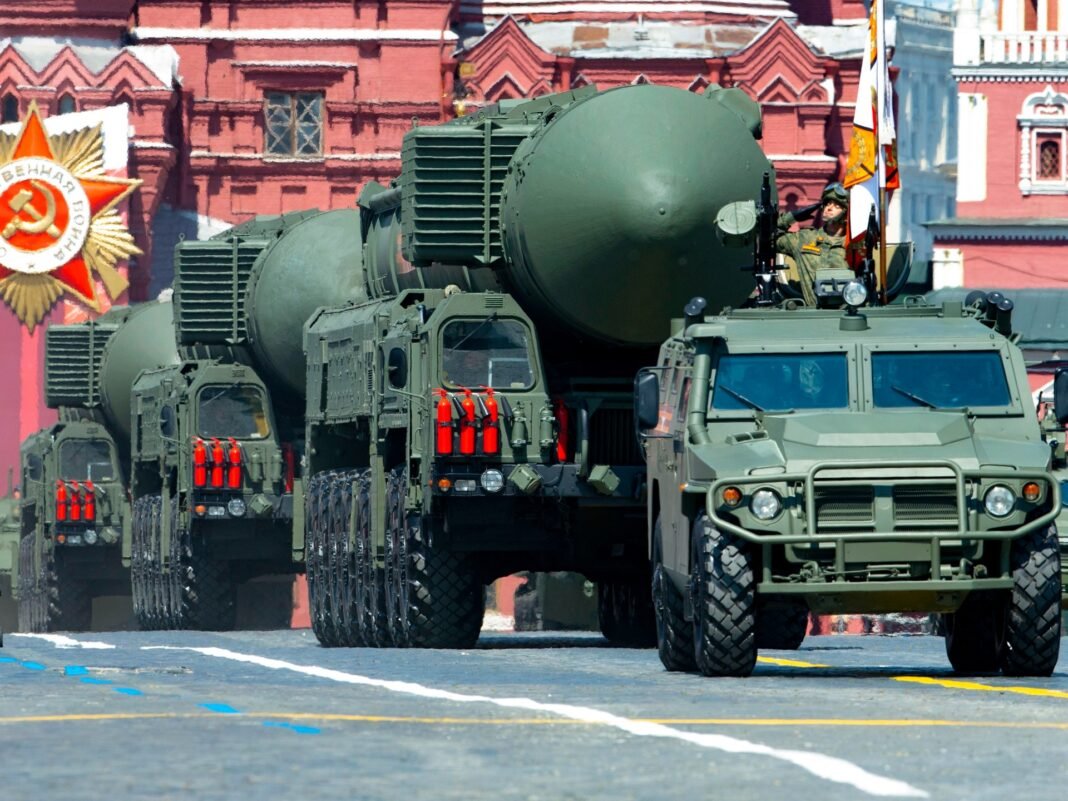
Consequences of the Termination of the Last Russia-US Nuclear Arms Control Pact
A Landmark Treaty Comes too an End
The New START treaty, which represented the final active nuclear arms control agreement between Russia adn the United States, has recently expired. This accord had limited each country’s deployed strategic warheads to 1,550-a significant decrease from Cold War-era stockpiles-and incorporated verification protocols such as on-site inspections to ensure compliance.
Despite Moscow’s attempts to secure a one-year extension for further negotiations on a successor agreement, Washington did not provide a formal response. Kremlin officials expressed disappointment over the treaty’s conclusion but affirmed Russia’s commitment to responsible management of its nuclear forces and maintaining strategic stability.
International Responses and Strategic Implications
The expiration has drawn criticism from both Moscow and Beijing. China’s Foreign Ministry emphasized that New START was vital in preserving global strategic equilibrium and cautioned that its lapse could weaken established international nuclear governance frameworks.
Nevertheless, China has refrained from joining trilateral disarmament discussions with Russia and the US due to its relatively smaller arsenal-estimated at about 600 warheads compared to roughly 4,000 each held by Washington and Moscow. Chinese authorities argue their current stockpile size does not yet justify participation in these high-level negotiations.
Current Trends in Nuclear Stockpile Expansion
- Russia & United States: Together they control over 80% of all nuclear warheads worldwide.
- China: Independent analyses indicate China is rapidly increasing its nuclear capabilities, adding nearly 100 new warheads annually as early 2023.
The Threat of Renewed Arms Race Dynamics
The treaty’s expiration raises alarms among defense experts about possibly igniting an unregulated arms buildup era. The recent suspension of verification activities-exacerbated by pandemic-related restrictions-has further hindered transparency between these major powers. NATO officials have called for restraint as military developments accelerate across Russia and China alike.
Evolving Challenges in Nuclear Diplomacy
The US governance has signaled that decisions regarding future arms control efforts will be made according to internal schedules without immediate announcements on next steps. Meanwhile, ongoing geopolitical tensions continue shaping national defense strategies globally as countries adapt their security postures amid shifting threat landscapes.
Navigating Uncertainty: The Future of Strategic Stability
This critical juncture highlights how vulnerable existing arms control mechanisms are amid changing political realities. While New START successfully mitigated risks associated with large arsenals through enforceable limits verified by inspections-which were suspended during COVID-19-the path forward remains unclear regarding whether similar agreements can be reinstated or replaced swiftly enough to avoid destabilizing consequences.
“The conclusion of this pact signals not merely a pause but may accelerate competition among leading powers,” analysts caution as diplomatic relations remain tense within broader geopolitical rivalries.”
the Necessity for Responsible Management of Nuclear Forces
Moscow continues emphasizing prioritization of national security interests while pledging vigilance over issues related to strategic stability tied to its weapons programs. The global community closely monitors whether dialog can resume before tensions escalate beyond repair or if choice frameworks emerge for managing risks posed by advanced arsenals spanning multiple nations worldwide.