The Transformation of Curling Gear at the Winter Olympic Stage
Curling has once again captured global attention during the Winter Olympics, drawing an expanding fan base intrigued by its distinctive combination of precision and tactical play. Often likened too shuffleboard but performed on ice with specialized stones and brooms, this sport continues to evolve while captivating new audiences eager to grasp its complexities.
Emerging Powers and Established Champions in Curling
Historically, nations such as Canada, Sweden, Switzerland, and Scotland have dominated curling tournaments.Though, recent years have seen fresh contenders rise prominently on the scene. Italy’s mixed doubles duo-Stefania Constantini and Amos Mosaner-have emerged as reigning Olympic and world champions ahead of the 2026 Winter Olympics hosted in Italy itself. Their ascent exemplifies how newer teams are reshaping competitive landscapes in this rapidly advancing discipline.
Crafting the Perfect Curling Stone: A unique geological Legacy
The vast majority of curling stones trace their origin to a singular source: Ailsa Craig Island off Scotland’s western coast. This 99-hectare granite outcrop is prized for two rare types of granite-common green and blue hone-that endure extreme temperature swings and moisture exposure on ice sheets nearly 30 centimeters thick during matches.
Each stone must weigh between 17.24 kg (38 lbs) and 19.96 kg (44 lbs), undergoing precise grinding and polishing by expert manufacturers like Kays of Scotland or Canadian firms responding to North America’s growing interest in curling. These producers ensure every stone meets stringent durability criteria while delivering optimal glide performance under intense competition conditions.
Innovations Driving Broom Technology for Enhanced Control
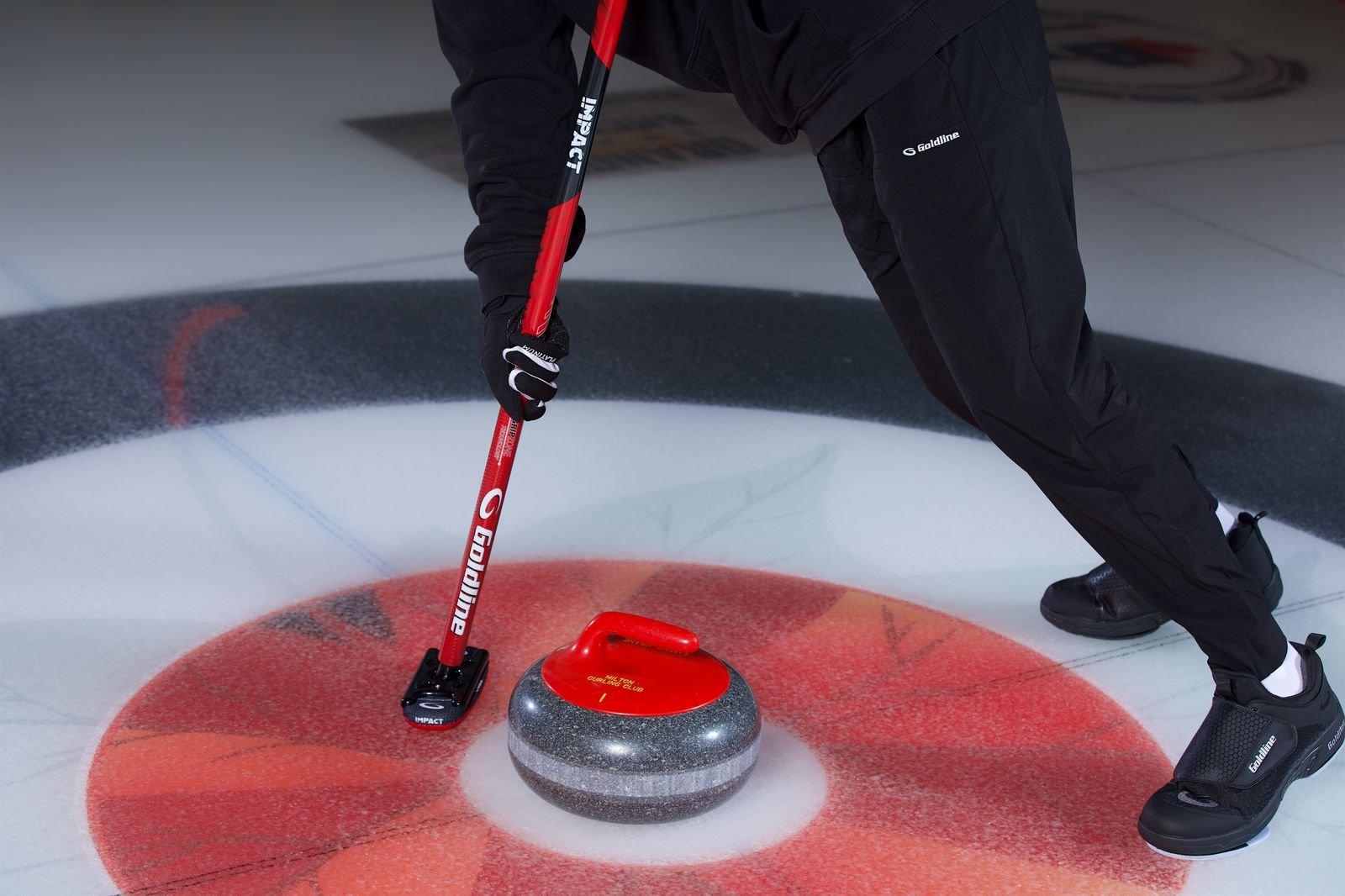
Brooms have evolved far beyond simple sweeping tools; they now integrate advanced materials combined with embedded sensors that assist athletes in fine-tuning throw force accurately. Elite curlers favor carbon fiber composites due to their lightweight yet robust nature that maximizes energy transfer efficiency during sweeping motions.
Modern high-end brooms offer extensive customization options including adjustable handles,interchangeable bolts,foam grips,and nonslip coatings designed to reduce hand fatigue over long matches. Some premium models boast tens of thousands of configuration possibilities tailored precisely for individual player preferences while ensuring peak sweeping effectiveness.
Shoes That Make Every Slide Count
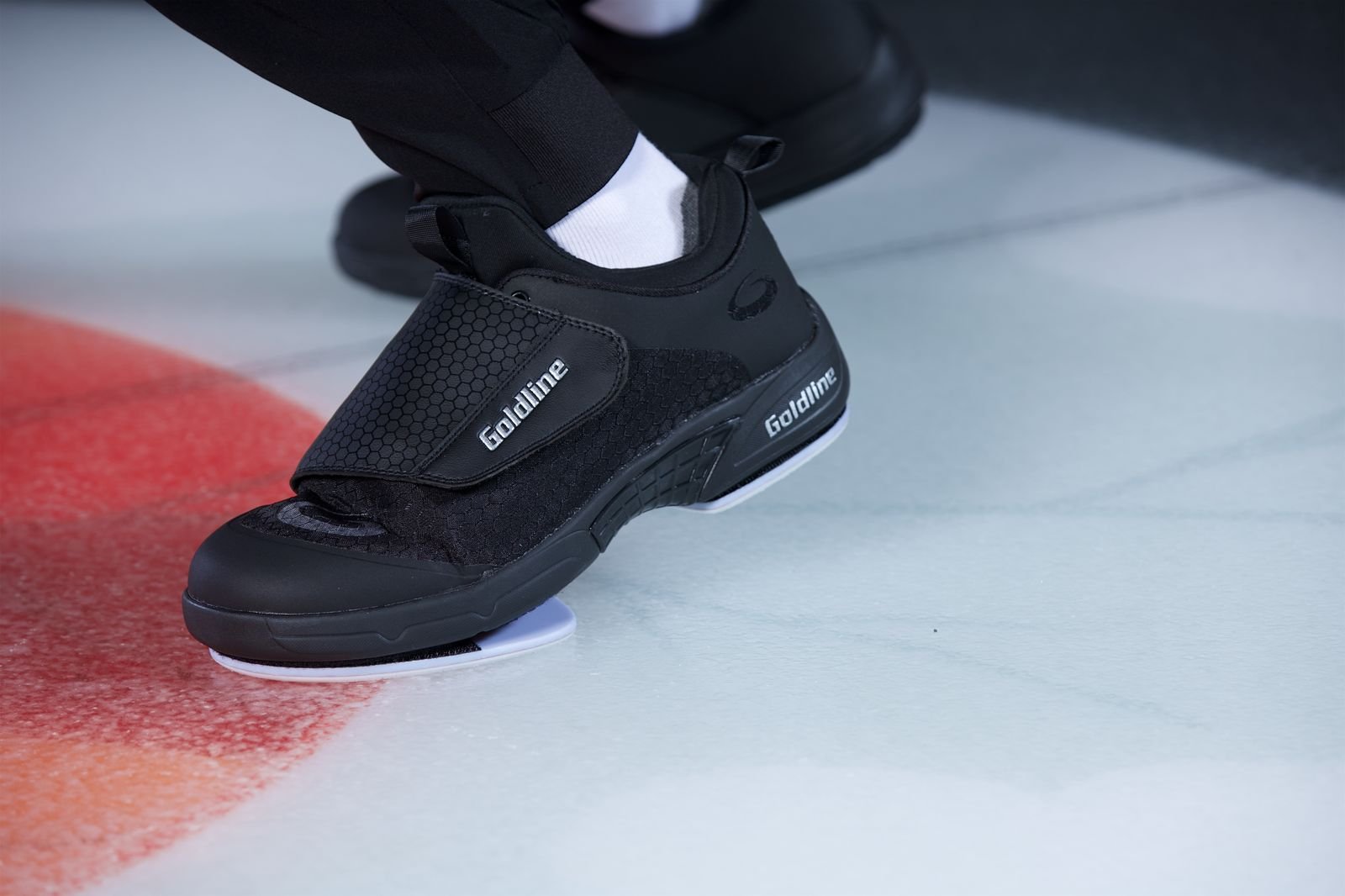
An often underestimated component within curling equipment is footwear technology where players wear two distinct shoes: a “slider” shoe equipped with slick soles made from Teflon or steel enabling seamless gliding across ice; paired with a “gripper” shoe featuring rubber soles providing essential traction for stability during delivery phases.
Despite differing functions, both shoes maintain balanced weight distribution critical for maintaining control throughout complex movement sequences-a key factor influencing accuracy under pressure at international competitions such as the Olympics or World Championships.
A spectrum of Footwear Choices Among Top Athletes
Curlers’ footwear preferences vary widely based on playing style or physical demands; some opt for lightweight flexible shoes prioritizing unrestricted movement whereas others select sturdier designs offering enhanced foot support against twisting forces encountered during vigorous sweeping.
This diversity has inspired brands like Goldline to develop customizable grip discs allowing configurations suited for right-handed or left-handed players within their Momentum series-featuring integrated lace covers that reduce drag plus reinforced toe boxes extending product longevity amid rigorous use typical at elite levels.
A Classic model Standing Strong Amid Modern Advances
Alongside cutting-edge developments remains BalancePlus’ Delux line-a leather-based shoe design dating back over twenty years yet still favored among professionals due to its dependable craftsmanship including welt stitching combined with smooth toe profiles minimizing friction when delivering stones.
This timeless classic endures partly thanks to modern upgrades such as dual insoles providing warmth crucial during lengthy tournaments held inside cold arenas where temperature management considerably impacts athlete stamina worldwide.