



Ferrari’s Bold Leap into Electrification: Meet the Luce
Despite scaling back it’s electric vehicle ambitions beyond 2025, Ferrari is gearing up to unveil its inaugural fully electric model in 2026-a landmark moment for the legendary Italian marque. This launch signals a daring evolution, blending Ferrari’s timeless passion with cutting-edge electrification.
The Meaning Behind the Name: Ferrari Luce
Initially dubbed Elettrica, the new electric car has been christened Ferrari Luce, an Italian word meaning “light” and pronounced loo-chay. CEO Benedetto Vigna explained that this renaming underscores a broader vision-one that highlights ferrari’s enduring values rather than focusing solely on its electric drivetrain.
“Luce represents more than just innovation; it embodies our path forward,” Vigna remarked during the unveiling at San Francisco’s Transamerica Pyramid. The name evokes brightness and clarity, symbolizing Ferrari’s commitment to a luminous future amid automotive transformation.
A Fusion of Design and Technology: Collaboration with LoveFrom
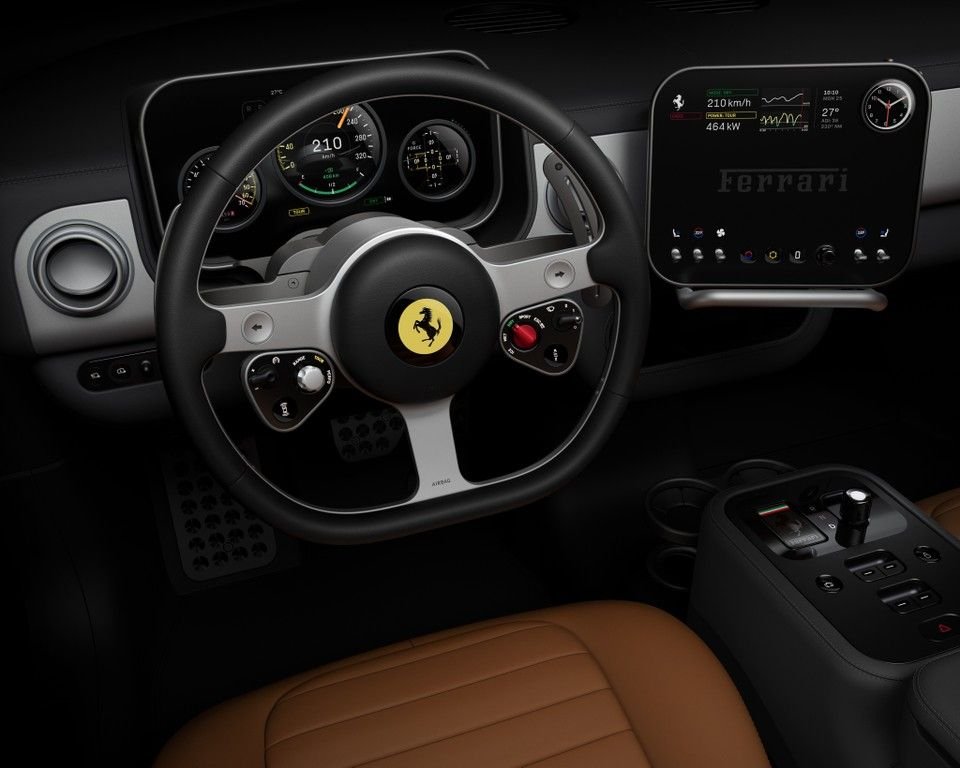
The interior of the Luce was previewed before its full exterior reveal slated for May. Designed by LoveFrom-the creative studio helmed by Jony Ive, former chief designer at Apple-the cabin marries advanced technology with exquisite craftsmanship. Although some details remain confidential, this sneak peek reveals how Ive’s minimalist yet tactile design philosophy adapts seamlessly from consumer electronics to high-performance automobiles.
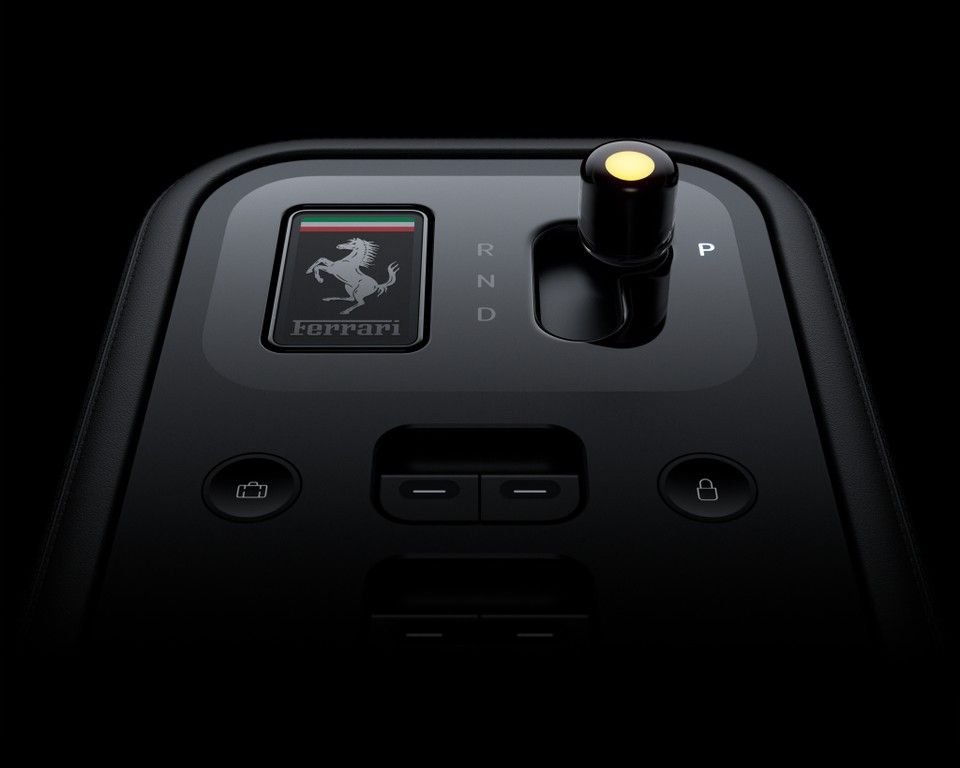
ive reflected on his transition from Apple products to cars: “Vehicles are incredibly intricate machines,” he noted. “Yet every component here reflects painstaking attention to detail.” Instead of presenting a fully assembled interior, individual elements-from steering wheel controls to glass gear shifters-were displayed separately so visitors could appreciate their precision engineering up close.
Tactile Innovation enhancing Driver Focus
The cockpit features brushed aluminum buttons alongside smooth glass surfaces engineered for intuitive operation without diverting driver attention. Each physical control performs one dedicated function-such as adjusting seat heating or audio volume-eliminating complex menu diving common in many modern vehicles and prioritizing safety through simplicity.
A standout detail includes air vents fitted with rotating aluminum shields that glide effortlessly when opened or closed-a subtle yet satisfying interaction praised by attendees during demonstrations.
A Design Language Inspired by Tech Heritage
The aesthetic draws heavily from Ive’s signature style seen in Apple devices: sleek glass panels paired with soft curves and minimalistic interfaces reminiscent of iPads or digital crowns on smartwatches.Even promotional materials echoed Apple’s polished product launches more than traditional automotive reveals.
Luxury Materials Meet Precision Engineering
- Glass Elements: In partnership with Corning-the creators of Gorilla Glass used widely in smartphones-the Luce incorporates over 40 distinct glass components including buttons, displays, and gear-shift casings.
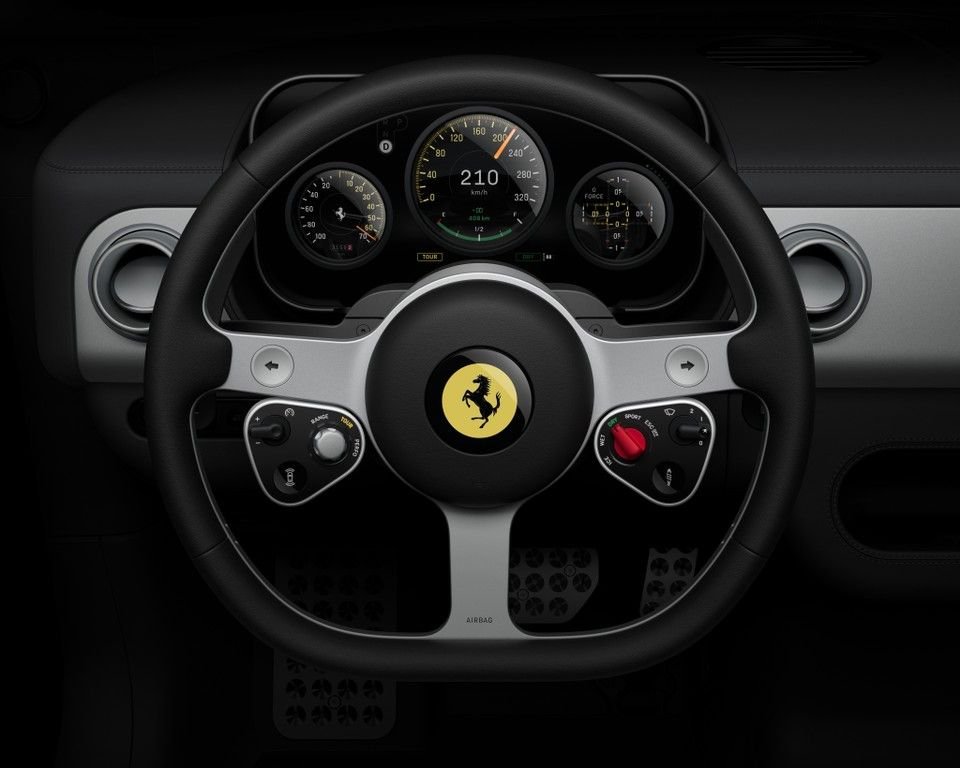
this choice enhances durability through rigorous crash testing while elevating tactile luxury far beyond typical plastic parts found elsewhere. - steering Wheel: Maintaining Ferrari’s iconic three-spoke silhouette but subtly flattened at the bottom for ergonomic grip; wrapped entirely in premium leather.
The wheel integrates crisp aluminum buttons within thumb reach controlling turn signals and media functions smoothly without distraction. - Binnacle Display: Positioned behind the wheel is an advanced cluster combining analog-style aluminum needles layered over vibrant OLED screens supplied by Samsung.
This hybrid setup preserves classic gauge aesthetics while delivering dynamic digital readouts such as speed alongside contextual alerts like road conditions via subtle icons.
User-Friendly Interfaces Tailored for EV Driving
An adjustable touchscreen panel beside the driver resembles an iPad mounted on a ball-and-socket joint inspired by early iMac designs from ive’s Cupertino era. This flexible setup allows passengers easy access while enabling drivers cozy control via tactile switches resting beneath their palms on an elegant aluminum bar doubling as both handle and wrist rest.
This interface delivers vital EV-specific data such as battery charge levels along with real-time power distribution across wheels-a crucial feature given global EV sales surpassed 10 million units last year alone (a nearly 50% increase compared to previous years), reflecting accelerating adoption worldwide.
An innovative Take on Traditional controls: The Key Fob Redefined
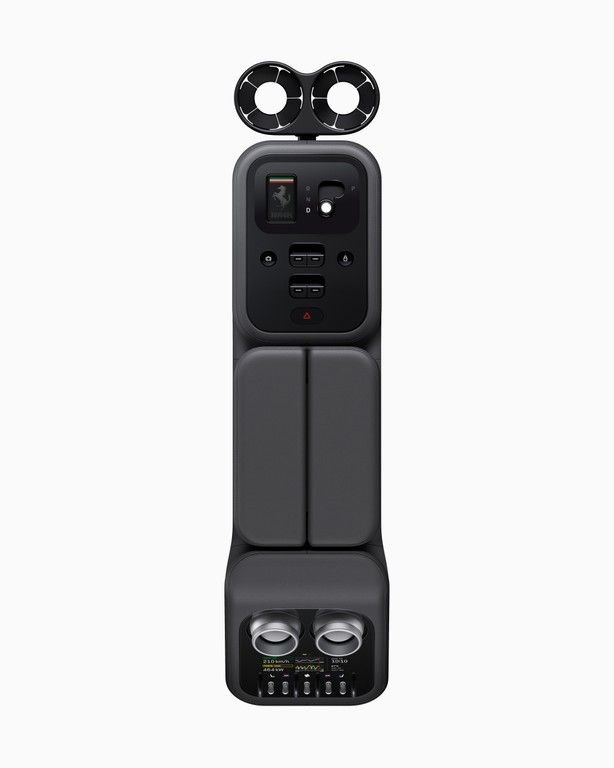
Luce’s key fob resembles a compact smartphone featuring a glass back adorned with a yellow E Ink-illuminated Ferrari emblem that dynamically shifts when ignition modes activate.
Pushing it into its magnetic dock triggers ambient lighting effects across nearby controls including glowing gear-shift knobs embedded with thousands of microscopic laser-etched holes designed specifically for optimal light diffusion-a fusion of artistry meeting aerospace-grade precision rarely seen outside luxury watchmaking industries.
A Reflection on What Might Have Been: Echoes of Project Titan
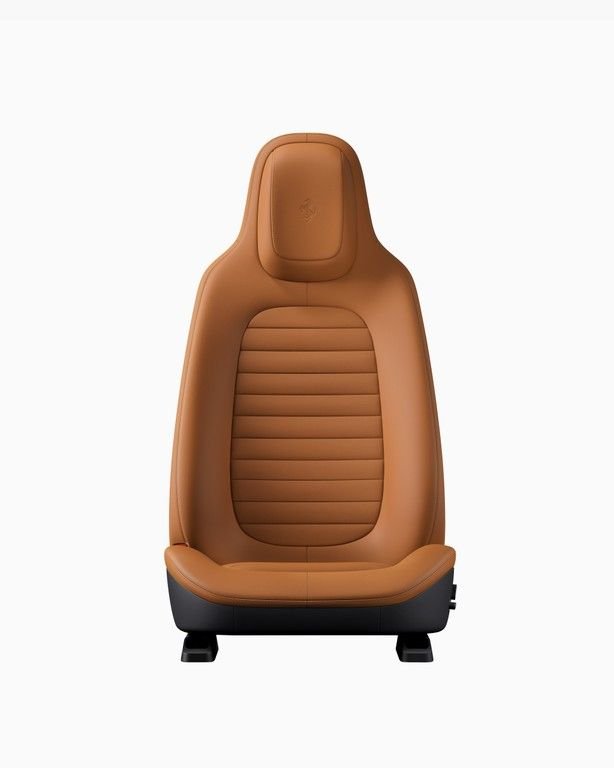
This collaboration inevitably invites comparisons to Apple’s long-rumored Project Titan-an ambitious automotive initiative shelved after nearly ten years in development ending early 2024. With Jony Ive leading LoveFrom’s efforts at Ferrari-and bringing decades-long expertise crafting seamless user experiences-it feels like glimpsing Cupertino-inspired design principles translated onto four wheels rather than handheld devices or desktops alone.
Ive candidly acknowledged this connection during post-presentation discussions:
“We’ve become increasingly isolated within our digital worlds,” he observed thoughtfully.
“Now more than ever there is an urge not only toward connectivity but reconnection-to each other physically-and importantly-to tangible reality.”
Navigating Digital Overload Through Physical Engagement
Luce strives not only for technological progress but also emotional depth through physicality-offering users something genuine amid today’s screen-heavy lifestyles dominated by endless scrolling habits linked globally to rising anxiety levels (with average daily screen time exceeding seven hours worldwide).


