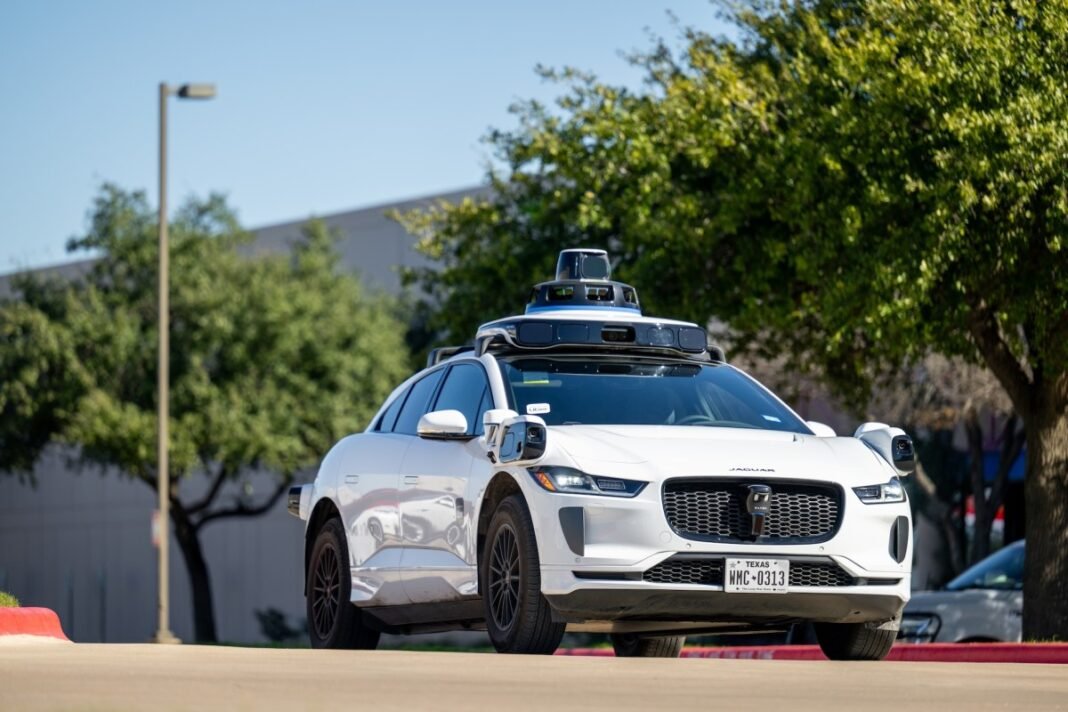
Waymo Pioneers Fully Autonomous Taxi Service in Nashville Without Human Operators
Advancing Toward Complete driverless Mobility
Waymo,Alphabet’s autonomous vehicle division,has recently eliminated the need for human safety drivers in its self-driving cars operating throughout Nashville. This development represents a crucial step forward as the company gears up to launch a fully driverless robotaxi service within the city limits.
Nashville as a Strategic Launchpad for Robotaxi Services
the upcoming robotaxi program in Nashville is scheduled to commence this year through a strategic partnership with Lyft. Initially, riders will be able to summon vehicles exclusively via the Waymo app. As operations scale,Waymo intends to integrate its autonomous fleet into Lyft’s broader ride-hailing platform. Meanwhile, Lyft’s Flexdrive subsidiary will manage vital operational components such as vehicle upkeep, charging station logistics, and depot coordination.
Navigating Complex Urban Environments: Nashville’s Unique Challenges
Nashville’s intricate roadways and traffic patterns have posed meaningful challenges that Waymo has addressed through extensive data gathering and continuous software refinement by local engineering teams. The city is rapidly emerging as one of several pivotal markets where fully autonomous taxis are evolving from pilot projects into practical transportation solutions accessible to everyday commuters.
A Methodical Approach to Market Entry and Expansion
Waymo follows a structured process when entering new metropolitan areas: it starts by deploying manually operated vehicles tasked with creating high-definition maps of urban landscapes. After mapping is complete, self-driving cars equipped with human safety operators conduct rigorous testing phases. Once system reliability reaches stringent benchmarks, driverless trials begin-often involving employees or select users who can hail rides-before officially rolling out commercial robotaxi services.
Current Operations and Nationwide growth Strategy
The company currently offers commercial autonomous taxi services across multiple major U.S. cities including Atlanta, Austin, los Angeles, Miami, Phoenix, and the San Francisco Bay Area. In addition to these active markets, waymo maintains driverless test fleets in cities such as Dallas, Houston, San Antonio, and Orlando as part of its ongoing expansion efforts.
The Broader Impact on Urban Transportation Systems
This growth aligns with wider trends toward automation within urban mobility sectors; recent industry analyses indicate that widespread adoption of autonomous ride-hailing could reduce city traffic congestion by nearly 30% while considerably lowering emissions through optimized routing combined with electric vehicle technology integration.
“The elimination of human safety drivers underscores increasing trust in AI-powered transportation solutions,” noted an expert familiar with Waymo’s technological advancements.

Envisioning Future Cities Powered by Autonomous Fleets
The deployment of fully driverless taxis like those introduced by Waymo signals transformative potential for urban mobility worldwide-offering safer roads through reduced human error alongside enhanced accessibility for diverse populations who may lack traditional driving options.