Emerging Trends and Challenges for Novo Nordisk in the Competitive Weight Loss Medication Landscape
Market Volatility Following a Strong Start to 2026
At the outset of 2026, Novo Nordisk capitalized on a landmark achievement with the debut of the first oral GLP-1 drug designed specifically for obesity treatment. This innovation solidified its position as a leader in weight management therapies.Yet, recent developments involving legal disputes and intensified regulatory oversight have introduced notable uncertainty, unsettling investor sentiment.
The company’s share price has shown notable instability throughout the year, oscillating between $43.24 and $64.16 per share on U.S. exchanges-reflecting rapid swings driven by both setbacks and recoveries within short timeframes.
Regulatory Challenges and Intellectual property Conflicts
A key point of contention centers around Novo Nordisk’s ongoing lawsuit against telehealth provider Hims & Hers, accused of infringing patents related to semaglutide-based drugs such as Wegovy through compounded formulations.These compounded versions exploit regulatory gaps that permit pharmacies to create unapproved copies during branded drug shortages-a situation that has sence improved but continues to fuel disputes.
The FDA has also stepped up enforcement by issuing warnings about deceptive marketing practices linked to these compounded medications. The agency’s referral of Hims & hers to the Department of Justice signals heightened scrutiny aimed at curbing unauthorized compounding activities within this sector.
Effects on Market Share and Innovation Incentives
An estimated 1.5 million Americans currently use compounded semaglutide products,which significantly undercut sales growth for branded treatments like Wegovy. Industry experts warn that unchecked availability of these lower-cost alternatives not only threatens Novo Nordisk’s revenue but may also dampen incentives for pharmaceutical innovation across obesity therapeutics.
Rising Competition from Eli Lilly in GLP-1 Therapies
Novo Nordisk faces formidable competition from Eli Lilly, which holds approximately 60% of the global branded GLP-1 market compared with Novo’s near 39%. Lilly’s obesity medication Zepbound has gained momentum due to clinical evidence showing superior weight loss results compared with Wegovy injections.
In U.S.-based clinical settings, surveys indicate that roughly 70%-80% of patients prefer Lilly’s treatments over those offered by Novo-a shift highlighting evolving prescriber preferences despite Novo’s initial dominance in this therapeutic category.
The Intensifying Race for Oral Weight Loss Solutions
novo aims to regain market traction through its recently launched oral version of Wegovy,targeting patients who favor pills over injections; early data shows about 88% are initiating therapy at lower doses consistent with first-time users exploring oral options.
Lilly plans to release orforglipron later in 2026 as a direct competitor; though, clinical trials suggest wegovy pills deliver an average weight reduction near 16.6%, outperforming Lilly’s candidate at 12.4%, representing nearly a 40% efficacy advantage. This gap could become pivotal as both companies compete aggressively for patient adoption worldwide.
Evolving Pricing Pressures Amid Policy Reforms
The U.S GLP-1 drug market is experiencing downward pricing trends influenced by “most favored nation” agreements implemented under prior administrations aiming to reduce nationwide medication costs. While increased prescription volumes may partially offset revenue declines caused by price cuts over time, immediate financial pressures remain substantial for manufacturers like Novo Nordisk.
Novo’s CEO acknowledges these challenges but remains hopeful about expanding access through higher prescription rates combined with anticipated Medicare coverage expansions expected later this year-possibly opening treatment opportunities for up to 15 million eligible beneficiaries out of Medicare’s total enrollment exceeding 67 million people.
pioneering Next-Generation Treatments: A Strategic Imperative
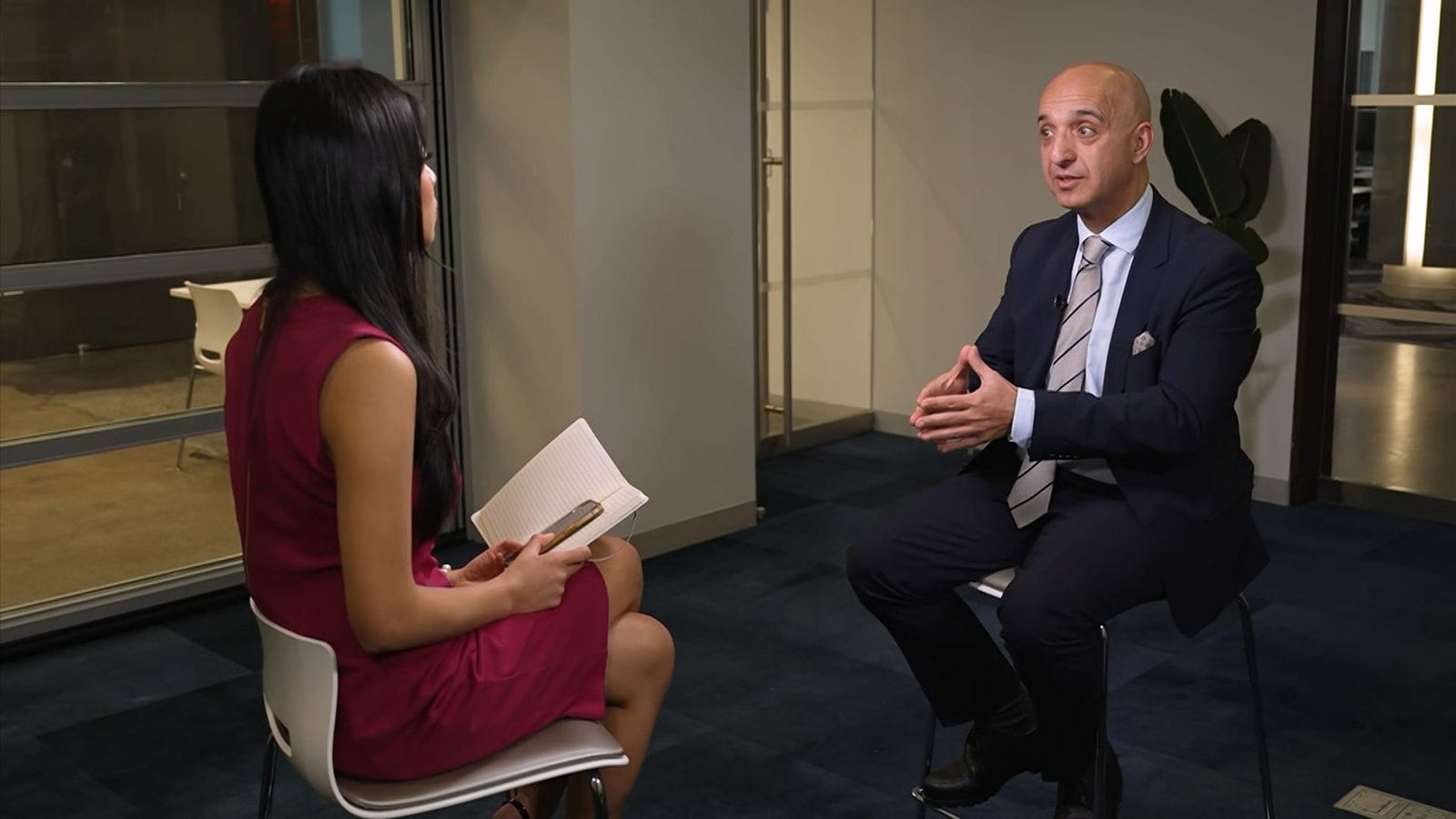
“We anticipate unprecedented patient uptake throughout 2026,” stated company leadership while emphasizing sustained growth prospects despite current obstacles.”
- An advanced dosing option: Pending FDA approval seeks authorization for an enhanced-dose (7.2 mg) formulation of Wegovy capable of delivering up to an average 21% weight loss-comparable with top-tier results seen from Zepbound;
- CagriSema advancement: A novel weekly injection combining semaglutide with cagrilintide designed to improve outcomes via dual hormone mechanisms mimicking amylin pathways;
This diversified pipeline reflects recognition that obesity involves multiple biological subtypes requiring personalized treatment approaches rather than uniform solutions-a viewpoint increasingly embraced within metabolic disease management circles worldwide.
Tackling Market Share Decline Through Legal Enforcement and Innovation Synergies
If prosperous in limiting unauthorized compounding via litigation alongside launching innovative products effectively,Novo could stabilize or even reclaim lost ground amid intensifying competition from rivals such as Eli Lilly who continue aggressive global marketing efforts targeting expanding patient populations seeking effective therapies.
Navigating Future Risks While Capitalizing on Growth Opportunities

The path forward requires deft strategic maneuvering amid fluctuating stock valuations coupled with shifting healthcare policies; investors remain vigilant as pricing pressures persist while volume expansion accelerates globally amid growing demand trends toward efficacious obesity treatments-even amidst economic uncertainties impacting healthcare spending priorities internationally.
“The upcoming months will be decisive in observing how competitive dynamics evolve between established players introducing oral formulations alongside emerging next-generation candidates,” remarked industry analysts reflecting on ongoing innovation cycles shaping sector outlooks.”