China’s Manufacturing Boom and Export Growth Ahead of Lunar New Year Amid Trade Challenges
Industrial Output Shows Strong Recovery Despite Tariff Obstacles
As the Lunar New Year draws near, manufacturing centers throughout China are experiencing a notable upswing in production and export volumes, overcoming earlier worries linked to U.S. tariff impositions.Factories, especially in southern provinces, are running close to maximum capacity with order levels rebounding to figures reminiscent of pre-tariff periods.
A notable example is a precision electronics plant located in Shenzhen that has sustained consistent production throughout a year marked by shifting trade regulations. This facility continues to dispatch nearly 60% of its goods to American markets, signaling persistent demand from U.S. customers who remain largely unaffected by tariff-related disruptions.
Data from recent industrial surveys corroborate this trend, revealing that both domestic and overseas orders surged sharply compared with the previous year. Early january statistics highlight an impressive increase in manufacturing output just before the customary holiday shutdown.
Port Congestion Intensifies as Container Traffic Reaches Record Levels
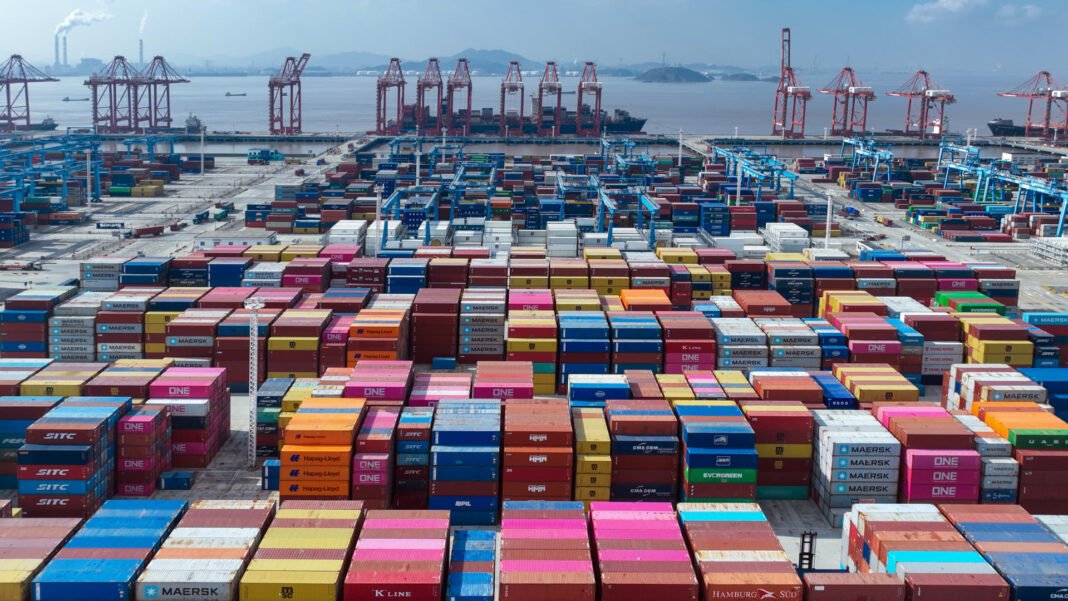
The surge in factory activity is reflected at major Chinese seaports where container throughput has escalated dramatically. Analysis shows that during the week ending February 1st, container handling volumes rose approximately 42% year-over-year-the fastest growth rate recorded since mid-2023 and well above average weekly gains seen throughout early 2025.
ningbo Port exemplifies this pressure; terminals there are operating beyond their intended limits with some vessels facing overbooking rates surpassing 25%. This bottleneck has forced temporary halts on container gate-in operations as logistics providers struggle to manage overwhelming demand.

The introduction of autonomous cranes at shanghai Port illustrates ongoing efforts to boost operational efficiency amid mounting strain on transport infrastructure networks.
Rising Freight Expenses Highlight Supply Chain Pressures
The spike in shipping activities has pushed freight costs higher across various transportation modes. Trucking expenses have climbed nearly 85%,driven by severe congestion around key industrial hubs and port vicinities. Although many manufacturers plan brief pauses during the holiday week, intense booking surges beforehand reflect clients’ urgency to dispatch shipments early.
The Shanghai Containerized Freight Index (SCFI), which monitors global container shipping prices originating from Shanghai, recorded values between 1,450 and 1,700 points during early January-levels exceeding ancient averages for this timeframe over the past decade-plus. Notably, peak freight charges arrived about three weeks earlier than usual as companies accelerated shipments ahead of Lunar New Year closures.
- Container exports destined for U.S. markets consistently surpassed prior years’ figures through late January into February;
- Air cargo rates on transpacific routes increased significantly compared with last year;
- The Baltic Exchange’s Shanghai Pudong outbound index climbed more than 6% week-over-week during early February;
Evolving Trade Relations: From Tensions Toward Renewed Stability
A critical factor bolstering exporter confidence was a one-year trade truce between China and Washington established late last year that substantially eased tariff burdens on Chinese imports entering the United States-encouraging firms to revive product progress initiatives previously stalled amid uncertainty.
this détente contrasts sharply with much of 2025 when numerous Chinese exporters curtailed direct shipments stateside while expanding sales into Southeast Asia and European markets-a strategic shift reflecting broader supply chain diversification trends often referred to as “China-plus-one.”
Diversification Strategies Without Abandoning China’s Central Role
Despite multinational corporations accelerating geographic diversification-including nearshoring production closer to end consumers-China remains indispensable within global supply chains due primarily to its unparalleled manufacturing scale and advanced infrastructure advantages.
“Businesses postponed major decisions until clarity emerged; now they must determine optimal strategies moving forward,” observed an industry expert after visiting several bustling factories across southern China recently.
Sustained Global Demand Drives Factory Operations forward
Sectors such as automotive parts manufacturing, consumer electronics assembly, and sporting goods production continue receiving strong worldwide interest-including robust orders from American buyers-as manufacturers work through backlogs accumulated during previous periods marked by erratic ordering patterns caused by tariff uncertainties.
Navigating Post-Tariff realities With Optimism for Future Growth
The easing of trade tensions has reignited enthusiasm among exporters eager to launch new product lines after shelving projects amid policy unpredictability. Industry leaders report increasing stability enabling businesses not only to fulfill existing contracts but also explore innovative offerings tailored for evolving international markets.
This resurgence highlights China’s enduring significance within global commerce despite geopolitical challenges-a reality evident both on factory floors humming with renewed activity today and busy ports managing unprecedented cargo flows worldwide just before one of Asia’s largest annual holidays.