Political Unrest and Amnesty Debates Ignite Caracas Streets
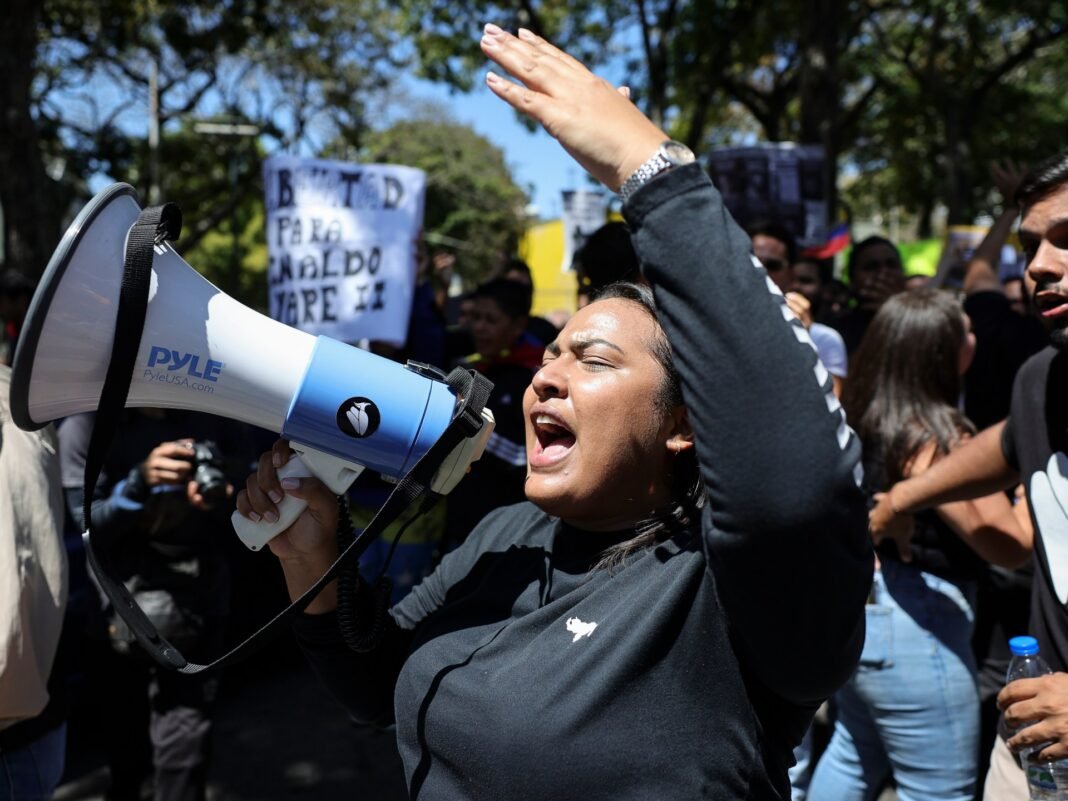
In the heart of VenezuelaS capital, Caracas, thousands took to the streets in competing demonstrations as lawmakers debated a pivotal amnesty bill aimed at political prisoners. These protests coincided with national Youth Day celebrations, amplifying public dissent against interim President Delcy Rodriguez’s government.
Background: Leadership Changes and Public Reaction
delcy Rodriguez rose to power following the contentious ousting of former president Nicolas Maduro earlier this year. Her administration quickly organized supporters for counter-protests, creating a charged atmosphere with large groups voicing opposing political views across the city.
The proposed amnesty legislation seeks to pardon individuals detained on politically motivated charges during Maduro’s rule. Even though initially anticipated to pass without delay, debates over its breadth and enforcement have postponed the final vote.
Scope and limitations of the Amnesty Bill
This law targets offenses such as treason,terrorism,and incitement-charges frequently leveraged over two decades to silence dissenters.However, it explicitly excludes those convicted of grave crimes including murder, drug trafficking, corruption scandals, or human rights violations.
Rodriguez frames this initiative as an attempt “to heal divisions born from years of violent political strife,” covering incidents from 1999 through recent unrest.
Human Rights Insights Amid Ongoing Challenges
The United Nations’ independent international Fact-Finding Mission on Venezuela regards this legislation as a potential milestone toward justice for many unjustly imprisoned individuals. Nonetheless, experts stress that transparency is essential and emphasize that civil society organizations must be integral throughout implementation.
Local watchdogs like Foro Penal report inconsistencies between official statements and actual prisoner releases; while at least 431 detainees have been freed under this law so far, more than 600 remain incarcerated on politically charged accusations. The case of opposition leader Juan Pablo Guanipa-recently released only to be placed under house arrest-illustrates persistent obstacles within these reforms.
Elections Under Pressure: Opposition Figures Face Restrictions
The amnesty proposal also includes provisions lifting bans preventing several opposition leaders from seeking office again-including Nobel Peace Prize nominee Maria Corina Machado-who was disqualified ahead of Venezuela’s disputed 2024 presidential race. Her substitute candidate Edmundo Gonzalez claimed victory amid widespread allegations that electoral manipulation favored Maduro’s contested third term win.
Despite demands by opposition groups calling for fresh elections based on popular support, government officials reject immediate polls citing a need for national “stabilization.” This position finds backing among international actors aligned with current Venezuelan authorities.
A Strategic Pivot Toward foreign Investment in Oil
Apart from internal politics, Rodriguez’s administration has shifted policies aligning more closely with U.S.-supported strategies: restricting oil exports to Cuba while opening state-controlled oil sectors to foreign investors-a move reflecting broader geopolitical interests tied to Venezuela’s vast energy reserves estimated at over 300 billion barrels proven worldwide.
Tensions Escalate in U.S.-Venezuela Energy Relations
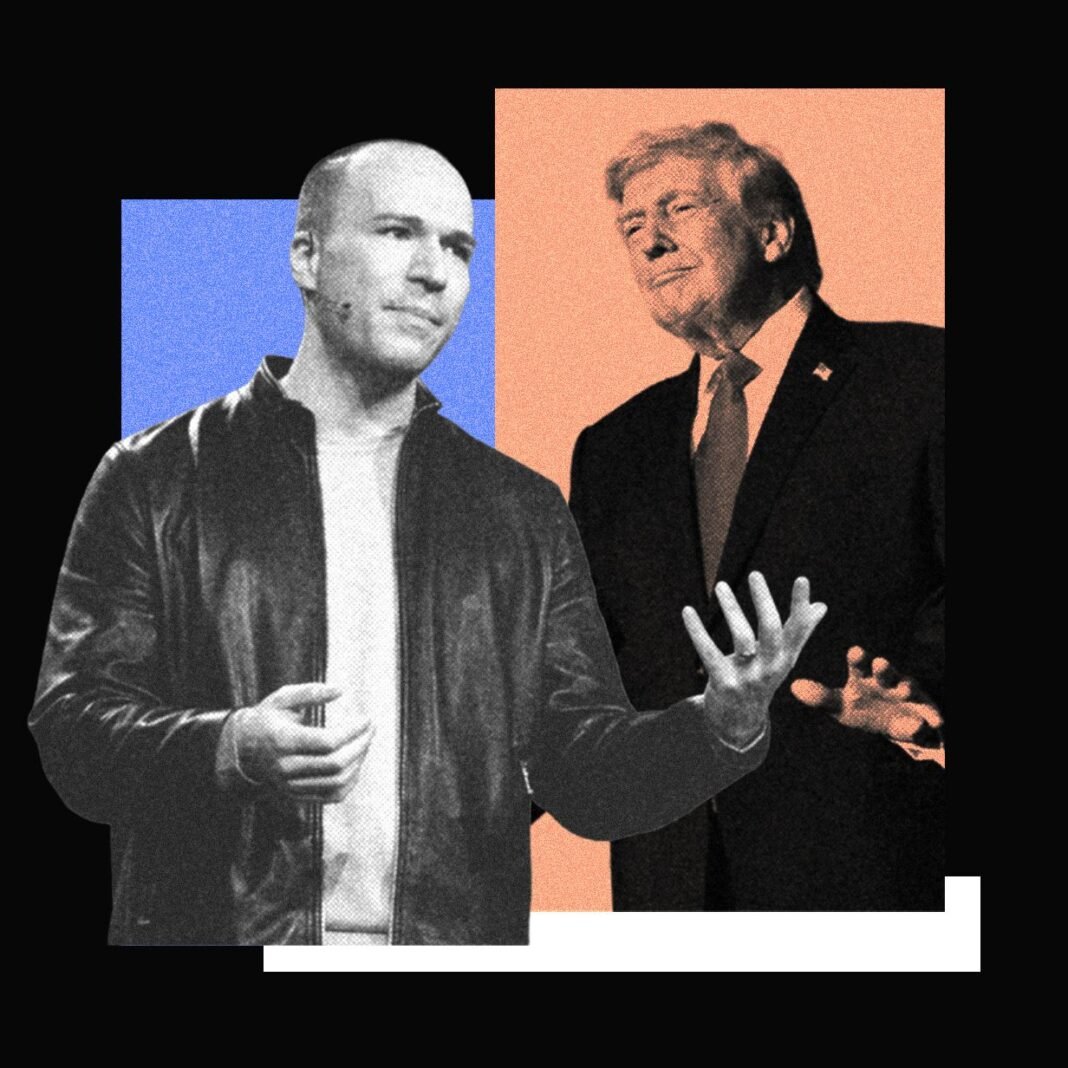
Recent developments saw former U.S. president donald Trump publicly deny any decision-making authority held by oil executive Harry Sargeant III regarding Venezuelan affairs during his administration. This statement followed media speculation about Sargeant advising Washington on accessing Venezuela’s lucrative oil fields-a key focus amid global energy market disruptions after the COVID-19 pandemic.
Sargeant is known for deep-rooted connections within Latin America’s petroleum industry alongside close ties with Trump through shared Republican networks and social activities such as golf outings.
Diplomatic Engagements Suggest Potential Thaw?
A notable moment occurred when Chris Wright-the then-U.S. Energy Secretary under Trump-visited Caracas for discussions centered on boosting oil production amidst shifting global demand influenced by renewable energy growth (which now accounts for nearly 30% of worldwide power generation).
“The relationship between Venezuela and the United States has been remarkable,” trump declared via social media shortly after Wright’s visit-but clarified that formal diplomatic representation requires State Department authorization only.”
Navigating Justice While Maintaining political Equilibrium
- The proposed amnesty law offers hope for reconciliation among deeply divided factions but raises concerns about equitable application regarding who qualifies;
- The ongoing barring-and possible reinstatement-of key opposition figures highlights persistent struggles over democratic legitimacy;
- Evolving diplomatic relations focused on energy cooperation could reshape regional dynamics but depend heavily on clear governance reforms;
- Civil society participation remains vital in ensuring accountability throughout these transformative changes impacting millions across Venezuela today.