



Helion’s Fusion Innovation: Paving the Way for Commercial Clean Energy
Breaking Temperature Barriers in Fusion Technology
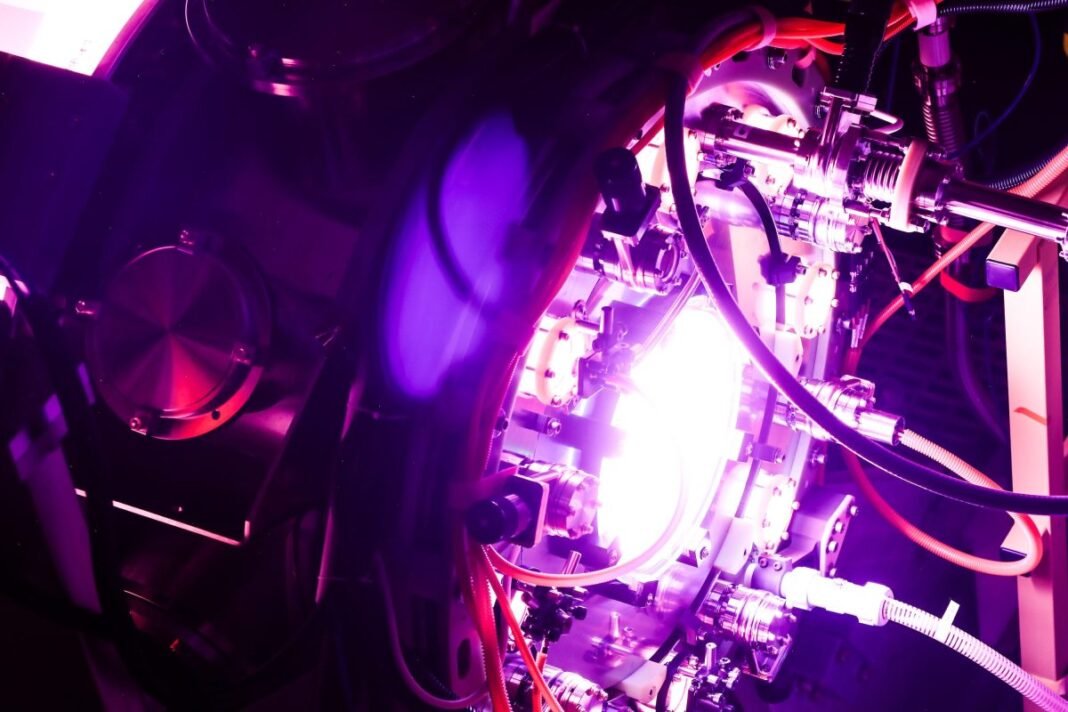
Helion, a pioneering fusion startup headquartered in Everett, Washington, has recently reached a remarkable milestone with its polaris prototype reactor. The plasma inside this device soared to an unprecedented 150 million degrees Celsius-about 75% of the temperature needed for viable commercial fusion energy production. This achievement represents a vital leap forward in Helion’s quest to make fusion power a practical reality.
A Distinctive Fusion Fuel Strategy and Reactor Architecture
Diverging from many competitors, Helion utilizes deuterium-tritium fuel-a combination of two hydrogen isotopes-in its Polaris reactor. This makes it the first company to operate a fusion system employing this specific fuel blend. According to company insights, this choice considerably amplified heat generation during experimental runs.
The reactor design itself is based on a field-reversed configuration (FRC),setting it apart from the more widely used tokamak reactors favored by firms like Commonwealth Fusion systems. The FRC chamber features an hourglass-like shape where plasma streams are injected from both ends and propelled toward each other by magnetic forces. Initial merging occurs at temperatures between 10 and 20 million degrees Celsius before intense magnetic compression rapidly elevates plasma temperatures up to 150 million degrees Celsius within milliseconds.
Harnessing Magnetic Fields for Direct Electricity production
Instead of relying on conventional steam turbines that convert heat into electricity, Helion captures electrical currents directly induced by magnetic fields generated during fusion pulses. Each reaction cycle creates electrical currents within the reactor’s magnets themselves-a technique that could surpass traditional thermal conversion efficiencies.
The Path Forward: Fuel Evolution and Power Plant Ambitions
While current tests employ deuterium-tritium fuel, Helion plans to shift toward using deuterium-helium-3 as thier primary fuel source in future reactors. This transition is strategic as helium-3 produces more charged particles during fusion reactions that exert stronger forces on confining magnetic fields-ideal for their direct electricity extraction method.
Their target operating temperature aims near 200 million degrees Celsius-significantly hotter than many competing projects-which they believe optimizes performance based on their unique FRC design principles.
Sustainable fuel Generation Amid Scarcity Challenges
Given helium-3’s rarity on Earth but abundance on lunar surfaces, Helion has innovated internal production methods through initial deuterium-deuterium reactions within their reactors. These processes yield helium-3 as a byproduct that can be purified and recycled efficiently back into the system-ensuring long-term sustainable fuel supply without dependence on extraterrestrial mining operations.
A Thriving Competitive Arena backed by Robust Investments
- Inertia Enterprises recently secured $450 million in Series A funding supported by major investors such as Bessemer Venture Partners and GV;
- type One Energy announced mid-fundraising efforts targeting $250 million;
- Commonwealth Fusion Systems raised over $860 million last year with backing from technology leaders including Google and Nvidia;
- Helion attracted $425 million last year from prominent venture capital firms like Mithril Capital management and SoftBank.
Aiming for Early Commercial Grid Integration: Contracts & Reactor Development
Differentiating itself from startups targeting grid connection timelines around the mid-2030s, Helion intends to deliver commercially viable electricity as early as 2028 via its upcoming Orion reactor-a larger-scale facility currently under construction designed specifically for this purpose under contract with Microsoft.
Diverse Technological Milestones Across Industry Players
The variety of approaches among companies results in differing milestones; Commonwealth Fusion Systems focuses on heating plasmas above 100 million degrees Celsius inside doughnut-shaped tokamaks using powerful magnets for containment while Helion requires nearly double those temperatures due primarily to its distinctive FRC methodology.
Pushing Efficiency Boundaries Through Electrical Circuit Enhancements
This past year saw meaningful upgrades in Polaris’ electrical circuitry aimed at maximizing energy recovery per pulse-an essential step when scaling towards continuous power output expected from future reactors like Orion.
“Our priority remains generating usable electricity rather than merely achieving scientific breakeven,” stated company leadership regarding progress metrics beyond raw energy output ratios.”
The Future Landscape: Industry Adoption of Direct Electric Recovery?
Kirtley anticipates wider adoption of helium-3 fueled direct electric recovery systems across emerging players once efficiency advantages become clear industry-wide-and expressed willingness to supply helium-3 externally if demand arises among competitors pursuing similar strategies.
Navigating New Frontiers in Sustainable Energy Generation
Merging innovative reactor designs pushing temperature limits higher than ever before with novel techniques such as direct electrical harvesting via magnetic pulses-and ongoing advancements refining sustainable internal production cycles of rare fuels like helium-3-Helion stands at the forefront of next-generation clean energy solutions promising virtually limitless potential without carbon emissions or long-lived radioactive waste challenges typical of fission-based nuclear plants today.


