US Military Expansion and diplomatic Initiatives Amid Heightened Tensions with Iran
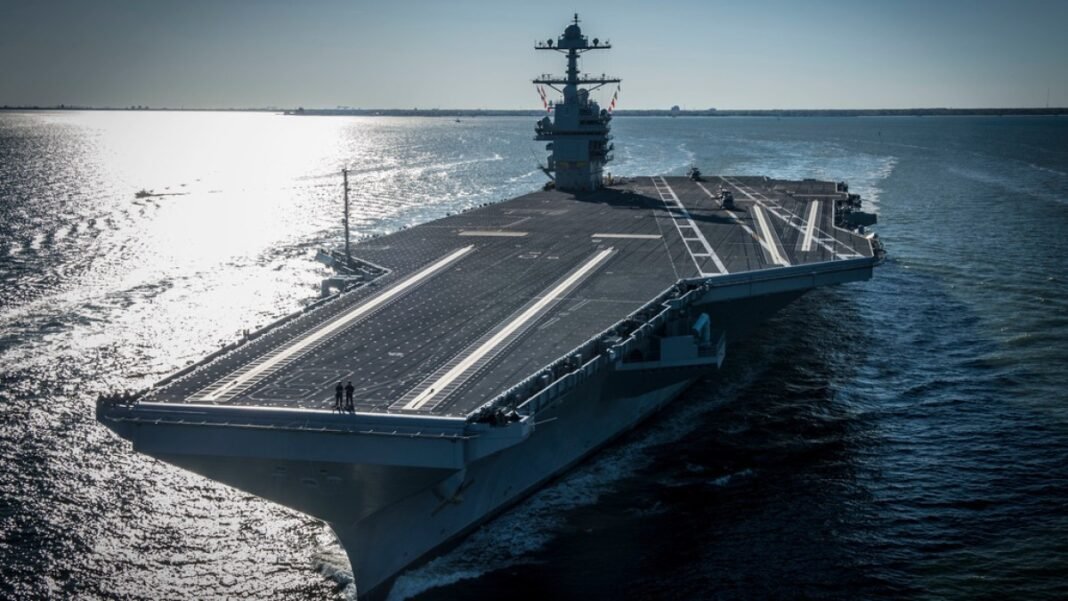
the United States is escalating its military footprint in the Middle East while pursuing diplomatic channels to address ongoing instability involving Iran. The announcement of deploying the USS Gerald R Ford aircraft carrier to the region marks a notable intensification of American military readiness.
Enhanced Naval Presence Strengthens Strategic Posture
The White House has confirmed that the USS Gerald R Ford, a nuclear-powered carrier capable of supporting over 75 aircraft, will soon transition from its current caribbean operations to reinforce US forces already positioned in the Middle East. This deployment supplements an existing array of assets including the Abraham Lincoln carrier strike group, several guided-missile destroyers, cutting-edge fighter jets, and advanced reconnaissance aircraft.
Emphasizing preparedness, President Trump stated that if circumstances demand it, a formidable force would be mobilized. He expressed cautious optimism about recent indirect negotiations held in Oman between US and Iranian representatives but warned Tehran that failure to reach an accord could trigger serious repercussions.
Renewed Diplomatic Efforts Amid Lingering Hostilities
The latest indirect talks represent the first substantive engagement since last summer’s intense 12-day conflict involving Israel and Iranian-backed militias. These discussions focus on exploring avenues for reviving or replacing components of prior nuclear agreements with Iran.
The Joint Comprehensive Plan of Action (JCPOA), initially signed by Iran alongside global powers including European nations and the US under previous administrations, aimed to restrict Tehran’s nuclear program in exchange for easing economic sanctions. However, following America’s withdrawal from this deal in 2018-citing inadequate limitations-Iran resumed uranium enrichment beyond agreed thresholds while denying intentions toward developing nuclear weapons.
Obstacles Confronting Nuclear Oversight
the International Atomic Energy Agency (IAEA), led by Rafael Grossi, continues efforts to monitor Iranian nuclear facilities but faces challenges accessing sites affected during last year’s hostilities. Grossi described interactions with Iranian officials as “imperfect” yet ongoing despite political tensions complicating verification processes.
Internal Politics in Iran and Regional Responses
President Trump suggested that regime change within Iran might serve Western interests after decades marked by antagonism toward foreign powers. He pointed to recent harsh crackdowns on anti-government protests inside Iran-which reportedly caused thousands of casualties-as evidence raising international concerns about Tehran’s domestic stability.
this viewpoint aligns with remarks made during trump’s meeting with Israeli Prime Minister Benjamin Netanyahu earlier this month. Netanyahu cautiously supported potential agreements but insisted any deal must also address ballistic missile advancement-a demand firmly rejected by Iranian leaders who regard their missile program as non-negotiable sovereign defence capability.
Regional Anxiety Over Escalating Conflicts
Gulf Arab states have voiced deep unease regarding increasing military activities near their borders involving major global powers. Many warn that direct confrontations risk igniting wider conflicts across a region still recovering from devastating violence linked to Israel’s extensive campaign against Gaza earlier this year-an operation widely condemned internationally due to meaningful civilian casualties exceeding 5,000 according to recent UN estimates.
Navigating Complexities: Diplomacy Coupled With Deterrence Strategies
- Pursuit of Dialog: Despite setbacks following JCPOA’s collapse in 2018, renewed conversations offer cautious hope for de-escalation if both parties can find middle ground on contentious issues such as uranium enrichment limits and missile restrictions.
- Military readiness: The arrival of elegant naval platforms like USS Gerald R Ford underscores Washington’s resolve toward deterrence should diplomatic efforts falter or provocations intensify further.
- Sustaining Regional Stability: Neighboring countries remain vigilant given historical volatility; they advocate restraint while preparing contingency plans against potential spillover effects stemming from renewed hostilities involving major powers or proxy factions operating locally.
“For nearly fifty years,” remarked President Trump regarding US-Iran relations, “there has been continuous dialogue without resolution-and countless lives lost together.” His statement reflects frustration over stalled progress alongside determination for achieving lasting peace through combined diplomatic pressure reinforced by credible defense capabilities.”