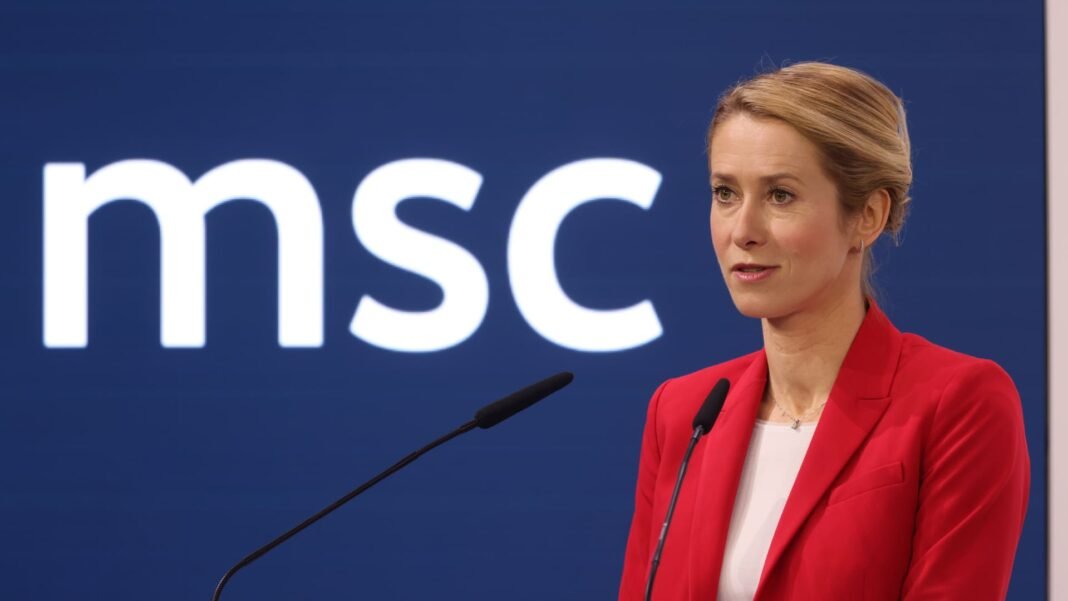
Reassessing Transatlantic Ties at the 2026 Munich Security Conference
A Renewed Pledge Amid Persistent Disagreements
the 2026 Munich Security Conference revealed a multifaceted relationship between Europe and the United States, marked by longstanding alliances alongside unresolved disputes. Following last year’s sharp criticism from U.S. Vice President JD vance concerning Europe’s democratic standards and migration policies, this year saw a more conciliatory tone as U.S. Secretary of State Marco Rubio highlighted common cultural roots and aligned objectives.
Rubio reassured European officials that America remains steadfast in its partnership wiht Europe,emphasizing,“we want Europe to be strong”,underscoring their intertwined futures-a message warmly received by many European capitals seeking steadiness amid global uncertainties.
Ongoing Divergences on Key Issues
Despite Rubio’s efforts to bridge gaps, significant differences endure. German Foreign Minister Johann Wadephul pointed out persistent disagreements over migration strategies, digital governance regulations, and freedom of expression norms within Europe.
“While we value the reaffirmation of our alliance,” Wadephul remarked, “there are still substantial areas where our perspectives do not align.” this candid acknowledgment reflects deeper debates about sovereignty and policy independence shaping transatlantic relations today.
From Confrontation to Constructive Engagement?
The previous year’s confrontational stance from Vance had spotlighted concerns about Europe’s political direction; he accused it of drifting away from fundamental democratic values shared with the U.S.In contrast, Rubio’s speech sought to find common ground without ignoring existing frictions-an approach some participants viewed as essential for fostering meaningful dialog rather than mere rhetoric.
Europe’s Drive Toward Strategic Independence
A dominant theme throughout the conference was Europe’s determination to lessen its dependence on American security guarantees amid mounting pressures from Russia’s assertiveness and china’s growing global influence. The discussions emphasized an urgent need for Europe to enhance both its military strength and economic self-sufficiency.
- Kaja Kallas, EU Chief Diplomat, stressed that despite occasional disagreements with washington-notably regarding defense budgets-the transatlantic alliance remains vital for maintaining international stability.
- “Criticism of Europe has become somewhat trendy in certain American circles,” Kallas observed during a panel debate but questioned what realistic alternatives exist if cooperation is abandoned.
Diverse Opinions Within European Leadership
The reception toward Rubio’s message was not universally positive across Europe. France’s Minister Delegate for Europe Benjamin Haddad warned against complacency fostered by diplomatic pleasantries: “We must shift focus away from American declarations toward reinforcing our own defense capabilities.”
He advocated prioritizing support for Ukraine amidst ongoing Russian aggression while simultaneously boosting competitiveness within European industries as critical steps forward in securing regional resilience.
Broadening Global Alliances Beyond Traditional Partners
The conference also highlighted europe’s strategic push to expand partnerships beyond conventional Western frameworks:
- Japan: Strengthening cooperation on technology exchange and security dialogues aims at countering Asia-Pacific regional threats while enhancing supply chain robustness worldwide.
- India: With one of the fastest-growing economies globally-projected GDP growth rates near 6-7% annually-India emerges as both an economic powerhouse and strategic partner against authoritarian regimes worldwide.
- Brazil: Engagements focus on sustainable advancement projects coupled with trade expansion opportunities within Latin America’s largest economy following recent political reforms designed to stabilize governance structures.
“European sovereignty is evolving,” wadephul explained.“we are becoming increasingly self-reliant while preserving crucial alliances-and embracing new partners who share our vision for a balanced multipolar world.”
Tackling Emerging Threats: Unity or Fragmentation?
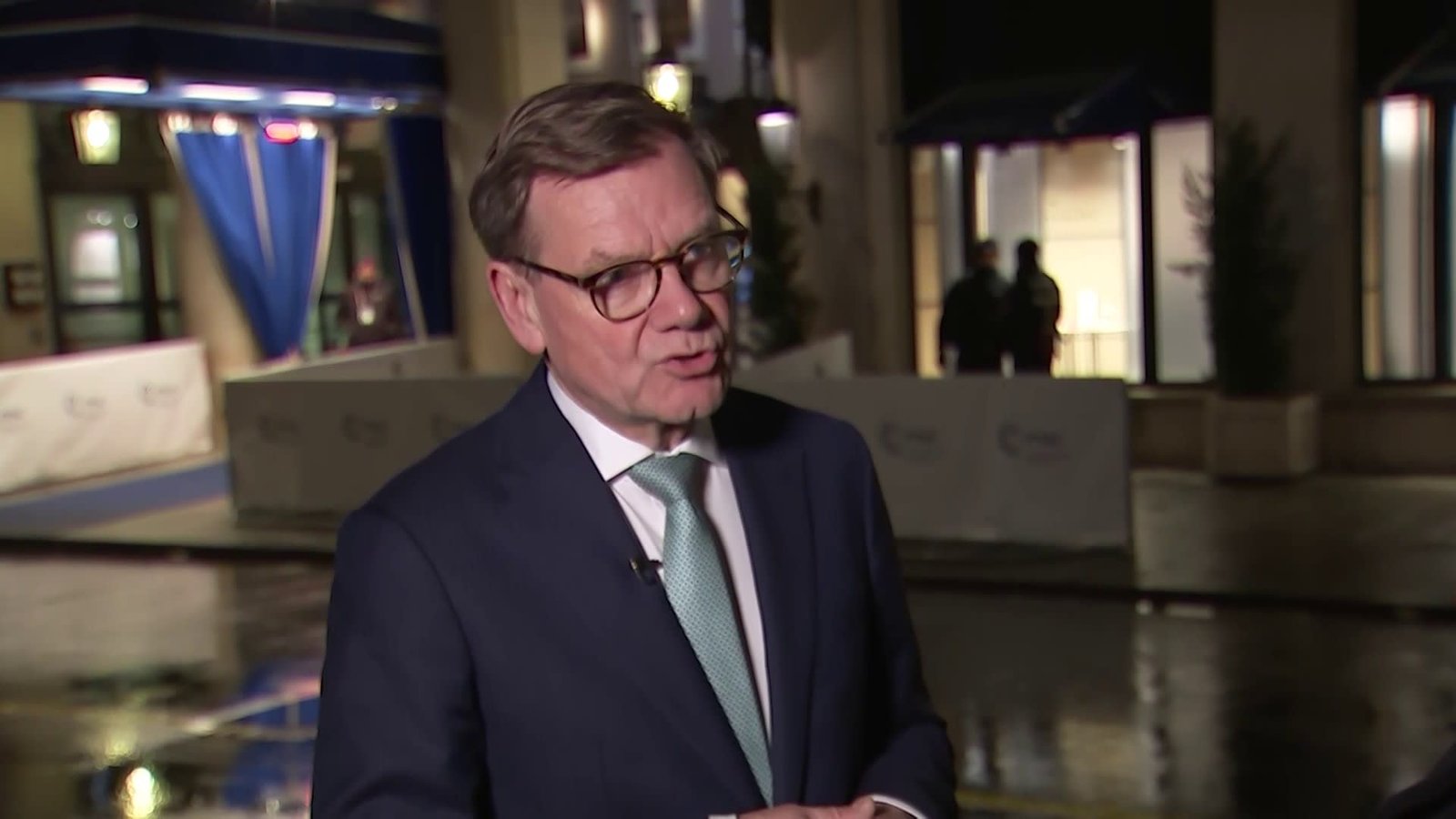
“History teaches us that peace demands constant vigilance; today we face novel challenges requiring renewed solidarity between America and Europe.”
This reflection encapsulates ongoing deliberations about confronting modern threats such as cyberattacks targeting critical infrastructure or disinformation campaigns undermining democracies across continents-a reminder that despite differing approaches or priorities, transatlantic cooperation remains indispensable to safeguarding shared values well into the future.