Australia’s Approach to Repatriating Women and Children Connected to ISIL in Syria
The Australian government, under Prime Minister Anthony albanese, has taken a firm stance against facilitating the return of Australian women and children linked to suspected ISIL militants currently held in Syrian detention camps.
Firm Government Policy on Returnees
Prime Minister Albanese has clearly stated that Australia will not support or assist the repatriation of these individuals. While acknowledging the difficult circumstances faced by children,he emphasized accountability: “Those who chose to join forces threatening our society must face the consequences.” His message underscored personal responsibility with the phrase,”You make your bed,you lie in it,” signaling no intention for governmental intervention.
Legal Ramifications for Those Who Return
A representative from Home Affairs Minister Tony Burke’s office reiterated that any Australians returning from Syria implicated in criminal activities will be prosecuted under domestic law.The government is committed to enforcing full legal action against offenses connected with ISIL involvement.
Recent Events at Kurdish-administered Detention Centers
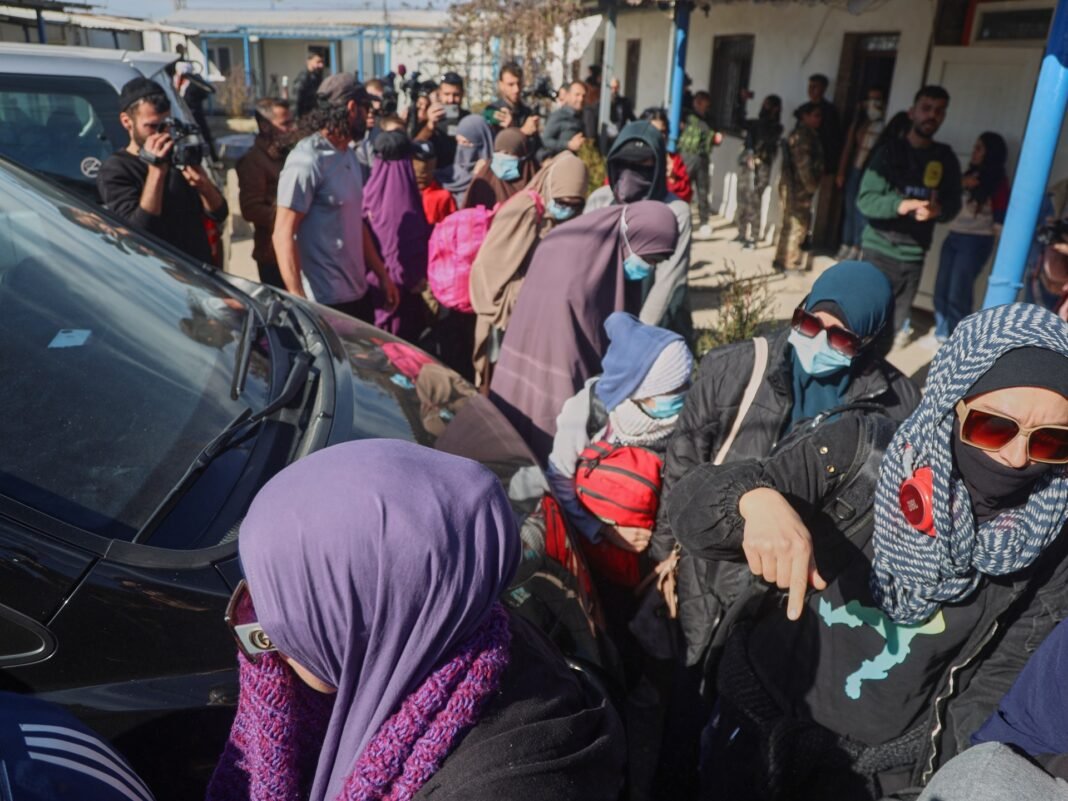
This week saw 34 australian women and children temporarily released from Roj camp-a Kurdish-run facility in northern Syria-only for their release to be reversed due to bureaucratic hurdles. These individuals are reportedly relatives of ISIL fighters.
The camp’s administration confirmed these families were handed over to visiting relatives from Australia intending repatriation. However, as they traveled toward Damascus-the gateway city for flights back home-they were denied entry by Syrian authorities lacking proper authorization.
An official at Roj explained ongoing talks between family representatives and syrian officials aimed at resolving access restrictions so repatriation can proceed smoothly.
Public Concerns Amid Heightened Security Awareness
The debate over bringing back these individuals is intensified by public anxiety following recent violent incidents within Australia. After a mass shooting at a cultural festival last year resulted in multiple fatalities, fears persist that some returnees might still harbor extremist views despite outward signs of rehabilitation.
“Many Australians worry that beneath apparent reform lies continued radicalization among some returnees,” noted an expert on Middle Eastern security dynamics.
Moral Responsibilities Versus National Safety Priorities
Human rights organizations have challenged government policies through legal channels advocating repatriation based on humanitarian grounds-especially concerning vulnerable children stranded abroad. Still, courts have upheld governmental discretion citing limited jurisdiction over detainees held outside national borders.
A tragic case illustrating these complexities involved a 17-year-old Australian boy who died while detained in Syria last year-highlighting both humanitarian concerns and security dilemmas confronting policymakers today.
Syria’s detention Facilities: An Overview of Current Conditions
- Roj Camp: Operated by Kurdish authorities; houses foreign nationals including Australians connected directly or indirectly with ISIL affiliates.
- Al-hol Camp: Previously accommodated around 24,000 detainees before control shifted back to Syrian government forces earlier this year; included thousands of foreign women and children amid mostly Iraqi and Syrian populations.
An International Trend Toward Cautious Repatriation Policies
This cautious approach reflects global reluctance as many nations resist accepting citizens associated with extremist groups detained across northeast Syria. For instance:
- The United Kingdom revoked citizenship from Shamima Begum-a London-born woman who left as a teenager intending marriage with an ISIL fighter-and recently denied her appeals against statelessness.
- Began living without nationality since she lacks Bangladeshi citizenship despite heritage; she remains confined under conditions similar to those affecting Australians within camps like Roj.
Navigating Ethical Complexities Amid Security Challenges
This situation raises profound ethical questions about balancing humanitarian obligations toward vulnerable groups-notably children-with protecting national security interests amid persistent global terrorism threats. As governments confront shifting geopolitical realities marked by changing control over detention sites such as Roj and al-Hol camps,a coordinated international strategy remains urgently necessary but elusive .

“The challenge extends beyond immediate risk management toward developing sustainable reintegration plans should repatriations occur,” experts emphasize regarding future policy directions.”
The path Forward: Policy Obstacles & Public Discourse
- Diplomatic Barriers: Negotiations continue between family advocates and Syrian officials seeking safe transit amid complex regional politics.
- Court Decisions Shaping Humanitarian Efforts: Judicial rulings reinforce governmental authority limiting intervention beyond borders.
- Evolving Public Opinion Influenced By recent Violence: Civic apprehension informs political mandates resisting returns perceived as potential threats.