Figma Launches “Code to Canvas”: AI-Driven Design Meets Seamless Editing
Figma has introduced an innovative feature called “Code to Canvas”, developed in partnership with Anthropic.This tool converts AI-generated code from platforms such as Claude Code into fully customizable design components directly within Figma’s interface.
Connecting AI Coding with Collaborative design Workflows
The “code to Canvas” functionality bridges the gap between artificial intelligence coding assistants and Figma’s creative environment. Designers and developers can now import functional UI elements created through AI prompts straight onto the canvas,allowing teams to iterate rapidly,compare multiple versions side by side,and make collective visual decisions more effectively.
This advancement highlights the increasing emphasis on human-centered design amid rapid progress in agent-driven coding technologies.While some predict that future AI might bypass conventional design phases altogether, Figma focuses on augmenting creativity rather than replacing it.
SaaS Sector Volatility Reflects on Figma’s Market Performance
The software-as-a-service (SaaS) industry has faced significant instability recently, often dubbed the “SaaSpocalypse” by market analysts. The iShares Software ETF (IGV),which tracks major SaaS companies like Salesforce,ServiceNow,and Intuit,has entered bear market territory due to widespread sell-offs causing double-digit losses across these firms.
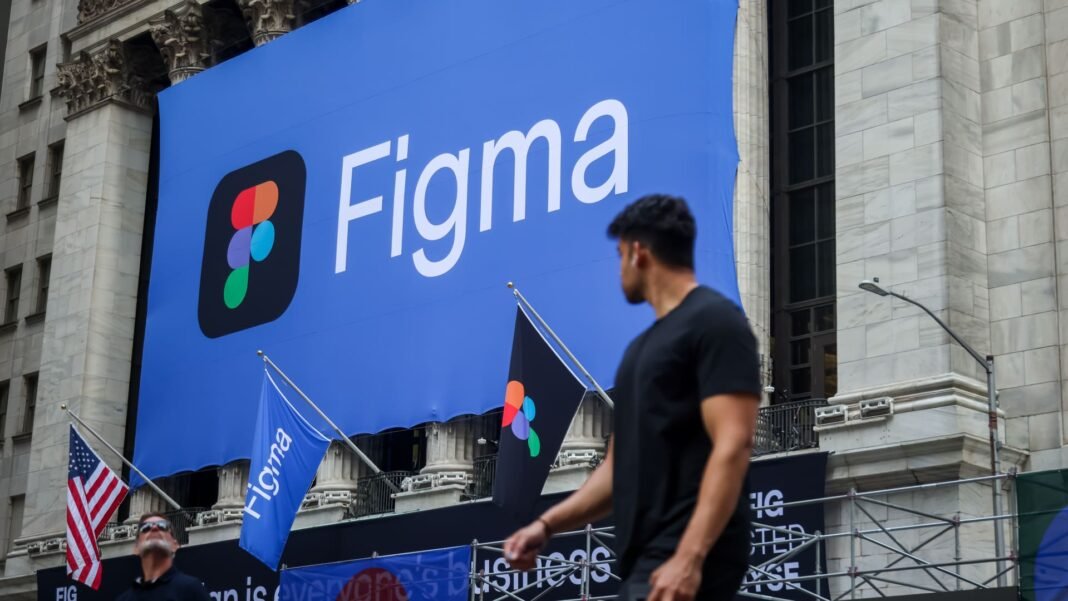
Figma’s stock has mirrored this trend since its debut last summer on the New York Stock Exchange. After peaking near $143 in August, shares have plummeted roughly 85%, reflecting broader investor skepticism about SaaS valuations rather than company-specific weaknesses. The company is scheduled to announce earnings after market close this Wednesday.
AI Competition Accelerates Innovation in Creative Technologies
The collaboration between Figma and Anthropic exemplifies a fierce rivalry among top artificial intelligence companies vying for leadership in creative tech solutions. Once niche players like OpenAI and Anthropic are now driving rapid innovation cycles that are transforming how digital products are conceptualized and constructed.

Navigating design’s Future Amidst Expanding AI capabilities
With enterprise adoption of artificial intelligence tools surging over 60% year-over-year according to recent studies, design teams face both exciting possibilities and new challenges ahead. Even though automated code generation speeds up initial interface creation considerably, human insight remains essential for polishing user experience details that current machines cannot fully master yet.
- Smoother Collaboration: “Code to Canvas” enables integrated feedback loops where technical functionality meets aesthetic refinement instantly within one platform.
- Simultaneous Variations: Designers can assess multiple AI-generated alternatives concurrently without sacrificing context or quality control during decision-making processes.
- Permanence of Designer Roles: Despite automation reshaping workflows across industries, specialized tools like those from Figma ensure designers continue playing a pivotal role throughout product development lifecycles.