U.S. Court Sentences Ukrainian National to Five Years for Enabling North Korean Identity Theft Scheme
A federal court in the United States has sentenced a Ukrainian citizen to five years in prison for his involvement in a large-scale identity theft operation that allowed North Korean workers abroad to fraudulently obtain employment with numerous American companies.
Unveiling the Identity Theft Network and Its Consequences
Oleksandr Didenko, 29, from Kyiv, was found guilty of masterminding a scheme that supplied stolen U.S. citizen identities to North Koreans seeking jobs within the United States. This illegal activity enabled these individuals to earn wages which were then secretly funneled back to Pyongyang, helping finance North KoreaS nuclear weapons program despite strict international sanctions.
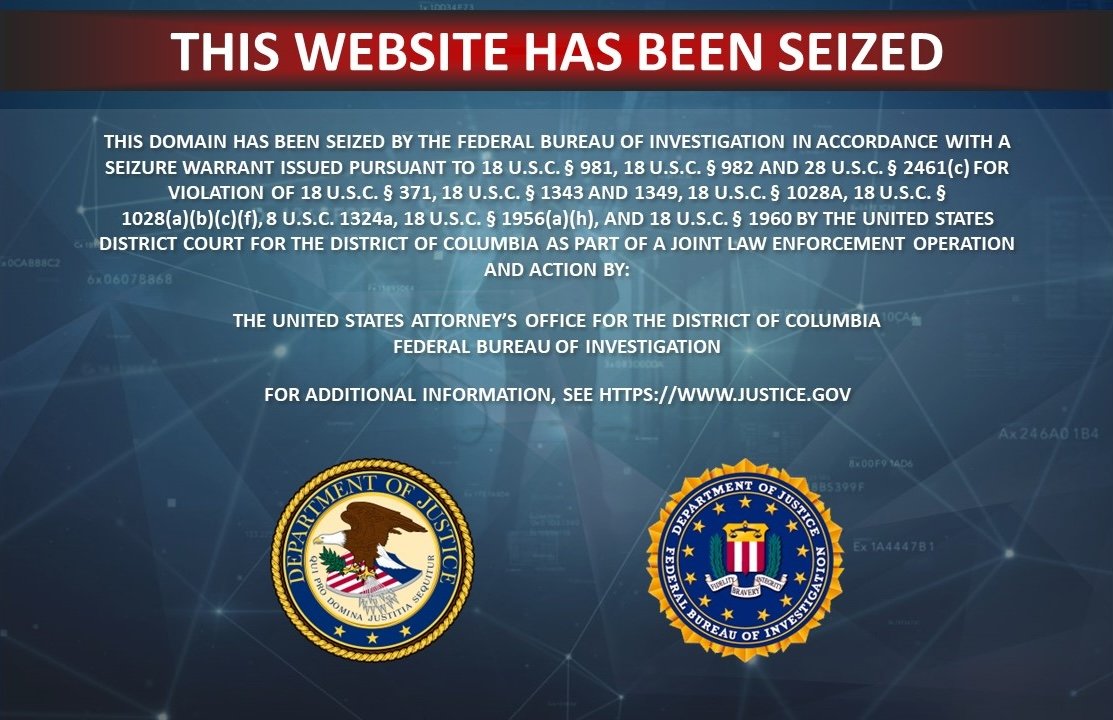
Didenko managed an online platform called Upworksell,which facilitated the sale or rental of more than 870 stolen identities used by overseas operatives-including many from North Korea-to gain unauthorized access to U.S.-based workplaces. in early 2024, the FBI took control of Upworksell’s website and redirected its traffic through government servers as part of their crackdown.
The Emergence of “Laptop Farms” in Remote Work Fraud
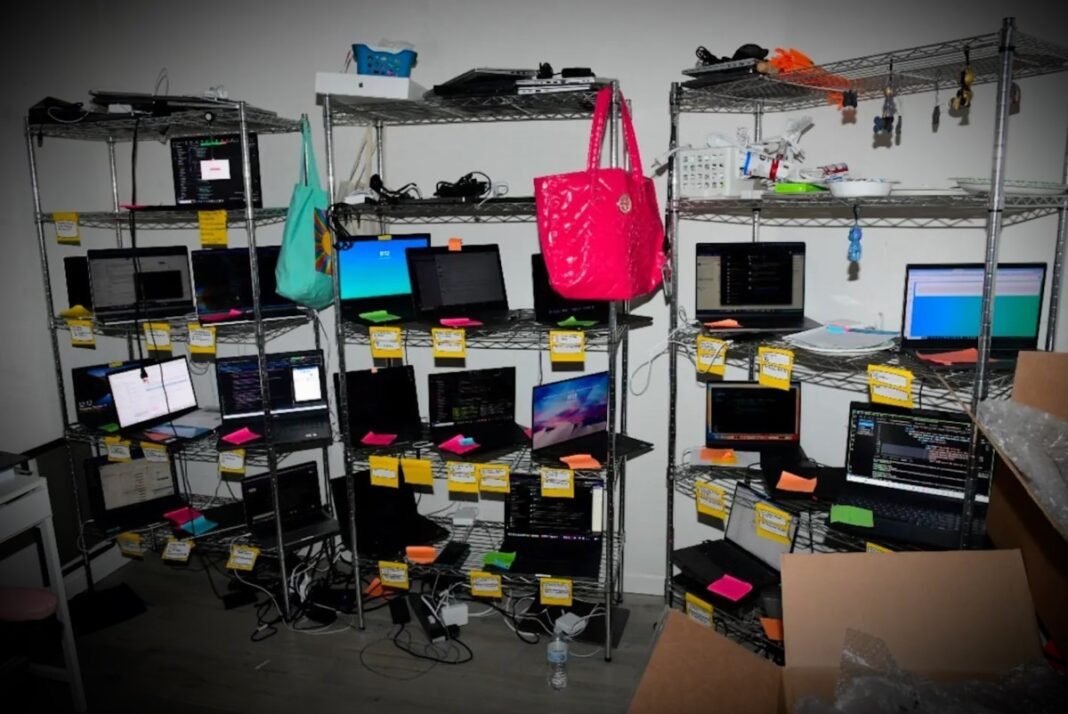
The Department of justice disclosed that Didenko also paid individuals across California, Tennessee, and Virginia for hosting so-called “laptop farms.” These setups consisted of rows upon rows of laptops allowing remote workers-primarily North Koreans-to perform tasks remotely while appearing as if they were physically located inside the United States.
Growing Risks: The Expanding threat from Illicit Remote Workers Linked to Pyongyang
Cybersecurity firms have observed a sharp rise in attempts by North Korean agents posing as remote IT specialists or software engineers infiltrating Western companies under false pretenses. CrowdStrike reported meaningful growth last year in such infiltration efforts, highlighting risks ranging from sanctions violations to corporate espionage.
This trend reflects a broader strategy where Pyongyang leverages global digital workforces and cyber operations not only for financial profit but also intelligence collection and extortion against organizations reluctant to disclose breaches publicly.
Sophisticated Deception Beyond Employment Scams
Apart from identity theft rings like Didenko’s operation,North Korean actors frequently impersonate venture capitalists or recruitment consultants targeting high-value individuals with access to assets such as cryptocurrency wallets. These social engineering campaigns have caused billions in losses worldwide through highly convincing scams built on exploiting trust.
Coordinated Law Enforcement Efforts Across Borders
- Didenko was arrested by Polish authorities before being extradited back to the United States where he pled guilty for facilitating this criminal network.
- The FBI’s takeover of Upworksell disrupted one major channel used for laundering stolen identities into legitimate job placements across dozens of American companies spanning various sectors.
- This case highlights ongoing multinational collaboration aimed at dismantling complex cyber-enabled fraud schemes linked directly or indirectly with sanctioned regimes like that governing North Korea.