Chile’s Strategic Role in the U.S.-China Geopolitical Contest
Digital Infrastructure as a new Battleground
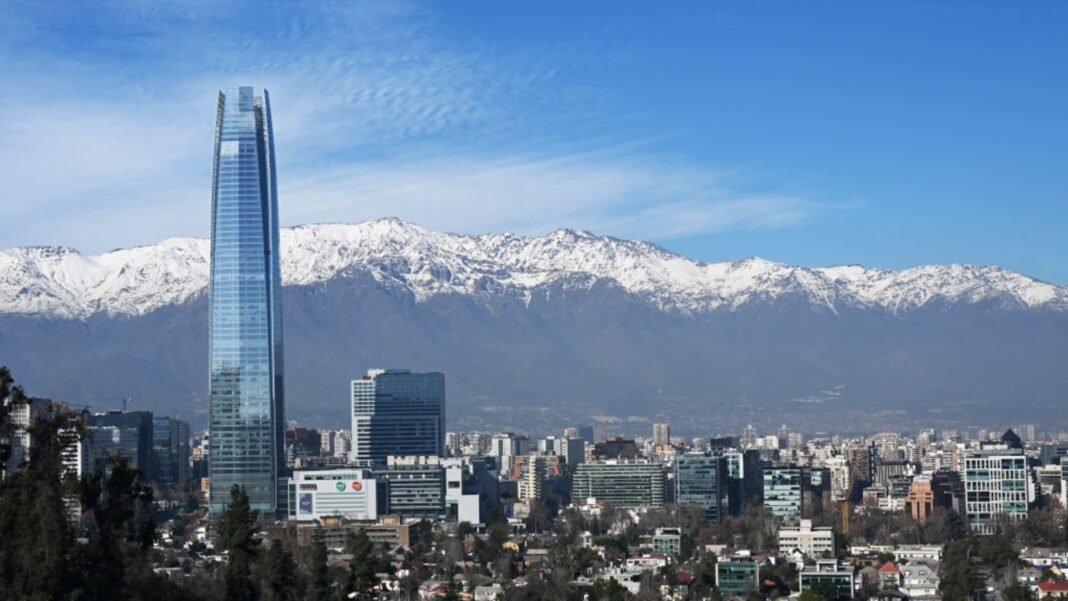
Chile has emerged as a critical arena in the intensifying rivalry between the United States adn China across Latin America.While the U.S. continues to be Chile’s top foreign investor, China holds the position of its leading trade partner, creating a delicate balance as both nations compete for regional influence.
The controversy centers on a subsea fiber-optic cable project involving Chinese firms, which has sparked significant concern among U.S. officials over potential security risks to hemispheric stability. In an unprecedented move, U.S. Secretary of State Marco Rubio imposed visa restrictions on three Chilean government figures linked to this initiative, citing threats to national and regional safety.
Diplomatic Reactions and Political Tensions
Outgoing President Gabriel Boric condemned these sanctions vehemently, emphasizing that Chile does not engage in activities that compromise its own or Latin America’s security interests.Among those affected is Juan Carlos Muñoz, Minister of Transport and Telecommunications; however, identities of the other two officials remain confidential.
The American ambassador defended these actions as sovereign measures necessary to safeguard regional stability amid growing apprehension about China’s expanding presence throughout latin America.
A Crucial Juncture Before Political Transition
This diplomatic friction arises just days before a major summit convening Latin American leaders in Miami and only weeks ahead of José Antonio Kast’s inauguration as Chile’s new president. Kast’s right-wing government faces immediate pressure to navigate this geopolitical tug-of-war while advancing its domestic agenda.
The Vital Role of Submarine Cable Networks
Undersea fiber-optic cables carry nearly 95% of global internet traffic today-enabling everything from international communications to cross-border financial transactions-making them indispensable infrastructure wiht profound geopolitical significance.

Mariano Machado, lead analyst at Verisk Maplecroft specializing in Americas risk intelligence, describes Washington’s recent moves as “a strategic signal” indicating that future decisions regarding critical infrastructure will be viewed through geopolitical considerations rather than solely commercial interests.
Navigating Complex Geopolitical Pressures for Future Growth
Kast’s upcoming engagements with U.S. officials during forums such as the Shield of the Americas summit will provide early insights into how effectively Chile can manage competing demands from both superpowers under intense scrutiny. Success hinges on implementing transparent governance structures alongside stringent security protocols-key factors for securing sustainable investment amid escalating tensions.
The Expanding Chinese Footprint Meets U.S. Pushback
The Chinese embassy criticized Washington’s visa restrictions as an infringement on Chilean sovereignty and national priorities-a reflection of broader tensions fueled by China’s growing economic involvement across Latin America over recent years.
“The United states’ approach resembles a modern-day ‘Monroe Doctrine,’ aiming to restrict China’s influence within what it perceives as its customary sphere,” analysts monitoring regional affairs have noted.
Recent Regional Incidents Highlight Intensifying Rivalry
- Panama: The Supreme Court annulled port operation contracts held by Hong Kong-based CK Hutchison near the Panama Canal-a move widely interpreted as aligning with efforts led by Washington to limit Chinese control over key logistics hubs vital for global trade flows.
- Cuba: The Trump-era governance escalated pressure by threatening tariffs against countries supplying oil to Havana amidst ongoing political disputes with Cuba’s communist government-demonstrating continued use of economic tools against Beijing-aligned regimes in the region.
- Venezuela: A high-profile military operation aimed at ousting Nicolás Maduro underscored Washington’s readiness for assertive intervention against governments perceived either aligned with Beijing or antagonistic toward American interests in Latin America.
A Defining Moment for Chile Amid Global Power Realignments
Santiago now faces heightened diplomatic strain just weeks before leadership changes hands later this month. How President-elect José Antonio Kast manages relations between Washington and Beijing could establish critically important precedents-not only shaping his administration but also influencing broader trends defining Latin America’s role within evolving global strategic competition well into 2026 and beyond.