Third Phase of Indirect Nuclear Talks Unfolds Amid Escalating US Military Presence in the Middle East
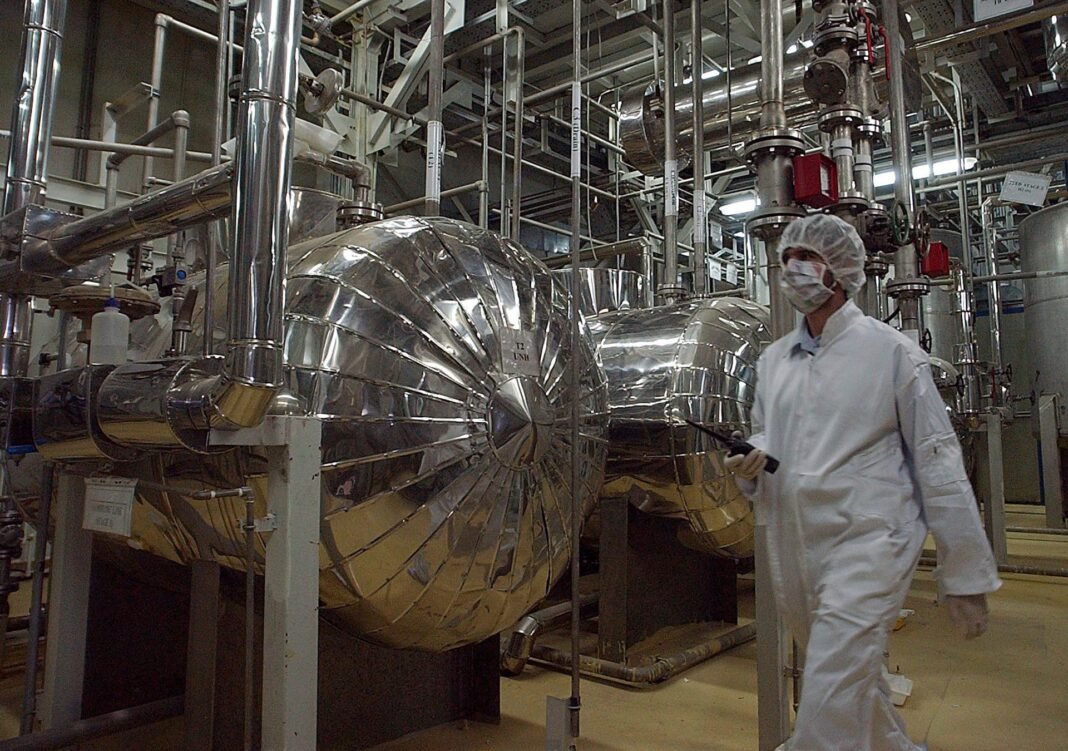
Representatives from Iran and the United States are set to commence their third round of indirect nuclear negotiations in Geneva,Switzerland. These discussions occur against a backdrop of intensified US military deployments throughout the Middle East, heightening regional tensions.
Escalating US Military Deployment Raises Regional Concerns
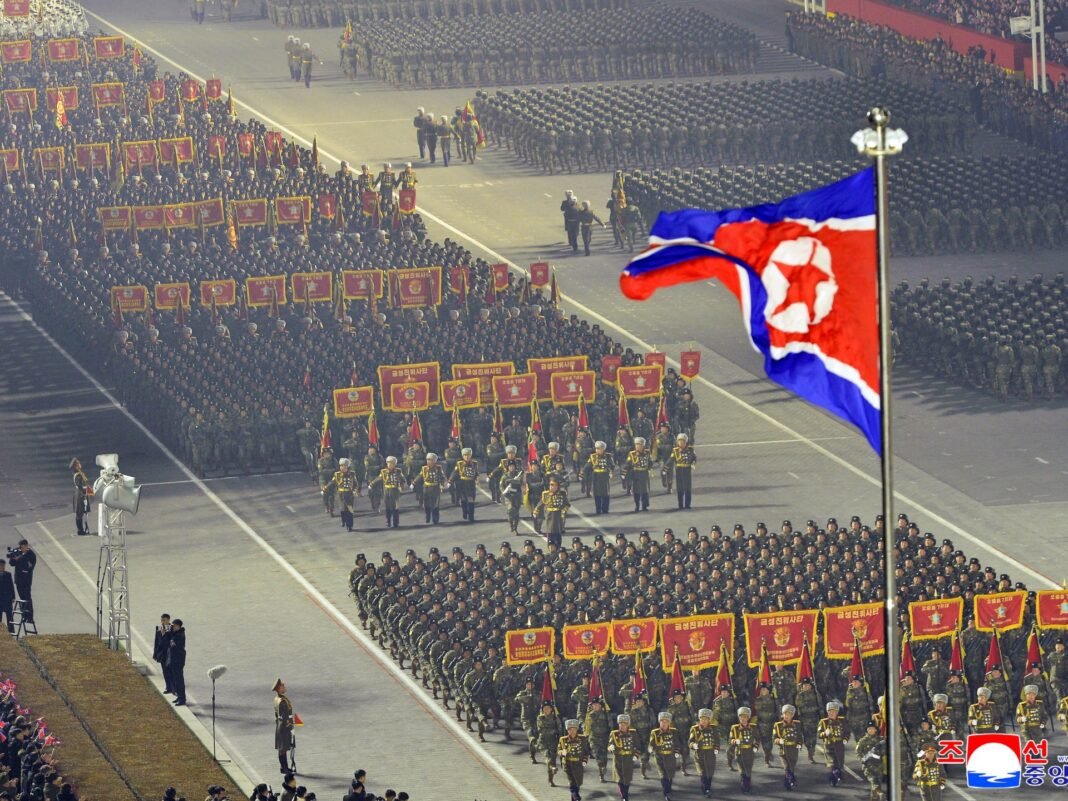
The United states has notably expanded its military footprint near Iran’s borders, deploying additional troops and naval forces-one of the most significant surges in recent years. This buildup has led several countries to advise their nationals to leave Iran due to fears over possible American military actions.
Cautious Hope Emerges Despite Diplomatic Strains
In spite of ongoing tensions, Iranian officials have conveyed guarded optimism regarding potential breakthroughs ahead of these Geneva talks. They highlight what they describe as encouraging signals from Washington that may open pathways for meaningful dialog on nuclear matters.
The Importance and Challenges of Indirect Negotiations
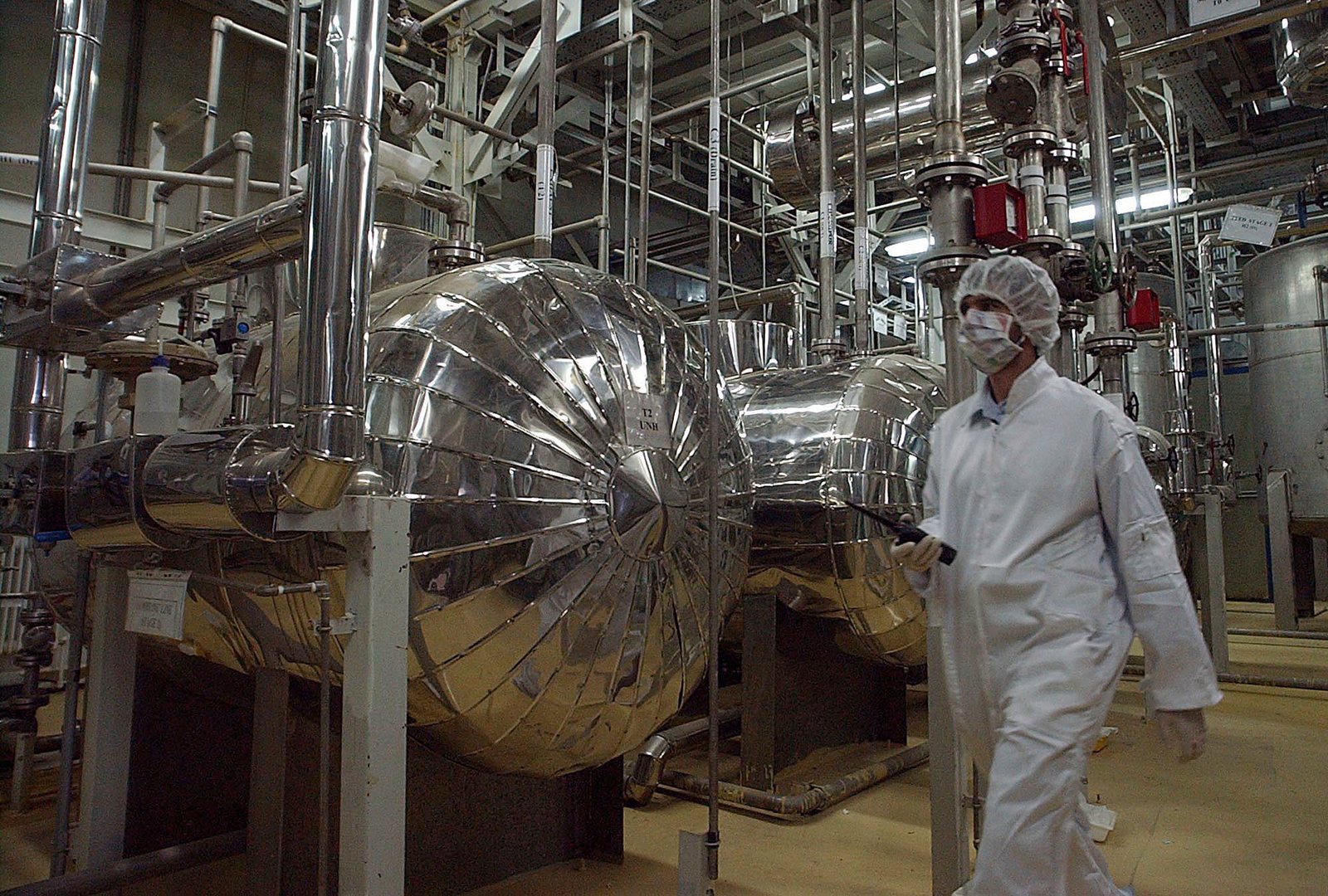
This series continues a pattern where intermediaries bridge communication gaps between Tehran and Washington due to diplomatic restrictions preventing direct talks. The primary objective remains limiting Iran’s nuclear ambitions while managing shared security concerns without triggering armed conflict.
- The negotiations illustrate a delicate interplay between diplomatic engagement and strategic deterrence amid an unstable regional environment.
- Experts emphasize that successful agreements could lower risks not only for Iran and the US but also for neighboring states vulnerable to repercussions from any escalation.
- The current geopolitical landscape highlights how tenuous peace efforts are despite gradual progress through diplomacy.