



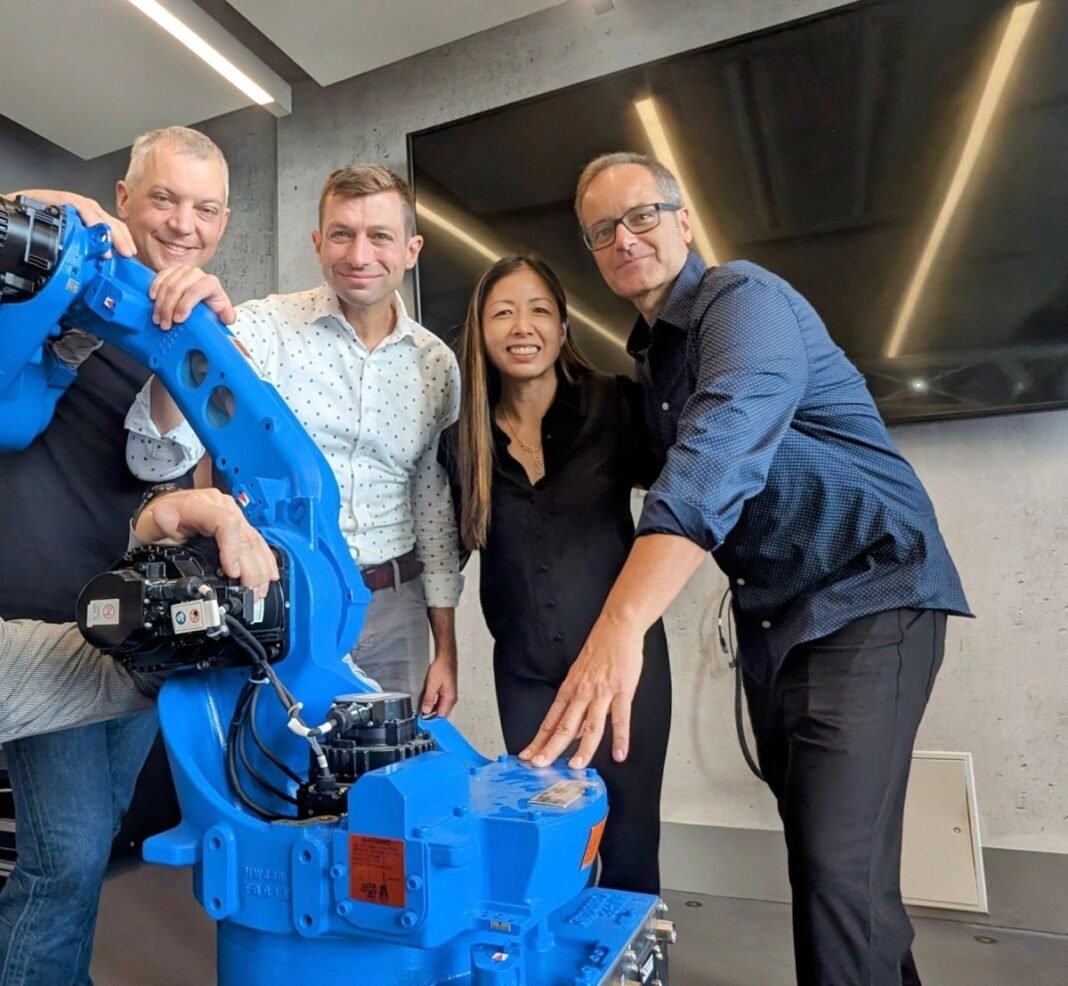
Google Advances Physical AI Through Integration with Intrinsic
Google is broadening its influence in the physical artificial intelligence sector by integrating intrinsic, a robotics software company dedicated to making industrial automation more accessible and widespread.
Intrinsic’s Change and Strategic Alignment
Intrinsic, an Alphabet-owned firm specializing in AI-powered robotics software, has now been incorporated into Google’s ecosystem. While retaining operational independence, Intrinsic will collaborate extensively with Google DeepMind and utilize Google’s Gemini AI models alongside its cloud infrastructure to boost innovation.
The financial specifics of this integration have not been disclosed.
From Experimental Roots to Robotics industry Leader
initially incubated within Alphabet’s X division for half a decade, Intrinsic spun off as an independent entity under Alphabet ownership in 2021. This evolution follows the trajectory of othre pioneering ventures like Waymo and Wing that transitioned from X labs into standalone companies focused on commercializing breakthrough technologies.
Expansion via Acquisitions and Product Innovation
Soon after becoming independent, Intrinsic accelerated growth by acquiring Vicarious-a robotics software startup supported by investors including Jeff Bezos-with funding surpassing $250 million though terms remain private. Later that year, it integrated several commercial units from Open Robotics, a nonprofit championing open-source robotic hardware and software development.
This rapid expansion was moderated when the company trimmed its workforce by 20% at the beginning of 2023 amid broader industry adjustments affecting many tech firms.
Simplifying Robotics: The Introduction of Flowstate
A few months post-layoffs, Intrinsic launched Flowstate-a platform designed to streamline robotic workflow creation for users lacking deep technical expertise. This initiative supports their mission to democratize industrial automation across various sectors.
The company has since upgraded simulation capabilities and rolled out the advanced Intrinsic Vision AI model toward late 2025, enhancing their technology stack further.
Collaborative Innovations Shaping Next-Gen Manufacturing
In October 2025, Intrinsic entered a joint venture with Foxconn aimed at developing adaptable smart robots poised to transform electronics manufacturing processes.Their shared goal is fully automated factories powered by state-of-the-art physical AI solutions capable of dynamic task execution.
The Fusion of Google’s AI Strengths with Industrial Automation Expertise
This partnership fosters deeper synergy between Google’s extensive artificial intelligence resources and Intrinsic’s specialized robotics knowlege. According to Wendy Tan White-Intrinsic’s CEO-the collaboration promises revolutionary changes in manufacturing efficiency and economics worldwide through scalable physical AI applications.
The Expanding Landscape: Physical AI as a Key Growth Driver
- Nvidia CEO Jensen Huang: Identifies physical AI as essential for unlocking new revenue streams beyond conventional digital technologies in coming years.
- Qualcomm President cristiano Amon: Highlights how embedding smart intelligence into tangible devices will spark innovation across factory floors and office environments alike.
“By merging Google’s unmatched infrastructure with our deep expertise in robotics software development, we aim to unlock unprecedented opportunities that redefine global production efficiency,” stated Wendy Tan White during recent announcements.
The Future Outlook: Harnessing Physical AI for Advanced Manufacturing Excellence
The global market for industrial automation is projected to exceed $300 billion annually by 2030,, positioning Intrinsic’s alliance with google at the forefront of this transformative wave.
- Diverse Industry Applications: From automotive plants deploying adaptive robotic arms capable of autonomously learning new tasks-to pharmaceutical facilities utilizing clever inspection systems-physical AI is reshaping multiple sectors worldwide today.
- User-Centric Platforms: Solutions like Flowstate reduce barriers for developers entering robot programming without requiring extensive technical backgrounds.
- Sustainability Benefits: Smart automated factories can significantly cut waste while optimizing energy use compared with conventional manual operations.
An Era Where Software Intelligence Seamlessly Integrates With Hardware Autonomy
This strategic move underscores Google’s dedication not only toward advancing theoretical machine learning but also embedding these capabilities tangibly within everyday manufacturing settings-ushering an era where physical ai endows machines with remarkable autonomy combined with human-like adaptability on factory floors globally.


