CFIA Enforces penalty for Misleading “Product of Canada” Food Labels
False Canadian Origin Claims Trigger Regulatory Response
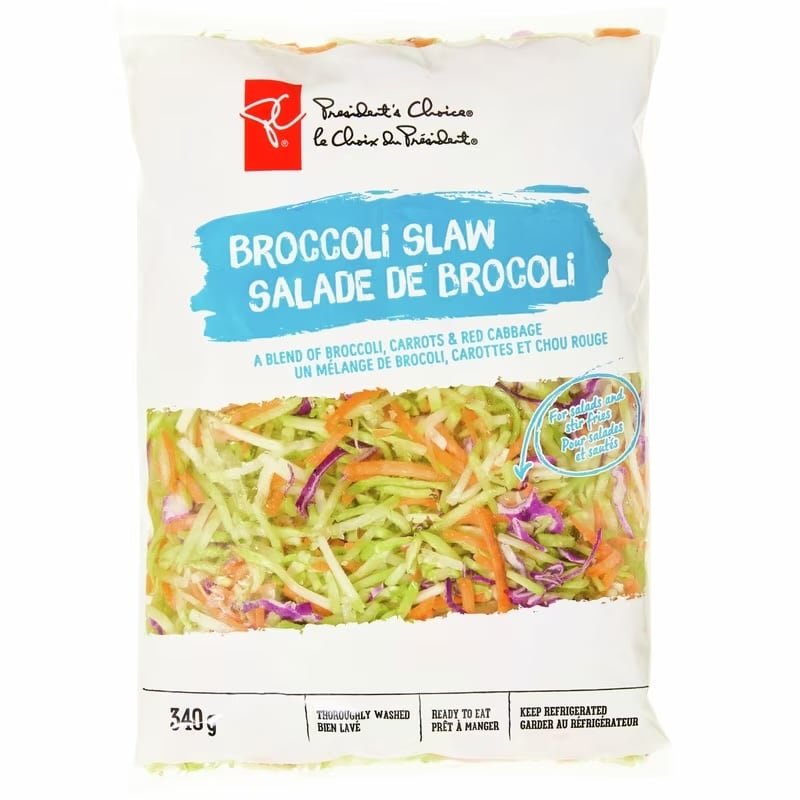
The Canadian Food Inspection Agency (CFIA) recently fined a Toronto Superstore owned by Loblaw $10,000 for falsely presenting imported food as Canadian-made. The violation involved president’s Choice broccoli slaw, a shredded broccoli salad sold under Loblaw’s private brand.
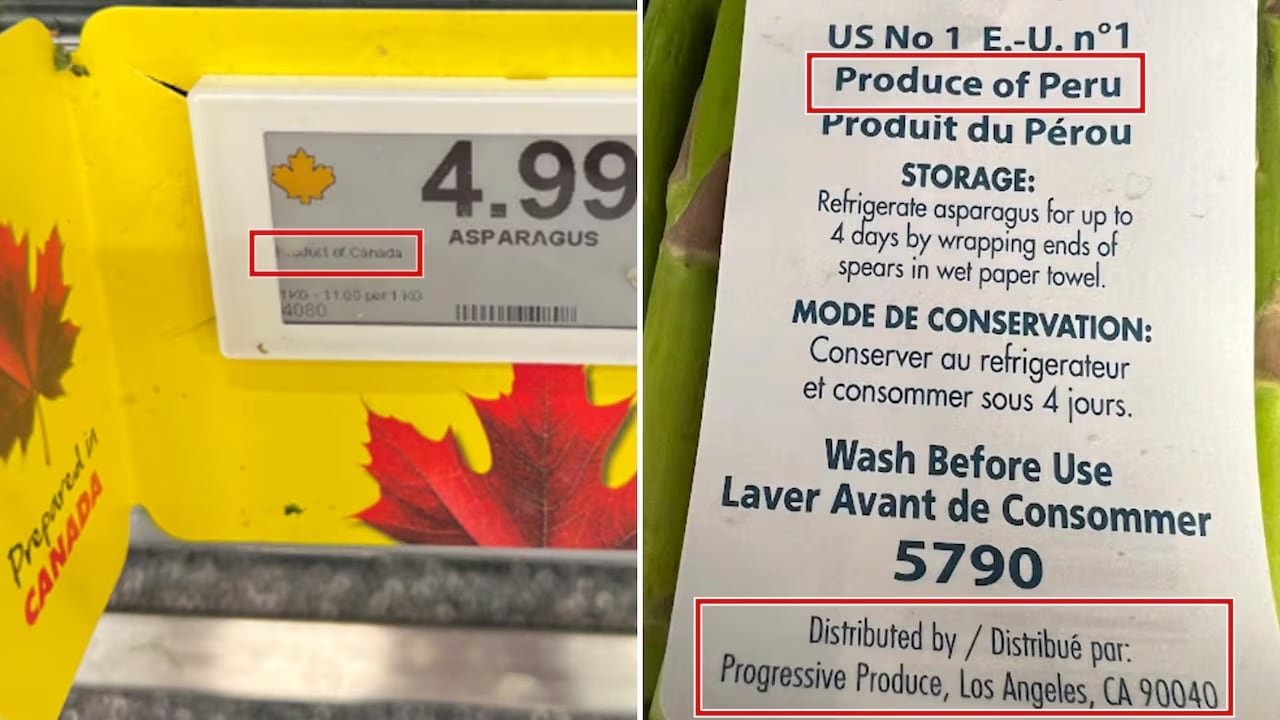
Although the packaging clearly indicated “Product of USA,” the product was displayed with maple leaf symbols and shelf tags suggesting it was produced in Canada. CFIA rules require that to carry the label “Product of Canada,” an item must be primarily grown or processed within Canadian borders.
Widespread Issue of “Maple Washing” among Grocery Chains
This case sheds light on a growing trend called “maple washing,” where retailers exploit Canadian imagery to promote foreign products deceptively. This practice has surged amid rising consumer demand for domestic goods following recent trade disputes and tariff changes affecting cross-border commerce.
While multiple grocery chains have been scrutinized for similar labeling tactics, only this particular fine has been publicly disclosed by CFIA so far. Investigations into other retailers such as sobeys remain active but unresolved.
Sobeys Faces Scrutiny Over Misleading Avocado Oil Labeling
A prominent example involves Sobeys’ Safeway store near Edmonton, where Compliments avocado oil was marketed with red maple leaf signage claiming it was “Made in Canada.” However,the product itself originated from outside Canada. After consumer complaints prompted corrections to these labels, CFIA is still determining whether further penalties are warranted.
The Debate Over Penalty Effectiveness Amid Corporate scale
The $10,000 fine against Loblaw has sparked public debate about whether such sanctions are meaningful deterrents given these companies’ vast revenues-loblaw reported quarterly retail sales exceeding $16 billion recently.
“Ten thousand dollars is insignificant to them; it won’t alter thier practices,” said Hamilton resident Brenda Nicholls. She argues that fines should start at $100,000 to truly discourage deceptive marketing that erodes trust in buy-Canadian efforts.
currently, federal regulations limit administrative monetary penalties related to food labeling violations at $15,000 per incident-a threshold many experts consider too low relative to corporate earnings involved. increasing these caps would require legislative reform aimed at bolstering enforcement against misleading country-of-origin claims.
Difficulties Retailers Face Ensuring Accurate Country-of-Origin Labels
Loblaw and Sobeys acknowledge ongoing efforts toward precise origin labeling but highlight challenges managing large inventories across numerous stores complicate compliance efforts. Complex supply chains involving multiple international suppliers add further hurdles toward consistent accuracy nationwide.
The Critical Role of Transparent Country-of-Origin Information for Consumers
Clear and truthful labeling empowers consumers who prioritize supporting local farmers and manufacturers through their purchases-especially during periods when geopolitical tensions or economic shifts intensify interest in national identity reflected through buying choices worldwide.
“Shoppers deserve transparent details about where their food originates so they can make purchasing decisions aligned with their values.”
future Directions: enhancing Oversight on Origin Labeling Claims
The CFIA continues probing cases brought forward by vigilant consumers while weighing enforcement measures balancing regulatory authority with industry realities. As awareness grows around deceptive marketing like maple washing, pressure mounts on policymakers to strengthen transparency standards protecting both buyers seeking authentic products and producers committed to honest representation alike.