Innovative Strategies to Combat the Skilled Trades Shortage in Retail
The retail industry stands as the largest private employer in the United States, generating over $5.3 trillion annually and providing jobs for more than a quarter of American workers. Despite its vast scale, this sector faces a critical challenge: an escalating shortage of skilled trades professionals vital to its daily operations.As veteran workers retire at a faster pace than new talent enters the field, retailers are grappling with disruptions that threaten store openings, supply chain efficiency, and overall customer satisfaction.
Understanding the Growing Skills Deficit Affecting Retail Operations
Skilled trades experts-including electricians who wire retail outlets, carpenters who build fixtures, and tailors who ensure product quality-play indispensable roles throughout retail environments. Their craftsmanship minimizes costly product returns and elevates customer experiences. However, with fewer individuals pursuing these careers today, retailers face operational slowdowns and struggle to keep up with shifting consumer demands.
This shortage extends beyond retail; projections indicate that by 2030 U.S. manufacturing will have approximately 2.1 million unfilled skilled trade positions due to recruitment challenges and retention issues. Currently, manufacturers fill only about 60% of their open roles on average nationwide-leaving nearly two out of every five positions vacant.
industry-Academic Partnerships Driving Workforce Advancement
A collaborative network involving major retailers such as Nordstrom; apparel brands like Carhartt and BRUNT Workwear; educational institutions including the Fashion Institute of technology (FIT); alongside trade organizations like the NRF Foundation is actively bridging this workforce gap through targeted training programs and certifications.
Nordstrom & FIT: Cultivating Tailoring Expertise Internally
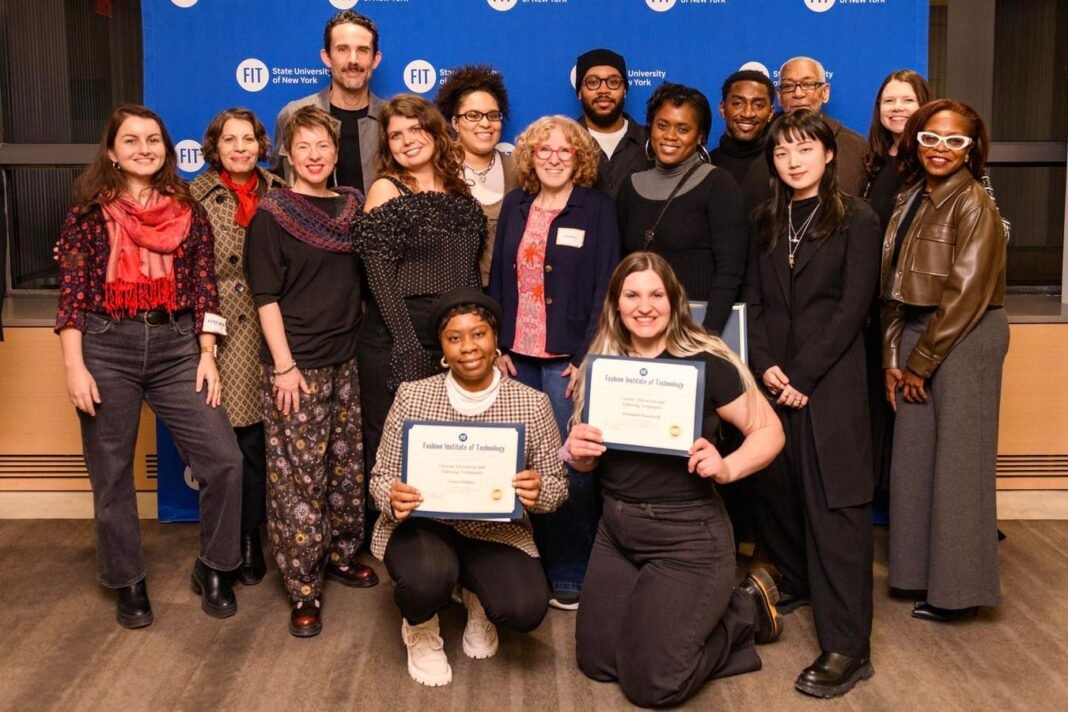
Nordstrom’s alliance with FIT exemplifies proactive talent cultivation via their custom Alterations and Tailoring Techniques certificate-a nine-week immersive course tailored for adult learners seeking entry or advancement in tailoring careers. Led by Broadway costume designer Michael Harrell at FIT’s Center for Continuing & Professional Studies, this program equips students with hands-on skills directly aligned with Nordstrom’s hiring needs.
“By collaborating closely with seasoned industry professionals during curriculum development,” explains marco Esquivel from Nordstrom’s alterations team, “we guarantee graduates possess precisely what our stores require from day one.”
This initiative emerged from Nordstrom’s difficulty recruiting experienced tailors externally amid shrinking labor pools. Rather of relying solely on traditional hiring methods, they invested fully in internal skill-building by covering tuition costs and supplies-eliminating financial barriers that frequently enough deter prospective candidates.
Transformative Outcomes Through Certification Programs
- Case Study: Jenny Robbins transitioned from a technical designer without formal tailoring credentials into an employed tailor at Nordstrom immediately after completing certification;
- Challenge: Despite extensive fashion design experience working alongside top designers, she struggled to prove her suitability for tailoring roles without official qualifications;
- Solution:the program provided practical training combined with mentorship opportunities leading directly to employment success post-graduation.
Broadening Impact: Carhartt’s Strategic Investments in Skilled Trades Education
Acknowledging widespread shortages across construction-related trades-with over 650,000 vacancies nationwide today-Carhartt has dedicated nearly $3.5 million as 2022 toward supporting accredited Career & Technical Education (CTE) programs through its ‘For the Love of Labor’ initiative.
“Our grant efforts extend beyond supplying durable workwear-they invest directly into dismantling obstacles so young people can pursue skilled trades careers,” states Linda Hubbard, President & CEO at Carhartt.
- The grants fund technical education programs across high schools spanning multiple states;
- An emphasis on empowering women entering traditionally male-dominated fields has resulted in doubling female apprenticeships since 2014;
- The company continuously innovates women-specific workwear based on direct feedback from female trade professionals onsite;
- This thorough approach fosters enduring career pipelines rather than temporary solutions-strengthening communities long-term.
A Boots-to-Work Ideology: BRUNT Workwear Equipping Tomorrow’s Tradespeople
Brought up around blue-collar workers himself, BRUNT Workwear founder Eric Girouard channels personal experience into designing worker-centric products . The brand involves actual tradespeople throughout product testing phases ensuring gear meets real-world demands effectively.
“We understand no one works harder than those lacing up boots daily keeping america moving,” Girouard shares.
- Pushed by surging interest among Gen Z-with trade school enrollment increasing over 20% since early pandemic years-the company set a donation goal exceeding 100K pairs of boots by decade-end .
- this past year alone saw distribution surpassing
, equipping students embarking on skilled career paths. , equipping students starting their journeys toward skilled careers.
The NRF Foundation’s Comprehensive Workforce Strategy for Retail Success
The National Retail Federation Foundation acts as a pivotal connector within retail-from vendors through technology providers-to confront labor shortages head-on.
Its RISE Up credentialing program emphasizes not only technical expertise but also essential soft skills such as customer service critical across all business functions.
Partnering annually with more than
As highlighted internally: “Retail offers far more than entry-level jobs; strategic investment in workforce development builds competitive advantages crucial for future growth.”
The synergy between initiatives like Nordstrom-FIT’s certificate course,
Carhartt’s educational grants,
and BRUNT’s equipment donations demonstrates how proactive investment-not passive waiting-is key
to closing skill gaps while nurturing diverse talent pools ready
to sustain America’s vital industries.