Unraveling the Persistent Political Deadlock in Iraq
Iraq continues to face a deep-rooted political impasse,with no new government established as the general elections held last November. This ongoing leadership void perpetuates uncertainty and fuels instability across the nation.
The controversial Nomination of Nouri al-Maliki
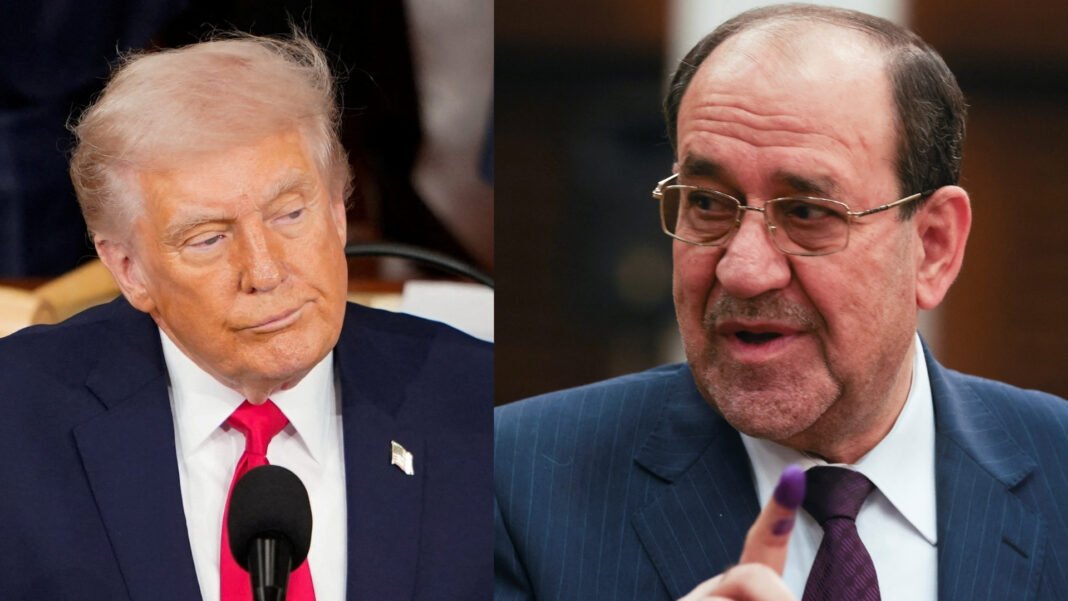
At the heart of this stalemate lies Nouri al-Maliki,the former prime minister who has been put forward by the parliamentary majority coalition to reclaim his previous role. His nomination has sparked intense debate both domestically and on the international stage.
Global Reactions and Their Effects on Iraqi Politics
The United States government has voiced strong opposition to al-Maliki’s potential return. This resistance from Washington has deepened rifts among Iraqi political groups, making consensus-building efforts even more challenging.
Understanding Washington’s Opposition to al-Maliki
The US objections are rooted in concerns about al-Maliki’s prior tenure,which critics argue exacerbated sectarian divisions and weakened Iraq’s national cohesion. American officials fear that reinstating him could reverse gains made toward stabilizing Iraq since 2014.
the Enduring Role of US Influence in Iraq’s affairs
Even though combat missions officially concluded in 2021, the United States continues its strategic involvement through advisory capacities and military assistance aimed at combating extremist factions such as ISIS. This sustained presence considerably impacts Baghdad’s internal political dynamics.
A Snapshot of Iraq’s Current Political Environment
- Fragmented Power Base: A mosaic of ethnicities and sects compete for influence within parliament, complicating coalition formation.
- Ongoing Security Threats: Insurgent activities persistently undermine governmental authority and stability.
- Civic Demands for Change: Economic hardships intensified by political deadlock have fueled growing public calls for reform across civil society.
A Comparative Example: Lebanon’s Extended Government Formation Crisis
Iraq’s predicament resembles Lebanon’s recent struggles where prolonged delays in establishing a government have aggravated social unrest and economic decline. Both nations exemplify how internal factionalism combined with external pressures can indefinitely stall governance processes.
Navigating Toward Potential Solutions
- Fostering Inclusive Dialog: Promoting open communication among all stakeholders may help identify compromise candidates acceptable to diverse factions.
- Mediation by Regional Players: Neighboring countries could facilitate negotiations that honor Iraq’s sovereignty while addressing international apprehensions.
- Civic Empowerment: Strengthening grassroots movements might increase pressure on leaders to prioritize national unity over partisan interests.
“Iraq faces a pivotal moment requiring decisive leadership crucial not only for its own future but also for broader regional stability.”
This complex scenario highlights how deeply intertwined domestic politics are with global geopolitical forces when shaping Iraq’s trajectory amid persistent challenges today-where nearly 40% youth unemployment rates add urgency to resolving this crisis swiftly for sustainable progress.