Rising Tensions in the Gulf: Consequences of the US-Israeli Campaign against Iran
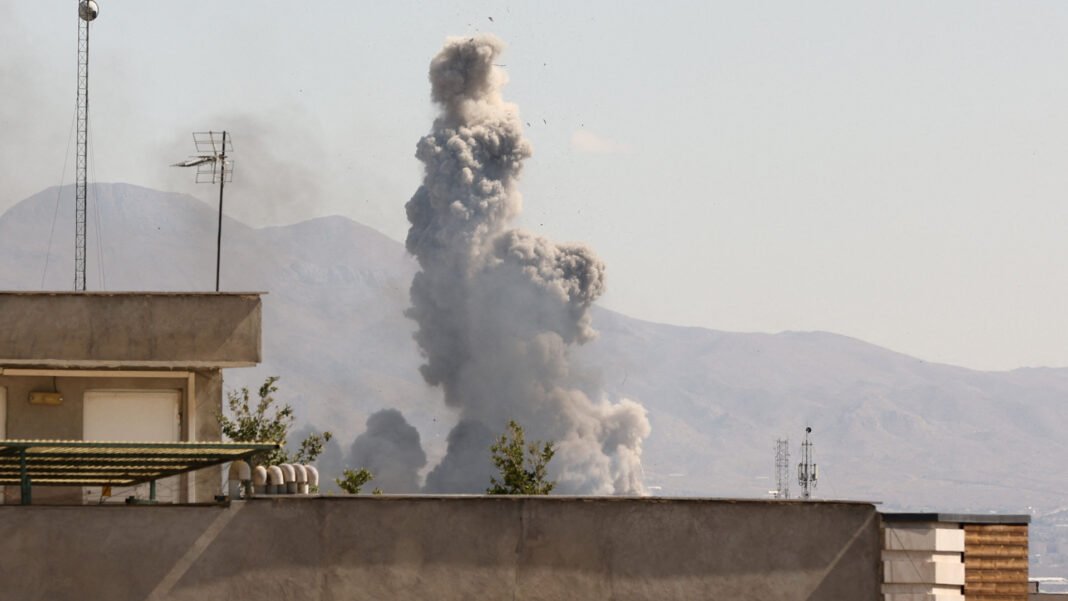
The recent surge in hostilities involving the United states,Israel,and Iran represents a pivotal moment with significant implications for stability across the Gulf region. Initial military actions by US and Israeli forces have inflicted notable losses within Iranian leadership circles, including high-ranking officials close to Supreme Leader Ali Khamenei.In response,Iran has launched a series of missile and drone strikes targeting not only Israel but also several neighboring Gulf states.
Expanding Conflict Zones: Impact on Non-Combatant Gulf Nations
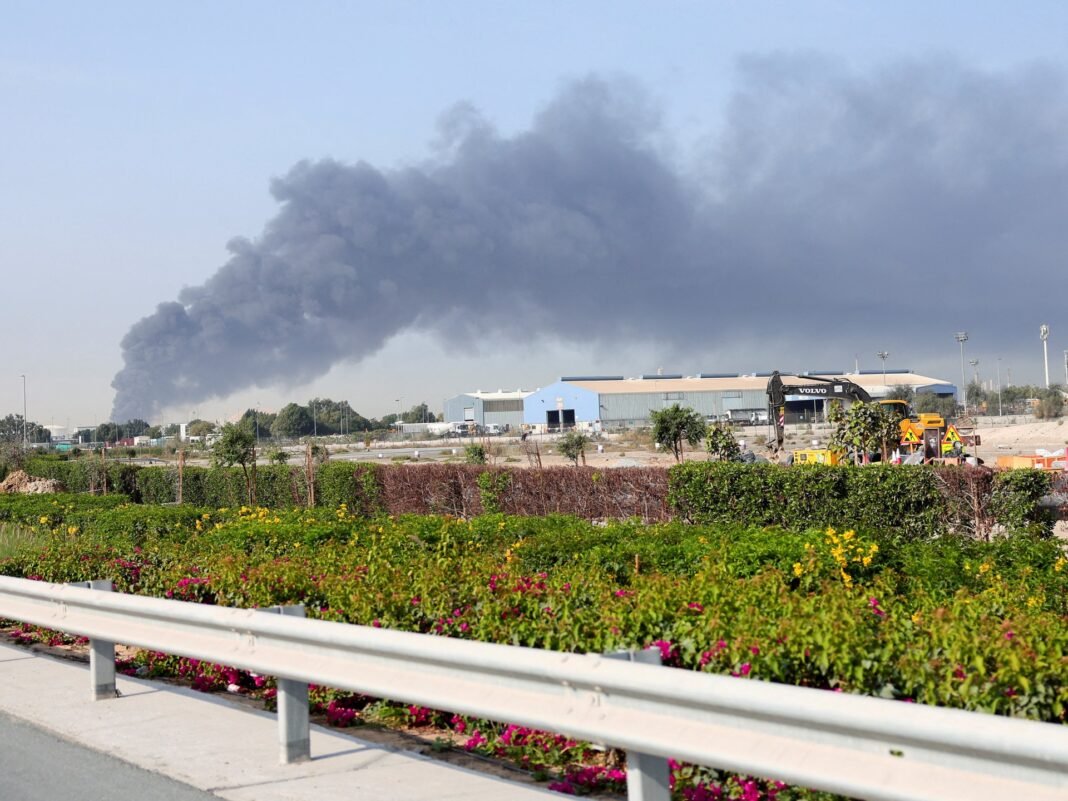
Despite not being directly engaged in offensive operations against Iran, countries such as saudi Arabia, Qatar, the United Arab Emirates, Bahrain, Kuwait, and oman have all been subjected to Iranian attacks. These assaults have targeted a variety of sites ranging from military bases to civilian infrastructure like airports and commercial centers. This widening scope signals an alarming escalation that threatens to destabilize an already fragile regional order.
Transforming Security Approaches Across Gulf States
the ongoing conflict is prompting a reassessment of defense strategies throughout the gulf Cooperation Council (GCC) member states. Historically dependent on American military presence as a deterrent against Iranian aggression-coordinated through collective security frameworks-the region now confronts unprecedented pressure to adapt its security paradigms. The delicate equilibrium maintained by managing rivalry without triggering full-scale war is increasingly under threat.
Shifting diplomatic Landscapes Amid Heightened Hostilities
Before this outbreak of violence, diplomatic relations within the gulf had cautiously progressed toward dialog rather than confrontation. Noteworthy developments included China-facilitated rapprochement between Saudi Arabia and Iran in 2023; pragmatic engagement efforts led by the UAE; Oman’s consistent role as mediator; and Qatar’s emphasis on diplomacy as a risk mitigation tool.
However, sustained conflict risks unraveling these fragile diplomatic achievements by intensifying demands from global powers-especially Washington-for clearer alignments. Public opinion across GCC nations may increasingly favor decisive national stances over ambiguous neutrality. Such polarization could undermine strategic ambiguity that once allowed regional actors adaptability amid complex alliances.
Economic fallout: Navigating Risks at Vital Maritime Gateways
The economic consequences of prolonged instability would be severe given how critical maritime chokepoints like the Strait of Hormuz are for global energy flows-over 21% of worldwide oil exports passed through this narrow corridor in early 2024 according to recent trade analyses.even minor disruptions could provoke sharp spikes beyond current price volatility driven by geopolitical uncertainty.
- Immediate effects: Rising oil prices might temporarily boost revenues for exporting countries;
- sustained challenges: Ongoing unrest can deter foreign investment essential for aspiring diversification projects such as Saudi Arabia’s vision 2030 or UAE’s renewable energy initiatives while increasing borrowing costs;
- Diminished influence: Key Asian importers may accelerate shifts toward alternative suppliers or renewables to reduce dependence on volatile Gulf sources over time.
Divergent GCC Responses Reflect Varied Threat Perceptions
The conflict exposes differing threat assessments among GCC members that could either fracture their alliance or strengthen cooperation:
- Mediation-oriented actors: oman and Qatar continue prioritizing dialogue with Tehran aiming at tension reduction;
- Aggressive deterrence proponents: Saudi Arabia and UAE advocate robust defense postures while cautiously engaging in de-escalation efforts;
- Cautious intermediaries: kuwait maintains balanced positions avoiding overt alignment with any side;
This divergence means escalating violence might deepen internal divisions or foster enhanced collaboration around missile defense systems, intelligence sharing networks, and maritime security protocols depending on whether member states choose competition or unity during crisis management.
Broad Geopolitical Shifts Accelerate Amid Conflict Dynamics
- the rise of China’s role: With strategic interests tied to stable energy supplies via Belt & road initiatives connecting Asia with Middle Eastern markets, Beijing is poised to increase diplomatic involvement positioning itself as an indispensable mediator;
- Moscow’s strategic maneuvering: Russia may capitalize on turmoil through increased arms sales while exploiting fissures within regional alliances;
- Evolving US-Gulf ties: As American focus possibly shifts due to competing priorities globally-including Indo-Pacific commitments-the traditional US security umbrella over GCC countries risks becoming conditional rather than absolute.
This fosters “conditional alignment,” where military cooperation continues alongside diversified economic partnerships aimed at reducing dependency vulnerabilities.
Cultural Transformations Influencing Strategic decisions
Beyond military maneuvers or economic calculations lies a profound shift shaping how societies across the Gulf envision their futures amid uncertainty. For decades these nations balanced modernization ambitions carefully against maintaining internal stability through nuanced geopolitical navigation.
A protracted regional war threatens this balance forcing tough choices between securing safety imperatives versus sustaining developmental momentum; balancing flexible diplomacy against alliance obligations; reconciling aspirations for peace alongside proximity to persistent conflict zones.
This critical juncture compels reevaluation of long-standing assumptions underpinning governance models stretching from Riyadh through Muscat.
The Path Forward: Between Stability and Escalation
The unfolding crisis places the Gulf at a crossroads-either becoming entrenched indefinitely as a frontline battleground caught up in great power rivalries or emerging as an arena capable of leveraging accumulated diplomatic capital toward de-escalation combined with strengthened defensive resilience.
No matter which direction prevails,the consequences will extend far beyond immediate security concerns influencing political structures throughout this vital region potentially shaping trajectories spanning decades into future generations.