Escalating Humanitarian Emergency in Gaza Amid NGO Limitations and Sealed Borders
As tensions intensify between Israel, the United States, and iran, residents of the Gaza Strip are gripped by fear and uncertainty. Past experiences with border closures have led to severe shortages, prompting many Palestinians to rush into markets to stockpile food and essential items. This surge in demand has caused prices to spike sharply even before official confirmation that all border crossings were shut down.
How NGO Restrictions Are Worsening Gaza’s Aid Crisis
The current emergency coincides with Israel’s enforcement of new registration rules affecting 37 non-governmental organizations (NGOs) operating within Gaza. Prominent groups such as Medical Aid for Palestinians UK, Humanity & Inclusion, ActionAid, CARE, and others have been ordered to halt their activities under these regulations.
Although a temporary ruling by the Israeli Supreme Court allowed these NGOs to continue operations while appeals are underway, significant obstacles remain. The blockade severely limits the entry of critical supplies and foreign staff needed for effective humanitarian work.
The Vital Contribution of NGOs in Meeting Basic Needs
Collectively, these organizations account for nearly half of all food distribution efforts inside Gaza and provide approximately 60% of medical care through mobile clinics and field hospitals. Their restricted presence threatens widespread hunger as food deliveries stall and many livelihoods vanish almost overnight.
border Closures: A Strategy Beyond Security Concerns
The sealing of crossings is widely perceived not merely as a security measure but as an intentional tactic imposing collective punishment on Palestinian civilians. Even if legal challenges overturn bans on NGOs, authorities appear poised to employ alternative means aimed at expelling international aid providers from the region.
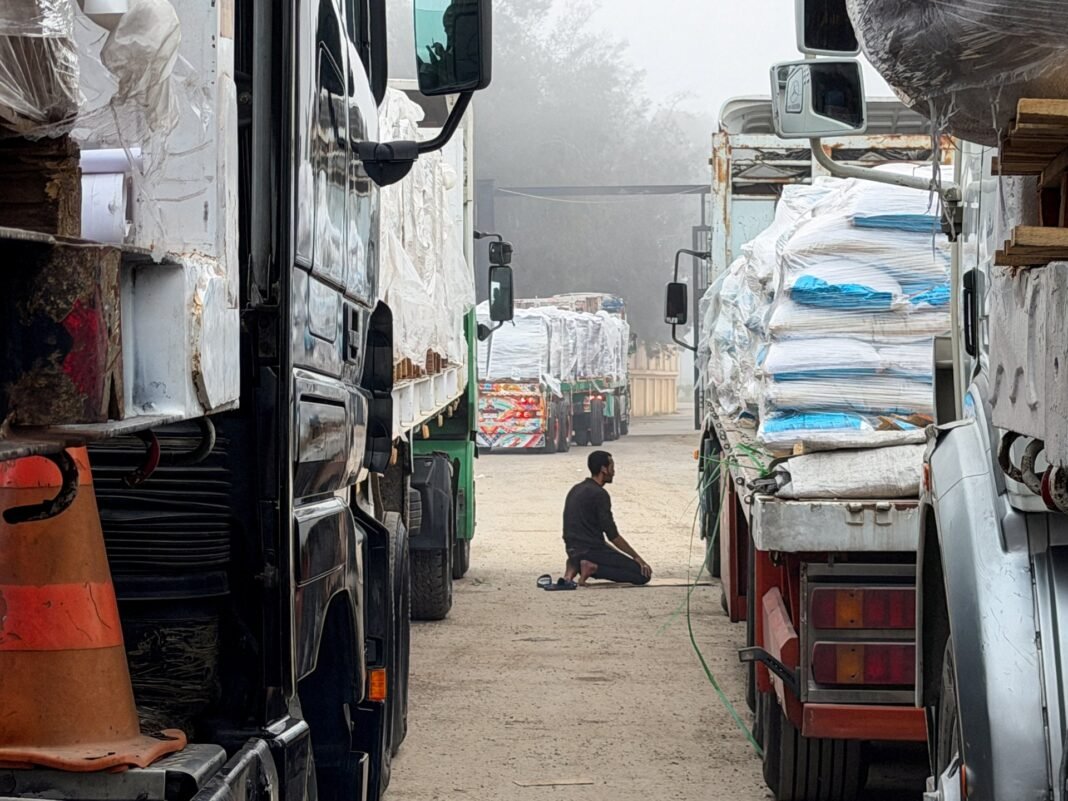
A recent example involves World Central Kitchen-a group currently not banned-that may be forced to suspend its operations after Israeli officials blocked most supply trucks from entering Gaza. This institution prepares up to 900,000 meals daily across numerous kitchens throughout the territory; without access to resources like fuel or ingredients, sustaining this service becomes impossible.
Rising Food Insecurity Amid Prolonged Conflict Dynamics
If hostilities persist over coming months due to escalating regional tensions involving Iran’s influence, hundreds of thousands face increasing risks of starvation amid shrinking humanitarian assistance networks.
The Mounting Pressure on UNRWA’s Lifeline Services
The United Nations Relief and Works Agency (UNRWA), established in 1949 as a primary support system for Palestinian refugees worldwide-including emergency relief-has encountered severe operational restrictions imposed by Israel. Its activities inside Gaza have been suspended while crucial supplies remain blocked at border points.
This pressure has resulted in significant budget cuts leading recently to layoffs affecting over 600 employees alongside average salary reductions nearing 20%. These austerity measures exacerbate already dire conditions where unemployment rates exceed an alarming 80% across much of Gaza’s population.
Eroding Employment Linked To International Aid Programs
Bans targeting NGOs jeopardize thousands more jobs during a period when economic survival is precarious at best. Many families rely directly on assistance programs or employment opportunities provided by international agencies-as a notable example workers engaged temporarily driving vehicles or distributing aid materials through these groups face sudden job losses impacting household incomes drastically.
Deteriorated Infrastructure Deepens Civilian Hardship
- After more than two years marked by intensified conflict described by observers as genocidal warfare against Palestinians in Gaza,
- Crumbling hospitals lie unusable;
- Schools including universities stand destroyed;
- main roads are blocked or damaged beyond repair;
- Sewage systems contaminate water sources;
- Cleansing potable water scarcity worsens health crises;
- Nutritional deficiencies spread amid collapsing supply chains;
- Lack of electricity grids combined with dismantled solar panels leaves tens of thousands dependent on inadequate makeshift shelters vulnerable against extreme weather fluctuations;
- Crops fail due poisoned soil contamination exacerbated by ongoing bombardments;
- Lackluster international support further isolates vulnerable populations facing existential threats daily.
A purposeful Campaign Driving Displacement Through Deprivation
“The overarching aim appears focused on compelling Palestinians toward despair-driven displacement-effectively achieving ethnic cleansing via coercive deprivation rather than direct expulsion.”
This approach employs systematic deprivation designed both physically and psychologically-to erode hope until people feel forced voluntarily abandon their ancestral homes under unbearable externally imposed conditions.
An Alarming Absence Of Robust International Intervention Against Humanitarian Suppression
The majority of targeted organizations originate from western nations; however public condemnation remains limited while diplomatic pressure against Israel’s undermining global humanitarian efforts within occupied territories is minimal.
“Collective punishment flagrantly violates basic principles enshrined within international law.”
- Nations hold responsibilities extending beyond verbal criticism-they must enact enforceable sanctions addressing violations effectively;
- Lacking decisive action leaves Gazans exposed indefinitely;
- Sustained brutality continues unchecked under occupation policies restricting basic human rights.